Gurugram vs Mumbai Ultra-Luxury Homes 2026: Where to Buy
On an ₹18 crore budget, should HNIs and NRIs buy in Gurugram or Mumbai? Real per-sq-ft numbers, rental yields, and tax math to decide.

Last month a client of mine, a promoter who'd just exited a mid-sized pharma distribution business, sat across from me with a genuine problem. He had roughly ₹22 crore to park in a primary residence plus one trophy asset, and he couldn't decide between a Golf Course Road penthouse in Gurugram and a sea-facing apartment in Worli. His broker in Mumbai was pushing "legacy" and "the address speaks for itself." His Gurugram contact was pushing "you get twice the carpet area and a wellness deck." Both were right. Both were selling.
Here's the number that surprised him: in Mumbai's ultra-luxury pockets, buyers routinely pay ₹1.2 lakh to ₹2 lakh per square foot of carpet area, while comparable amenity-loaded projects in Gurugram's premium corridors trade closer to ₹35,000 to ₹65,000 per square foot. That's not a small gap. On the same budget, the difference in usable space, private lift lobbies, and clubhouse acreage is dramatic. But price per square foot is a trap if you read it alone.
This post is written for HNIs and NRIs weighing Gurugram ultra-luxury housing 2026 against the Mumbai market. I'll give you the real numbers, a worked comparison on identical budgets, the tax and rental-yield math that changes the answer, and a checklist you can hand to your lawyer or channel partner before you sign anything.
Key Takeaways
- Mumbai buys you scarcity and liquidity; Gurugram buys you space, amenities, and higher rental yield on premium stock.
- On a ₹15–25 crore budget, Gurugram delivers roughly 2x carpet area versus South Mumbai for the same outlay.
- Rental yields on ultra-luxury run 2.5–3.5% in Gurugram versus 1.5–2.2% in Mumbai — meaningful if the asset isn't a pure primary residence.
- NRIs must budget for TDS at 20%+ on resale gains and file Form 15CA/15CB for repatriation; factor this into exit math early.
- Infrastructure timelines matter more in Gurugram — the Dwarka Expressway and metro extensions are the real value drivers, not the marble in the lobby.
- Never buy on brochure carpet area. Verify RERA-registered area, OC status, and maintenance corpus before token.
Why does the same budget behave so differently in Gurugram and Mumbai?
Mumbai's ultra-luxury market is fundamentally supply-constrained. There's no more land in Worli, Malabar Hill, or Bandra West. What you're paying for is a fixed, non-replicable address. When you buy a full-floor apartment in a Lodha or Oberoi tower off Altamount Road, you're buying scarcity as an asset class. That scarcity holds value in downturns and gives you liquidity when you exit, because there's always another HNI who wants that exact pin code.
Gurugram works on a different logic. The luxury story here is amenity density and vertical living designed around lifestyle. Developers like DLF, M3M, Central Park, and Smartworld are competing on clubhouse size, private theatres, wellness zones, and concierge services rather than pure location scarcity. Land is still available in the newer corridors, which keeps per-square-foot rates lower but also means supply keeps coming.
The practical implication: Mumbai protects capital better in the short term, Gurugram gives you more lifestyle and often better yield, but you must be selective because not every "luxury" project holds premium. I've seen Gurugram projects lose their sheen within five years because three newer, shinier towers came up next door.
A worked comparison: ₹18 crore in Gurugram vs Mumbai
Let me make this concrete. Take a real buyer profile: an NRI family based in Dubai, budget of ₹18 crore for a primary-plus-investment residence they'll use 3–4 months a year and rent the rest. Here's what ₹18 crore actually buys in each city as of the 2026 pipeline.
| Criteria | Gurugram (Golf Course Rd / DLF 5) | Mumbai (Worli / Lower Parel) |
|---|---|---|
| Approx. price/sq ft (carpet) | ₹42,000–₹58,000 | ₹1,05,000–₹1,60,000 |
| Usable carpet area at ₹18 Cr | ~3,400–4,000 sq ft (4 BHK) | ~1,300–1,600 sq ft (3 BHK) |
| Clubhouse / amenity area | 60,000–1,50,000 sq ft typical | 15,000–40,000 sq ft typical |
| Expected gross rental yield | 2.8–3.5% | 1.6–2.2% |
| Approx. annual rent | ₹50–63 lakh | ₹29–40 lakh |
| Capital appreciation (5-yr trend) | Higher variance, strong in infra corridors | Steady, low volatility |
| Liquidity on resale | Moderate; project-dependent | High; address-driven |
Read the table carefully. The Gurugram apartment gives this family roughly 2.5x the living space and around ₹20 lakh more in annual rent. Over a ten-year hold, that rental gap alone is more than ₹2 crore before appreciation. But the Mumbai flat is far easier to sell in a hurry and its value barely wobbles when the market softens.
So which wins? For this Dubai family who wanted space for kids and parents plus rental income, Gurugram was the clear answer. For a different client, a Mumbai-based industrialist who wanted a legacy asset his family would never sell, Worli made more sense. The budget was identical; the answer was opposite. That's the entire point.
Common Mistake: Buyers compare "super built-up" area in Gurugram against "carpet" area in Mumbai and conclude Gurugram is cheaper than it really is. Always normalise to RERA carpet area before comparing per-square-foot rates. A Gurugram loading factor of 40–50% can quietly erase a third of your apparent space advantage.
What actually drives Gurugram ultra-luxury value in 2026?
In Gurugram, infrastructure is the real appreciation engine, not the amenities. The amenities sell the flat; the roads and metro make it worth more later. Three things matter most for 2026 buyers:
- Dwarka Expressway: Now operational, it has already lifted values across New Gurugram and the SPR belt. Projects with direct expressway connectivity are commanding 15–25% premiums over comparable stock a few kilometres away.
- Metro extension: The proposed Old Gurugram metro corridor changes the calculus for areas that were previously car-dependent. Buy ahead of the line being commissioned, not after.
- GCC-led office demand: Global Capability Centres are absorbing enormous office space around Cyber City and Golf Course Extension Road, which directly feeds the rental market for premium homes.
I've written before about how GCCs are driving India's office boom, and that trend is the single biggest reason Gurugram luxury rentals stay strong. The senior expat and Indian executive population these centres bring in needs exactly the kind of large, secure, amenity-rich homes these towers offer. If you want to understand how infra timing affects entry price, my breakdown on how metro flyovers lift NCR property values is worth ten minutes.
Are wellness and lifestyle amenities worth the premium?
This is where Gurugram developers earn their margins and where buyers overpay most often. A 1,50,000 sq ft clubhouse with a temperature-controlled pool, squash courts, a spa, and a private theatre sounds fantastic. The question is whether you'll use it and whether the maintenance corpus is funded to keep it running in year eight.
Here's the practitioner's truth: amenities add resale appeal only if the RWA maintains them well. I've seen ₹15,000 per month maintenance charges balloon to ₹28,000 when the developer handed over an underfunded corpus and the pool needed re-tiling. Ask for the sinking fund balance before you fall in love with the spa.
I dug into whether these facilities justify their cost in a separate piece on wellness amenities in NCR homes and whether they're worth the premium. Short version: gyms and pools are table stakes; genuinely differentiated wellness (medically staffed clinics, air-purified towers) can justify a premium, but a padel court that nobody books does not.
The NRI tax and repatriation reality nobody explains upfront
If you're buying from abroad, the tax structure will materially change your returns, and most brokers won't walk you through it because it's not their job. Let me give you the sequence a well-advised NRI actually follows.
- Funding the purchase: Use your NRE or NRO account. NRE funds are freely repatriable later; NRO funds have annual repatriation limits of USD 1 million. This decision at purchase determines how easily you can take money out at exit, so plan it before you transfer a single rupee.
- TDS on purchase: When you buy from a resident seller, deduct 1% TDS if the property exceeds ₹50 lakh. Simple.
- TDS on your eventual sale: This is the painful one. When you as an NRI sell, the buyer must deduct TDS at roughly 20% (plus surcharge and cess) on long-term gains, or up to 30% on short-term gains. You can apply for a lower-deduction certificate under Section 197, but that takes weeks and needs paperwork.
- Repatriating proceeds: You'll need Form 15CA and a chartered accountant's Form 15CB before your bank releases funds overseas.
- Saving on gains: Reinvestment under Sections 54 and 54EC (capital gains bonds) can shelter a chunk of the gain. Time these to the sale.
For the full mechanics of minimising your exit tax bill, read our detailed guide on saving capital gains tax on property sales in India. Get your CA involved before you sign the sale agreement, not after — the lower-deduction certificate cannot be applied retroactively.
Pro Tip: If you're an NRI who plans to eventually repatriate, insist on funding the purchase entirely through your NRE account even if NRO is more convenient in the moment. The difference at exit is the ability to move the full proceeds out versus being capped at USD 1 million a year. I've watched a family sit on ₹6 crore they couldn't move for two years because of this single oversight.
Due diligence checklist before you pay a token
Whether Gurugram or Mumbai, ultra-luxury purchases go wrong in the details. Hand this list to your lawyer and channel partner before any money changes hands:
- RERA registration: Verify the project and phase on the state RERA portal. Match the registered carpet area against the brochure.
- Occupancy Certificate (OC): For ready properties, no OC means no legal occupation. Do not accept "OC applied for."
- Title chain: A 30-year title search, especially in older Mumbai buildings where redevelopment history complicates ownership.
- Maintenance corpus and sinking fund: Ask for the exact handed-over balance in writing.
- Encumbrance certificate: Confirm no bank lien or pending litigation.
- Society NOC: For resale in Mumbai co-operative societies, the NOC and share certificate transfer are non-negotiable.
- GST applicability: Under-construction property attracts GST (currently 5% without ITC for non-affordable); ready-to-move with OC does not. This can swing your cost by ₹40–90 lakh on an ₹18 crore deal.
- Parking and amenity allocation: Get covered car parks and club membership explicitly in the agreement, not verbally promised.
If you'd rather have a curated shortlist that's already been screened on these points, our team at eDarpan Properties works with both NCR and Mumbai inventory and can filter for RERA-clean, OC-ready stock. You can browse current properties for sale in India or explore rental options if you want to test-live a corridor before committing capital.
How should you actually decide between the two cities?
Strip away the sales patter and it comes down to your primary intent. Use this decision frame:
- If it's a legacy primary residence you'll hold for decades: Mumbai's scarcity and liquidity win. The address is the asset.
- If you want space, family amenities, and rental income: Gurugram delivers more usable value and higher yield.
- If capital preservation with low volatility matters most: Mumbai. Its ultra-luxury values are famously sticky on the downside.
- If you're betting on appreciation from infrastructure: Gurugram's expressway and metro corridors offer more upside, with more risk.
- If you're an NRI optimising for repatriable yield: Gurugram's rental math usually wins, provided you structure funding through NRE and pick an infra-connected project.
For most NRI and HNI buyers I advise who aren't buying purely for the Malabar Hill prestige, Gurugram ultra-luxury housing 2026 offers the stronger blend of space, yield, and appreciation upside. The caveat is selectivity: in Mumbai almost any Worli address holds value, whereas in Gurugram the specific project and its infra connectivity make or break the return. Related reading if you're comparing NCR sub-markets: our analysis of Noida prices up 111% since 2019 shows how quickly the right corridor can move.
Frequently asked questions
Is Gurugram cheaper than Mumbai for luxury homes?
Yes, significantly. Comparable amenity-rich luxury stock in Gurugram trades at roughly ₹42,000–₹58,000 per square foot versus ₹1.05–1.6 lakh in South Mumbai. On the same budget you get roughly 2 to 2.5 times the carpet area in Gurugram, though Mumbai offers stronger liquidity and lower price volatility.
Which city gives better rental yield on ultra-luxury property?
Gurugram typically delivers 2.8–3.5% gross rental yield on premium homes versus 1.6–2.2% in Mumbai's ultra-luxury segment. GCC-driven executive demand around Cyber City and Golf Course Extension keeps Gurugram rentals healthy, which matters if the property isn't a pure primary residence.
Can an NRI buy luxury residential property in India freely?
Yes. NRIs can freely purchase residential and commercial property in India without RBI permission, funding it through NRE or NRO accounts. They cannot buy agricultural land, plantation property, or farmhouses without specific approval. Structuring the purchase through an NRE account makes eventual repatriation of sale proceeds far simpler.
What TDS applies when an NRI sells property in India?
Buyers must deduct TDS at roughly 20% plus surcharge and cess on long-term capital gains, or up to 30% on short-term gains, when purchasing from an NRI. NRIs can apply for a lower-deduction certificate under Section 197 to reduce this, but the application must be filed and approved before the sale is executed.
Does GST apply to ultra-luxury home purchases?
GST applies only to under-construction property, currently at 5% without input tax credit for non-affordable homes. Ready-to-move-in property that already has its Occupancy Certificate attracts no GST. On an ₹18 crore deal, choosing a ready OC-certified home over an under-construction one can save you upwards of ₹40 lakh.
Which is safer for long-term capital preservation?
Mumbai's ultra-luxury market is more defensive because supply is fixed and prime addresses like Worli and Malabar Hill cannot be replicated. Values there hold steadier in downturns. Gurugram offers higher appreciation potential in infrastructure corridors but with more variance depending on the specific project and surrounding new supply.
How do I verify a Gurugram luxury project is a safe buy?
Check the project on the Haryana RERA portal, confirm the Occupancy Certificate for ready inventory, verify the maintenance corpus balance in writing, and confirm direct connectivity to the Dwarka Expressway or a planned metro line. Projects lacking infra connectivity or with underfunded corpus tend to lose premium fastest.
Where to go from here
The Gurugram versus Mumbai question doesn't have a universal answer, and anyone who gives you one without asking about your intent, hold period, and repatriation needs is selling, not advising. If your goal is space and yield, Gurugram ultra-luxury housing 2026 is likely your stronger bet; if it's a non-negotiable legacy address with maximum liquidity, Mumbai still commands the crown.
Whichever way you lean, the money is made or lost in the due diligence and the tax structuring, not the brochure. If you want a screened shortlist matched to your budget and intent, or help structuring an NRI purchase cleanly, get in touch with the eDarpan team. You can also learn more about how we work and browse verified listings through eDarpan Properties. Do the homework first, and let the numbers, not the marble lobby, make the call.
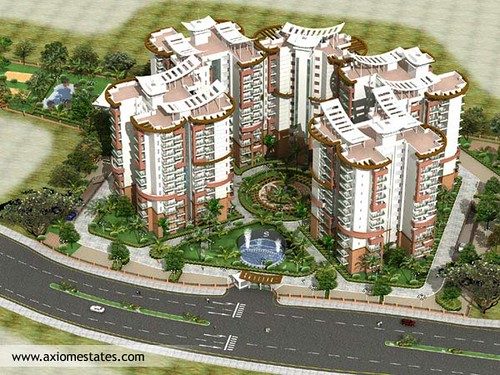
Image credit: Delhi Properties - Real Estate India - Unitech Grande by nancyarora2020 via flickr (BY-SA 2.0), sourced through Openverse.
Written by
Rajesh Tiwari
Real estate analyst covering property markets across Delhi NCR, Mumbai, and Bangalore. Rajesh tracks pricing trends, RERA compliance, and investment opportunities for residential and commercial buyers.
Looking for a technology partner?
From IT consulting to virtual office to custom software — eDarpan can help.
Continue reading
Festive Season Home Buying 2026: Deals Amid Unsold Inventory
With 10-11 lakh unsold units across metros, festive season home buying 2026 hands buyers real leverage. Here's your negotiation playbook.
Metro & Infra Projects Reshaping NCR Home Prices 2026
Learn how metro corridors, expressways, and Jewar Airport are reshaping NCR home prices in 2026, plus a framework to time your entry for maximum gains.
Greater Noida Property 2026: Is the Builder Rush a Buy Signal
Big builders are rushing to Greater Noida, but is it a buy signal or hype? A practical guide to reading the land rush before you invest in 2026.