GCCs Are Driving India's Office Boom: Where to Invest 2026
India crossed 1,700 GCCs, reshaping office demand. Here's where to invest in 2026 across Bengaluru, Hyderabad and NCR for 7.5-9% yields.

If you are trying to time an office property investment in India right now, you have probably run into a confusing signal. Residential prices in Noida and Gurgaon are up sharply, IT hiring headlines swing between layoffs and record campus offers, and yet Grade A office rents in Bengaluru's ORR and Hyderabad's HITEC City keep climbing. So which is it: is the office market cooling or heating up?
Here is the number that cuts through the noise. India crossed 1,700 Global Capability Centres in 2024, and the sector now occupies well over 200 million square feet of office space. These are the back offices, engineering hubs and analytics centres that global firms like Wells Fargo, Goldman Sachs, Target and Rolls-Royce run out of Indian cities. GCCs alone have been absorbing a large share of net office leasing in the top metros over the last few quarters, and they are not the tech-park tenants of a decade ago. They want fitted-out space, longer leases and specific building certifications, and that changes what an investor should buy.
This post breaks down how GCCs are reshaping GCC commercial real estate India demand across Bengaluru, Hyderabad and NCR, which micro-markets and asset types are positioned to gain through 2026, a worked example of the actual economics, and a checklist you can use before you sign anything. I have sat on both sides of these deals, advising SMB tenants on fit-outs and helping investors evaluate pre-leased assets, so this is the practical version, not the brochure version.
Key Takeaways
- GCCs favour Grade A, certified, campus-style buildings. Grade B stock in the same micro-market often trades at a 25–35% rent discount and much longer vacancy.
- Hyderabad and Bengaluru lead on GCC absorption; NCR is the value play, with Gurgaon's Golf Course Extension and Noida Expressway catching up fast.
- Pre-leased office assets with a GCC tenant on a 9-year lease typically deliver 7.5–9% rental yields, far above the 2.5–3.5% on residential.
- Watch the WALE (weighted average lease expiry), the tenant's credit, and whether the building meets ESG and IGBC/LEED norms most GCCs now mandate.
- Fractional ownership and REITs let you enter GCC-grade offices from ₹10–25 lakh instead of buying a whole floor.
- Factor GST at 18% on commercial rent and the loss of certain residential tax breaks when you model returns.
Why are GCCs suddenly driving office demand in India?
A Global Capability Centre is what used to be called a "captive" — an offshore unit that a multinational owns and runs itself, rather than outsourcing to a third party like TCS or Accenture. The old captives did routine back-office work. Today's GCCs run product engineering, AI research, cybersecurity operations and finance for the parent company. That shift matters for real estate because a firm building long-term intellectual capital does not want to hop between short leases in a mediocre building.
Three structural forces are behind the boom. First, the talent math: India produces a huge volume of engineering and finance graduates at a fraction of Western salaries, and cities like Bengaluru and Hyderabad have deep, mobile talent pools. Second, cost arbitrage on the space itself — a Grade A seat in Hyderabad costs a global firm a fraction of what the same seat costs in London or Singapore. Third, the maturity of the ecosystem. When one bank sets up a 5,000-seat centre and it works, its competitors follow within 18 months.
The practical result is large, sticky, high-quality lease commitments. A GCC signing 300,000 sq ft on a 9-year lease with a built-in escalation of 15% every three years is a very different tenant profile from a startup that might vanish. This is why institutional money is chasing pre-leased GCC assets, and why the office segment is decoupling from the ups and downs of the domestic IT services headlines.
Which cities and micro-markets are best placed for 2026?
Not all "IT cities" are equal, and within a city the micro-market decides your outcome. Here is how the big three stack up as of the current cycle.
Bengaluru: deepest talent, tightest supply
Bengaluru remains the single largest GCC hub in the country. Outer Ring Road (ORR) from Marathahalli to Sarjapur is the premium corridor, with very low vacancy and rents that command a stiff premium. Whitefield and North Bengaluru around the airport (Devanahalli) are the growth stories, helped by metro expansion. The catch for investors: entry prices are the highest in India, so yields compress.
Hyderabad: the aggressive challenger
Hyderabad has been the standout for new GCC setups, driven by proactive state policy, cheaper power and a clean regulatory experience. HITEC City, Gachibowli and the Financial District are where the demand concentrates. Because new supply has kept pace, you can still find pre-leased assets at slightly better entry yields than Bengaluru.
NCR: the value and diversification play
NCR is often underrated in the GCC conversation because it is associated with BFSI back-offices rather than deep engineering. But Gurgaon's Golf Course Extension Road, Cyber City and the Noida Expressway are absorbing GCC and hybrid demand steadily, and infrastructure is a genuine tailwind here. If you want to understand how metro and expressway projects move commercial values, our breakdown on how infrastructure lifts NCR property values is worth reading alongside this.
| City / Corridor | Typical Grade A rent (₹/sq ft/month) | Vacancy trend | Indicative pre-leased yield | Best for |
|---|---|---|---|---|
| Bengaluru ORR | ₹95–130 | Very low, tightening | 7–7.75% | Capital appreciation, deep tenant demand |
| Hyderabad HITEC / Financial District | ₹65–85 | Stable, new supply absorbed | 7.75–8.75% | Balanced yield + growth |
| Gurgaon Golf Course Ext / Cyber City | ₹85–150 | Mixed by building grade | 7.5–8.5% | BFSI GCCs, diversification |
| Noida Expressway | ₹55–75 | Improving | 8–9% | Value entry, higher yield |
| Pune Hinjewadi / Kharadi | ₹70–95 | Stable | 7.5–8.5% | Auto/engineering GCCs |
These figures move with each leasing cycle, so treat them as a directional guide and verify current numbers for a specific building before you commit. When you shortlist properties, our team can pull live leasing and vacancy data for a corridor — see eDarpan Properties for the current listings and advisory.
What asset types benefit most from GCC demand?
The headline is simple: Grade A wins, and the gap over Grade B is widening. GCCs of large multinationals have global real estate and ESG mandates. They cannot occupy a building that lacks green certification, backup power redundancy, proper fire and life-safety systems, and clean common areas. That single fact splits the market.
If you are choosing between a shiny new Grade A tower and a cheaper Grade B building nearby, read our detailed comparison on Grade A vs Grade B office space in India before deciding. The short version: Grade B may look like a bargain on entry price, but longer vacancy and weaker tenants can erase the yield advantage.
The asset types that stand to gain:
- Certified Grade A office campuses (IGBC/LEED Gold or Platinum) in established corridors. These are the core GCC targets.
- Pre-leased floors with a strong-credit GCC tenant and a long WALE. Lower risk, predictable income.
- Fit-out-ready / managed office space. Many GCCs now want plug-and-play. Managed operators (like the flexible-space brands) lease large floor plates and sub-let, and the underlying asset benefits.
- REIT units and fractional ownership platforms. If you cannot deploy ₹5–15 crore for a floor, these give exposure to GCC-tenanted Grade A assets from a much smaller ticket.
Pro Tip: Do not just look at the tenant's brand — look at which entity signed the lease. A lease signed by the Indian subsidiary with a corporate guarantee from the global parent is far stronger than one signed by a thinly capitalised local SPV. Ask for the lease deed and the guarantee structure before you value the asset. I have seen investors pay a premium for a "Fortune 500 tenant" only to find the signing entity had no meaningful balance sheet.
A worked example: the real economics of a pre-leased GCC office
Let me put numbers on it, because the yield story only makes sense when you model it properly.
Suppose you are looking at a 4,000 sq ft unit on the Noida Expressway in a Grade A building, offered at ₹9,000/sq ft, so a purchase price of ₹3.6 crore. It comes pre-leased to a mid-sized analytics GCC at ₹65/sq ft/month.
- Monthly rent: 4,000 × ₹65 = ₹2,60,000
- Annual rent: ₹31,20,000
- Gross yield on cost: 31.2L ÷ 3.6Cr = 8.67%
Now the deductions people forget:
- GST: Commercial rent attracts 18% GST. The tenant pays it, but if you are not GST-registered you cannot claim input credit, and structuring matters. Register and account for it correctly.
- Property tax and maintenance shortfall: Usually passed to the tenant in a triple-net lease, but confirm this in the deed.
- Brokerage and stamp duty on purchase: Stamp duty in UP is roughly 5–7% plus registration. Budget around ₹20–25 lakh on this deal.
Assume a 15% rent escalation every three years. By year four your rent is ₹74.75/sq ft, pushing annual income above ₹35.8 lakh. If the corridor sees rents move up and the asset re-rates to a 7.75% cap rate, the capital value rises to roughly ₹4.6 crore on that higher rent. That is a blended return combining ~8.5% annual income plus meaningful appreciation over a 5–7 year hold.
Compare that with a residential flat in the same area yielding 2.8% on rent. The GCC office wins on income by a wide margin. The trade-offs are higher ticket size, GST compliance, and the risk that sits with a single tenant — which is exactly why WALE and tenant credit matter so much. And when you eventually sell, plan the tax carefully; our guide on saving capital gains tax on property sale in India covers indexation and reinvestment options that apply to commercial assets too.
How do I evaluate a GCC-tenanted office before buying? A step-by-step checklist
Whether you are buying a floor directly or briefing an advisor, run through this before you commit funds.
- Verify the tenant and signing entity. Pull the lease deed. Confirm the exact legal entity, the parent guarantee, security deposit (typically 6–12 months' rent), and lock-in period.
- Check the WALE. A weighted average lease expiry of 5+ years is comfortable. Under 3 years and you are effectively taking re-leasing risk soon.
- Confirm escalation and lease structure. Look for 15% every 3 years or ~5% annually, and confirm whether it is a triple-net (tenant pays taxes, insurance, maintenance) or gross lease.
- Inspect building certifications. IGBC/LEED rating, occupancy certificate, fire NOC, and power backup capacity. GCCs will not renew in a non-compliant building.
- Study the micro-market vacancy. High corridor vacancy means weak re-leasing power if the tenant exits. Get quarterly absorption data.
- Model the full cost stack. Stamp duty, GST, brokerage, and any interior handback obligations at lease end.
- Assess exit liquidity. Pre-leased Grade A with a strong tenant sells; a half-vacant Grade B floor can sit for a year.
- Legal due diligence. Clear title, no encumbrances, RERA registration for the project where applicable.
If deploying a full floor is out of reach, remember the fractional and REIT routes give you GCC-grade exposure from ₹10–25 lakh with the due diligence done institutionally. You can explore available commercial and residential properties for sale in India or discuss a fractional strategy with our advisory team.
Where does technology fit into a GCC's location decision?
This is the part investors underweight. A GCC does not just need square footage. It needs reliable connectivity, cloud infrastructure, secure collaboration tools and, increasingly, AI-enabled operations. Buildings and business parks that come pre-wired for this rent faster and hold tenants longer.
For the SMB vendors and service firms that cluster around these hubs, the opportunity is equally real. If you run a company serving GCCs — or you are setting one up — getting your own tech stack right matters. That means proper cloud migration and managed services so you are not tied to fragile on-prem servers, licensed productivity suites through Google Workspace or Microsoft 365, and modern customer engagement via the WhatsApp Business API or AI voicebot for support desks. eDarpan's IT consulting practice helps businesses in exactly these corridors get set up without over-spending.
Common Mistake: Founders opening a new office in Bengaluru or Gurgaon often rush into a full lease before they even have a registered business address in that state, then scramble on GST registration. Use a virtual office address for GST and company registration to get compliant first, test the market, and only sign a physical lease once your headcount justifies it. It saves months of rent and a lot of dead capital.
What are the risks in the GCC commercial real estate India story?
No thesis is one-directional. Be honest about the risks in the GCC commercial real estate India play so you price them in.
- Single-tenant concentration. One GCC exiting a whole floor is a cliff-edge event. Diversify across assets or use REITs.
- Automation and AI reducing seat counts. Some routine roles will shrink. High-value engineering GCCs are more resilient than pure transaction-processing ones.
- Oversupply in a specific micro-market. A wave of new completions can soften rents temporarily. Track the supply pipeline, not just current vacancy.
- Currency and global cost pressure. If the rupee strengthens sharply or global cost-cutting bites, expansion can pause.
- Interest rate and cap rate risk. Higher rates raise cap rates and can compress capital values even if rent holds.
Frequently asked questions
Are GCCs really more stable tenants than IT services companies?
Generally yes, for engineering and R&D-focused GCCs. They build long-term IP and talent in India, sign longer leases and invest heavily in fit-outs, which makes them reluctant to relocate. Pure back-office GCCs carry more automation risk than product or analytics centres.
What yield can I expect from a pre-leased GCC office in India?
Prime pre-leased Grade A offices with strong-credit tenants typically deliver 7.5–9% gross rental yields, versus 2.5–3.5% on residential. Higher yields usually mean higher risk — weaker tenant, shorter WALE or a softer micro-market — so read the lease carefully.
Which Indian city is best for GCC office investment in 2026?
Bengaluru offers the deepest demand but the highest entry prices and lowest yields. Hyderabad gives the best balance of growth and yield. NCR, especially the Noida Expressway and Gurgaon extensions, offers higher yields and diversification for value-focused investors.
Can I invest in GCC office space without buying a whole floor?
Yes. Listed REITs and regulated fractional-ownership platforms let you invest in institutional-grade, GCC-tenanted offices from roughly ₹10–25 lakh, with professional management and diversification across multiple assets and tenants.
How does GST apply to commercial office rental income?
Commercial rent attracts 18% GST, which the tenant pays over and above the rent. As a landlord you must register for GST once your rental turnover crosses the threshold and file returns; structuring correctly lets business tenants claim input tax credit, which makes your space more attractive.
Is residential still worth it if office yields are higher?
Residential remains the appreciation and liquidity play, especially in fast-moving corridors — see our analysis of whether to buy Noida property now or wait. Offices win on income; residential can win on capital growth and ease of exit. Many investors hold both, and lifestyle-led homes with strong wellness amenities in NCR continue to command premiums.
How long does it take to close a pre-leased office deal in India?
Expect 45–90 days from term sheet to registration, allowing for title due diligence, lease verification, financing and stamp duty. A clean title and a well-documented lease can compress this; disputes or missing certifications can stretch it well beyond three months.
The bottom line: how to play GCC-driven office demand
The GCC wave is one of the more durable stories in Indian real estate right now, and it is quietly rewriting where the smart money goes. The GCC commercial real estate India opportunity rewards investors who buy certified Grade A assets in the right micro-market, insist on strong tenants and long leases, and model the full cost stack including GST and stamp duty rather than getting dazzled by a headline yield. Bengaluru for depth, Hyderabad for balance, NCR for value — pick based on your risk appetite and ticket size.
If you are weighing a specific office asset, setting up a new office and need to get compliant fast, or building the technology backbone to serve GCC clients, eDarpan works across both sides of this. Browse current rental office options and investment-grade properties, or talk to our advisors about a pre-leased deal or a virtual-office-first setup. You can reach the team through the contact page, and learn more about how we work. Get the fundamentals right, and GCC-driven office demand can be one of the steadier income engines in your portfolio through 2026 and beyond.
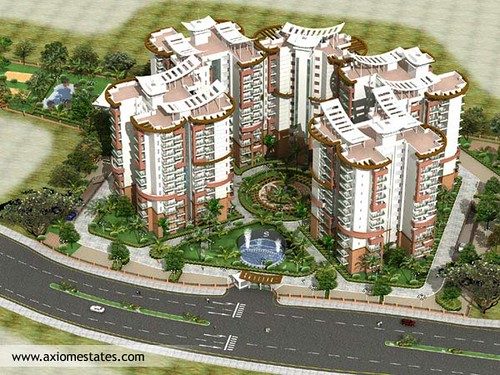
Image credit: Delhi Properties - Real Estate India - Unitech Grande by nancyarora2020 via flickr (BY-SA 2.0), sourced through Openverse.
Written by
Rajesh Tiwari
Real estate analyst covering property markets across Delhi NCR, Mumbai, and Bangalore. Rajesh tracks pricing trends, RERA compliance, and investment opportunities for residential and commercial buyers.
Looking for a technology partner?
From IT consulting to virtual office to custom software — eDarpan can help.
Continue reading
Festive Season Home Buying 2026: Deals Amid Unsold Inventory
With 10-11 lakh unsold units across metros, festive season home buying 2026 hands buyers real leverage. Here's your negotiation playbook.
Metro & Infra Projects Reshaping NCR Home Prices 2026
Learn how metro corridors, expressways, and Jewar Airport are reshaping NCR home prices in 2026, plus a framework to time your entry for maximum gains.
Greater Noida Property 2026: Is the Builder Rush a Buy Signal
Big builders are rushing to Greater Noida, but is it a buy signal or hype? A practical guide to reading the land rush before you invest in 2026.