Wellness Amenities in NCR Homes: Worth the Premium in 2026?
NCR developers charge ₹800–₹2,500/sq ft wellness premiums. Learn which amenities hold value, which ones rot, and how to avoid overpaying in 2026.
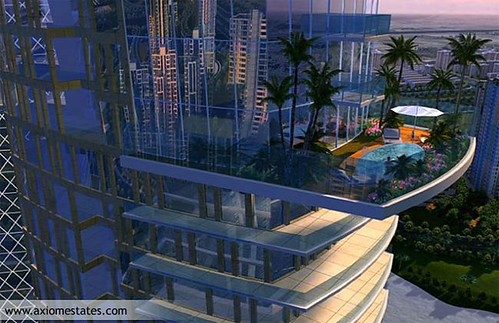
Here's a number that should make every NCR homebuyer pause before signing that booking form: developers in Gurgaon and Noida are now charging anywhere from ₹800 to ₹2,500 per square foot as a "wellness premium" over comparable non-wellness projects. On a 1,800 sq ft apartment, that's a ₹14 lakh to ₹45 lakh difference for the same carpet area, the same location, the same structural quality. The only thing you're paying extra for is a jogging track, an air purification claim, and a yoga deck you may use twice a year.
I've spent the last several years advising families and small business owners across Delhi-NCR on property decisions, and the question I get most often now is some version of: "The builder says this tower has better air quality and green certification. Is it actually worth the extra money, or is this just marketing?" It's a fair question, because the honest answer is: sometimes yes, often no, and it depends entirely on which amenities you're paying for and whether they'll survive to your resale.
This post breaks down how to evaluate wellness amenities NCR real estate developers are selling in 2026, which features hold genuine value, which ones quietly rot within five years, and how to run the math so you don't overpay. I'll walk you through a real case, give you a comparison framework, and hand you a checklist you can carry to your next site visit.
Key Takeaways
- Wellness premiums in NCR range from ₹800–₹2,500/sq ft in 2026 — always calculate the total rupee difference, not the per-square-foot number, before deciding.
- Passive features (open green space, tower orientation, low-density planning, natural cross-ventilation) hold resale value. Active gadgets (branded air purifiers, ozone pools, "smart" gyms) depreciate and often stop working.
- Ask for the maintenance cost sheet before buying — wellness amenities can push CAM charges to ₹6–₹12/sq ft/month, adding ₹1.3–₹2.6 lakh annually on a large flat.
- IGBC or GRIHA green certification is verifiable and adds resale credibility; vague "wellness living" branding does not.
- Check AQI data for the actual micro-location — indoor filtration means little if the neighbourhood sits next to a highway or industrial belt.
- Wellness features improve rental yield modestly (0.3–0.6%) in premium micro-markets but rarely justify the full premium on their own.
What counts as a "wellness amenity" in NCR projects — and what's just repackaged basics?
The term "wellness" has been stretched to cover almost anything a developer can put on a brochure. Before you evaluate the premium, you need to separate genuine wellness infrastructure from ordinary amenities that got a rebrand.
Genuine wellness features that materially affect health and comfort include:
- Low density and open green space — projects with under 250 units per acre and 60%+ open area. This is the single most valuable "wellness" feature because it's structural and can't be taken away.
- Tower orientation and cross-ventilation — apartments designed so bedrooms get morning light and living areas get airflow. Reduces AC dependency and genuinely improves indoor air.
- Central air filtration or MERV-rated HVAC — relevant in NCR given winter AQI regularly crossing 400. But verify the filter grade and, crucially, who pays to replace filters.
- Water treatment and quality monitoring — RO at source, hardness control, tested TDS levels.
- Dedicated fitness and recovery zones — a real gym with maintained equipment, a lap pool, physiotherapy or meditation spaces.
Then there's the fluff: "aroma landscaping," "vaastu-aligned wellness gardens," a single ozone-treated fountain, or a 200 sq ft "yoga corner" that a marketing team invented during a Friday brainstorm. These add cost to your ticket price and to your monthly maintenance without moving the needle on your actual wellbeing.
Pro Tip: When a sales executive lists 40+ "wellness amenities," ask them to mark which ones are already operational at their nearest completed project. The gap between the brochure and a delivered building is where you find the truth. I've walked clients through five-year-old "wellness townships" where the salt-water pool was drained, the air purification units were switched off to save power, and the meditation deck had become a storeroom.
How much premium are NCR developers actually charging in 2026?
Let me put real ranges on the table. These reflect what I'm seeing across Gurgaon (Golf Course Extension, Dwarka Expressway), Noida (Sectors 150, 128, 94), and Greater Noida West as of early 2026.
| Feature category | Typical premium (₹/sq ft) | Holds resale value? | Ongoing cost impact |
|---|---|---|---|
| Low density + large green area | ₹1,200–₹2,500 | Yes, strongly | Low to moderate | IGBC/GRIHA green certification | ₹400–₹900 | Yes | Neutral (lowers utility bills) |
| Central air filtration / HVAC | ₹600–₹1,400 | Partially | High (filter replacement, power) |
| Fitness/recovery zones (gym, pool, spa) | ₹300–₹800 | Weakly | High (staff, maintenance) |
| "Smart wellness" gadgets & branding | ₹200–₹600 | No | Moderate to high |
Notice the pattern. The features that hold value are the ones built into the land and the structure. The features that don't hold value are the ones that need electricity, staff, and consumables to keep functioning. A gym with ₹40 lakh of equipment is impressive at handover and depreciated to near-zero and half-broken by year six unless the RWA budgets aggressively for replacement.
If you're weighing whether NCR pricing itself makes sense right now, our earlier analysis on Noida home prices being up 111% since 2019 is worth reading alongside this — the wellness premium sits on top of an already-appreciated base.
A real worked example: running the wellness premium math
Let me walk through a case that mirrors dozens I've handled. Names and exact society details are generalised, but the numbers are representative.
A doctor couple in their late 30s were choosing between two 3BHK options on Dwarka Expressway, both around 1,850 sq ft carpet, same possession timeline:
- Option A (standard project): ₹1.65 crore all-in, CAM at ₹4.5/sq ft/month.
- Option B ("wellness township"): ₹1.98 crore all-in, CAM at ₹9/sq ft/month, marketed with central air filtration, a wellness clubhouse, spa, and 65% open green area.
The headline premium was ₹33 lakh. But that's not the full picture. Here's the actual difference over a realistic 10-year hold:
- Upfront premium: ₹33,00,000.
- Extra stamp duty and registration (roughly 6–7% in Haryana on the higher value): about ₹2,10,000 more.
- Extra CAM: (₹9 − ₹4.5) × 1,850 sq ft × 12 months = ₹99,900/year. Over 10 years, roughly ₹10,00,000, and that's before inflation on CAM rates.
- Home loan interest on the extra ₹33 lakh at ~8.6% over the loan tenure: this is the silent killer. On a 20-year loan, the interest cost on that incremental ₹33 lakh alone runs well past ₹35 lakh.
So the true 10-year cost of the "wellness" choice, factoring financing, was north of ₹50 lakh — not ₹33 lakh. That reframed the decision entirely.
Here's what we actually did. We separated the wellness features into "structural" (the 65% green area, low density, good orientation) and "operational" (spa, branded filtration, clubhouse). The structural features were genuinely superior and defensible on resale. So the couple negotiated. They pushed the developer on the ₹5 lakh of "smart wellness" line items, got a partial waiver on the first two years of the inflated CAM, and bought Option B at an effective ₹28 lakh premium instead of ₹33 lakh. Their reasoning was sound: they were paying primarily for the land planning and green space, which no future RWA decision could take away.
The lesson: the wellness premium is negotiable, and it should be evaluated as a total lifetime cost, not a sticker number. If you want a structured second opinion before committing, eDarpan's property advisory team can run this exact math for a shortlist you're considering.
Do wellness amenities actually hold or improve resale value?
This is where I have to be blunt, because it's where buyers lose the most money. Resale value in NCR is driven, in order, by: location and connectivity, developer reputation and build quality, project density and open space, then amenities. Wellness gadgets sit near the bottom.
What the resale market genuinely rewards:
- Verifiable green certification — an IGBC Platinum or GRIHA 4/5-star rating is a documented asset. Buyers and their agents recognise it, and it correlates with lower utility bills, which is a real selling point.
- Low density that stays low — a project that never crammed in extra towers commands a premium indefinitely.
- Air quality track record — societies that publish maintained AQI logs in NCR's brutal winters have a tangible edge.
What the resale market ignores or penalises:
- Branded amenity names that mean nothing to a resale buyer five years later.
- Amenities that have visibly deteriorated — a broken-down spa hurts perception more than no spa at all.
- Sky-high CAM charges, which actively suppress resale value because they scare off buyers doing their own math.
Common Mistake: Buyers assume wellness amenities lift rental yields enough to justify the premium. In practice, across premium NCR micro-markets, a genuinely superior wellness project might rent for 0.3–0.6% higher yield than a standard comparable — meaningful, but rarely enough to recover the full premium. If your primary goal is yield, read our breakdown on where rental yields are actually rising in 2026 before you assume the wellness tag pays for itself. And if you plan to rent it out, get your TDS on rent compliance for 2026 sorted early — it trips up more landlords than any amenity ever will.
How to verify wellness claims before you pay a premium
Developers say a lot. Your job is to convert claims into verifiable facts. Here's the exact due diligence sequence I run for clients:
- Ask for the green certification document, not the logo. Request the IGBC or GRIHA certificate number and verify it on the certifying body's project registry. A "pre-certified" or "targeting" rating is not the same as an achieved one.
- Pull the actual AQI for the micro-location. Use CPCB and the nearest monitoring station data. Indoor filtration is real, but if the tower sits 200 metres from an arterial road or an industrial pocket, your balconies are still unusable half the winter.
- Get the CAM cost sheet in writing. Ask specifically what the wellness amenities cost to run and whether those costs are inside the base CAM or billed separately. Confirm who funds equipment replacement — the sinking fund or a future special levy.
- Visit a completed project by the same developer, unannounced. See whether the pool is filled, the gym equipment works, and the "wellness deck" is maintained. Talk to two or three existing residents.
- Check RERA registration and delivery track record. Every claim about future amenities is only as reliable as the developer's history of actually delivering. Cross-reference the RERA portal for the state.
- Confirm the open area and density in the sanctioned plan, not the brochure render. Marketing renders exaggerate greenery routinely.
Run this six-step check on every shortlisted project and you'll immediately see which "wellness" premiums are backed by infrastructure and which are backed by a rendering artist.
Wellness amenities NCR real estate: when the premium is genuinely worth it
After all the caution, let me be clear that some wellness premiums are absolutely worth paying. The premium is justified when:
- You're paying primarily for structural, non-removable advantages — low density, large green area, good orientation, verified certification.
- The total lifetime cost (including financing and CAM) still fits comfortably within your budget with a margin.
- The developer has a delivered track record of maintaining amenities in older projects.
- You'll actually live there for 7+ years and personally use the health-relevant features, in which case the daily quality-of-life gain has real, if hard-to-monetise, value.
- The micro-location's ambient air and water conditions make filtration genuinely useful rather than cosmetic.
The premium is a poor deal when you're buying purely as an investment, when CAM charges are punishing, when the "wellness" is 80% gadgets and branding, or when the same location offers a standard project with comparable green space at a materially lower price.
If you're comparing residential wellness projects against commercial or mixed-use decisions, our guide on Grade A vs Grade B office space in India uses a similar "premium versus substance" framework that many investors find useful. And if a full purchase feels premature, the rent-to-own model lets you test-live a wellness project before committing capital.
Frequently asked questions
Are wellness amenities in NCR apartments worth the extra cost in 2026?
It depends on which amenities. Structural features like low density, large green areas, and verified green certification are usually worth the premium and hold resale value. Gadget-based features like branded air purifiers and spas depreciate fast and rarely justify their cost, especially once you factor in high maintenance charges.
How much premium do wellness-focused projects charge over standard ones?
In 2026, NCR developers charge roughly ₹800 to ₹2,500 per square foot extra for wellness positioning, which can mean ₹14 lakh to ₹45 lakh on a mid-to-large apartment. Always convert this to a total lifetime cost including financing interest and higher CAM before deciding.
Do wellness amenities increase resale value in Delhi-NCR?
Verified green certification and genuine low-density planning do help resale, since buyers recognise lower utility costs and better living conditions. Branded amenities and "smart wellness" gadgets typically do not, and deteriorated amenities can actively lower perceived value.
What is a reasonable maintenance charge for a wellness project?
Standard NCR projects charge around ₹3.5–₹5 per sq ft per month, while wellness-heavy projects often run ₹6–₹12. On an 1,850 sq ft flat, the higher rate can add ₹1.3–₹2.6 lakh per year, so always demand the CAM cost sheet in writing before committing.
How do I verify a developer's green or wellness certification claims?
Ask for the IGBC or GRIHA certificate number and verify it on the certifying body's official project registry. Distinguish between an achieved rating and a "pre-certified" or "targeting" claim, and cross-check the developer's RERA record for delivery reliability.
Do wellness amenities improve rental yield in NCR?
Modestly. In premium micro-markets, a genuinely superior wellness project may achieve 0.3–0.6% higher yield than a comparable standard project. That's meaningful but usually not enough to recover the full purchase premium on its own.
Should I choose a wellness project if air quality is my main concern?
Prioritise the micro-location's ambient AQI and the tower's orientation and ventilation over branded indoor filtration. Filtration helps, but if the building sits next to a highway or industrial belt, structural factors and distance from pollution sources matter far more.
The bottom line for NCR buyers
Evaluating wellness amenities NCR real estate in 2026 comes down to one discipline: pay for infrastructure, not for adjectives. Land planning, density, orientation, and verifiable certification are real, durable assets that survive to your resale. Branded gadgets, marketing decks, and amenities that need staff and electricity to stay alive are the ones that quietly disappear from the balance sheet while you keep paying for them in your maintenance bill.
Run the total lifetime math — upfront premium, extra stamp duty, financing interest, and inflated CAM — before you decide anything. More often than not, the honest answer is that a well-planned standard project with generous green space beats an amenity-stuffed "wellness township" carrying a punishing monthly charge.
If you'd like a neutral second opinion on a specific shortlist, eDarpan can help you compare projects on the criteria that actually hold value. Explore current properties for sale across India, browse rental options if you want to test-live an area first, or get in touch with our advisory team to run the lifetime-cost math on the homes you're considering. Buying well isn't about the longest amenity list — it's about knowing which items on that list you'll still value ten years from now.
Image credit: Delhi Properties - Real Estate India - Unitech Grande by nancyarora2020 via flickr (BY-SA 2.0), sourced through Openverse.
Written by
Rajesh Tiwari
Real estate analyst covering property markets across Delhi NCR, Mumbai, and Bangalore. Rajesh tracks pricing trends, RERA compliance, and investment opportunities for residential and commercial buyers.
Looking for a technology partner?
From IT consulting to virtual office to custom software — eDarpan can help.
Continue reading
Metro & Infra Projects Reshaping NCR Home Prices 2026
Learn how metro corridors, expressways, and Jewar Airport are reshaping NCR home prices in 2026, plus a framework to time your entry for maximum gains.
Greater Noida Property 2026: Is the Builder Rush a Buy Signal
Big builders are rushing to Greater Noida, but is it a buy signal or hype? A practical guide to reading the land rush before you invest in 2026.
Construction Costs Up 34% in India 2026: Impact on Home Buyers
Construction input costs jumped 30-34% since 2024. Learn what's driving the construction cost rise in India 2026 and how home buyers can negotiate smarter.