Delhi NCR Luxury Homes Set to Cost More by 2027: Buy Now?
The ₹4 crore home you eye today may cost ₹5 crore by 2027. Here's what's driving Delhi NCR luxury prices and whether you should buy now or wait.
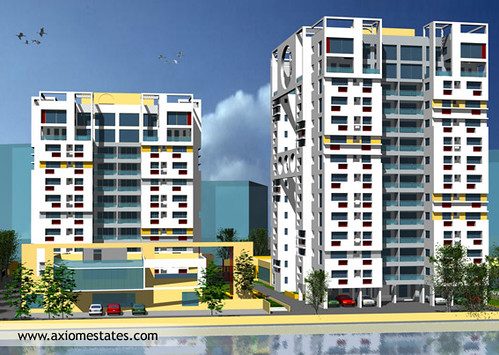
Here's the problem staring at every serious buyer in Gurgaon, Noida, and South Delhi right now: the ₹4 crore home you're eyeing today probably wasn't ₹4 crore eighteen months ago. It was closer to ₹2.8 crore. And if you talk to the developers off the record, they'll tell you the same base configuration is being penciled in at ₹5 crore-plus for their 2026-2027 launches. Buyers who waited through 2021 and 2022 hoping for a correction are now paying for that patience in a very literal way.
I've spent the last few years advising business owners and NRI clients on where to park capital in Indian real estate, and the Delhi NCR luxury segment has been the single most confusing market to read. On one hand, you have a genuine supply crunch in the ₹4 crore-plus category. On the other, you have builders quietly holding inventory to protect price points. The data on Delhi NCR luxury property prices 2027 points to a continued upward move, but the reasons matter more than the headline number, because they tell you which micro-markets will actually deliver and which are riding hype.
This post breaks down what's driving the projected surge, where the real supply gaps sit, a worked example of how buying now versus waiting plays out in rupee terms, and a checklist you can use before you sign anything. No fluff, no "real estate always goes up" nonsense.
Key Takeaways
- Luxury supply (₹4 crore+) in Delhi NCR is genuinely constrained, and developers are pacing launches to hold prices, so waiting rarely rewards you the way it did a decade ago.
- Gurgaon's Golf Course Extension Road, Dwarka Expressway, and Noida's sectors along the Aqua/Blue metro lines are the micro-markets absorbing the most premium demand.
- On a ₹4 crore home, a realistic 12-15% annual appreciation plus your saved rent can outweigh the cost of borrowing if your holding period is 5+ years.
- Always verify the RERA registration, escrow compliance, and land title before you pay anything beyond a token amount.
- Ready-to-move inventory carries a premium but removes construction risk and gives you immediate GST clarity (no GST on completed units).
- Match your purchase to your income honestly. A luxury EMI that eats more than 40% of take-home is a stress purchase, not an investment.
Why are Delhi NCR luxury property prices 2027 projected to rise?
The short version: demand for genuinely premium homes has outrun the pipeline, and the pipeline can't fix that quickly. Land parcels large enough for low-density luxury projects in prime NCR corridors are scarce and expensive. When a developer buys land on Golf Course Road at today's rates, the finished product simply cannot be priced at 2020 levels and still make sense.
A few structural drivers are worth naming clearly:
- Land cost inflation. Prime land in Gurgaon and South Delhi has appreciated faster than the built product in several pockets. Developers pass this straight through.
- Input costs. Steel, cement, imported fittings, and labour have all moved up. Luxury projects use more of the expensive stuff, so their cost base rose more than affordable housing.
- A shift in buyer profile. Post-pandemic, buyers wanted larger homes, private amenities, and better air quality. That pushed demand toward the ₹4 crore-plus segment while the supply was still calibrated for mid-market.
- Consolidation among developers. Credible, RERA-compliant builders with delivery track records command a trust premium. Buyers are willing to pay more to avoid a stalled project, and those developers know it.
Put these together and you get a market where the reputable, ready or near-ready luxury inventory is thin and priced firmly, while the cheaper "luxury" is often either far from completion or in a location that won't hold value. That gap is exactly why the 2027 projections lean upward for the top-tier product.
Which Delhi NCR micro-markets are driving the luxury surge?
"Delhi NCR" is too broad to make a decision on. The price behaviour in Sohna is nothing like New Gurgaon, which is nothing like Noida Sector 150. Here's how I'd rank the premium demand corridors right now.
Gurgaon: still the anchor
Golf Course Road and Golf Course Extension Road remain the deepest luxury markets in NCR. Established social infrastructure, corporate density, and international schools keep pulling both end-users and investors. Dwarka Expressway has matured from a speculative bet into a delivering corridor, and the ₹3-6 crore band there has real absorption now that connectivity is largely in place.
Noida and Greater Noida: the value-to-luxury shift
Sector 150 and the sectors along the Aqua Line have quietly become a serious luxury play, especially for buyers priced out of Gurgaon. Expressway connectivity, the upcoming Jewar (Noida International) airport, and lower per-square-foot rates make it attractive. The catch: do your homework on the developer, because Noida's history has more stalled projects than any other NCR pocket.
South Delhi and central luxury
This is a different animal. Genuine scarcity, mostly resale and redeveloped floors, and prices that are far less correlated with new-launch trends. It's a wealth-preservation market more than an appreciation play.
If you're evaluating across corridors, our team at eDarpan Properties tracks live inventory and price movements across these micro-markets. You can browse current properties for sale in India or reach out for a corridor-specific shortlist. For the broader NCR context, our piece on office leasing hitting 48M sq ft shows how commercial demand is reinforcing residential premiums in the same corridors.
Buy now or wait? A worked example in rupees
Let me make this concrete with a real-style scenario, because "prices will rise" means nothing until you put numbers on it.
Take a Gurgaon buyer, a 42-year-old business owner, looking at a 3BHK in a ready-to-move luxury project on Golf Course Extension Road. Ticket price today: ₹4.2 crore. They have ₹1.5 crore to put down and would finance the rest.
Option A: Buy now.
- Down payment: ₹1.5 crore
- Home loan: ₹2.7 crore at roughly 8.5% for 20 years, EMI around ₹2.34 lakh/month
- Stamp duty and registration in Haryana: roughly 6-7% depending on ownership structure, so about ₹27-29 lakh
- They stop paying ₹1.1 lakh/month rent they currently pay for a comparable rental
Option B: Wait until 2027.
- Assume the same unit appreciates 12% annually. In roughly two years that ₹4.2 crore unit is near ₹5.27 crore.
- Their ₹1.5 crore, invested conservatively at 8%, grows to about ₹1.75 crore.
- They pay ₹1.1 lakh/month rent for two more years: about ₹26.4 lakh gone.
Now the maths. If they wait, the price gap widened by roughly ₹1.07 crore, their investment gained about ₹25 lakh, and they burned ₹26.4 lakh in rent. Net, waiting cost them roughly ₹1.08 crore in lost ground versus about ₹25 lakh of investment gain. Even after accounting for the interest they'd have paid on the loan during those two years, buying now comes out clearly ahead in a rising-price corridor with genuine supply scarcity.
Pro Tip: This maths flips entirely in a flat or oversupplied micro-market. In a Noida pocket with heavy unsold inventory and no near-term appreciation, waiting and letting your down payment compound can beat buying. The 12% appreciation assumption is doing a lot of work here. Never apply a Gurfaon-corridor number to a location that doesn't deserve it. Get real, recent transaction data for the exact project, not the city average.
Not sure what EMI your income can actually carry without turning a home into a burden? Our breakdown of the salary-to-EMI rule scales up cleanly to luxury ticket sizes.
Ready-to-move vs under-construction: what changes the numbers?
This decision affects your GST liability, your risk exposure, and your carrying cost. Here's a clean comparison of the options a luxury buyer typically faces.
| Factor | Ready-to-move (completed) | Under-construction (established developer) | New launch / pre-launch |
|---|---|---|---|
| GST on purchase | None (completion certificate issued) | 5% on residential (no ITC) | 5% on residential (no ITC) |
| Entry price | Highest | Moderate | Lowest |
| Construction risk | None | Low to moderate | High |
| Time to possession | Immediate | 1-3 years | 3-5 years |
| Appreciation upside | Steady | Good if delivered on time | Highest, but highest risk |
| Rent saved from day one | Yes | No (you pay rent + EMI) | No |
For a luxury buyer who intends to live in the home, ready-to-move usually wins despite the premium, because you eliminate the double burden of rent plus EMI plus the risk of a stalled project. For a pure investor with a longer horizon and appetite for risk, under-construction from a proven developer captures more appreciation. Pre-launch is for people who genuinely understand the developer and can stomach a delay.
One point buyers routinely miss: there is no GST on a completed, ready-to-move property. On an under-construction ₹4.2 crore home, 5% GST is roughly ₹21 lakh you won't pay on a completed unit. Factor that into your comparison honestly, it narrows the premium gap more than most people expect.
How do you verify a luxury project before paying?
The higher the ticket size, the more discipline you need before money moves. I've seen buyers hand over crores on the strength of a glossy brochure and a Sunday-afternoon site visit. Don't. Here's the sequence I insist on.
- Verify RERA registration. Every legitimate project must have a RERA number. Look it up on the Haryana RERA (HRERA) or UP RERA portal directly, not on the developer's marketing site. Check the registered completion date and whether it has been revised.
- Check the escrow account compliance. RERA mandates that 70% of buyer funds go into a project-specific escrow account. Confirm the developer is actually operating this. Our guide on RERA escrow rules walks through exactly how to check this.
- Pull the land title and encumbrance certificate. Get a lawyer to verify the title chain and confirm there are no pending litigations or bank charges on the land. This one step prevents most disasters.
- Review the developer's delivery track record. How many projects delivered, on time, in the last five years? A developer with a history of two-year delays is telling you what your possession date really means.
- Confirm approvals. Building plan sanction, environmental clearance, fire NOC, and occupancy certificate (for ready units). Missing approvals mean missing possession.
- Inspect the actual unit, not the sample flat. Sample flats are staged. Ask to see the real floor and check ceiling height, natural light, and the view that won't be blocked by the next tower.
Common Mistake: Buyers get emotionally committed after paying a ₹5-10 lakh token amount and then rush the legal due diligence to "not lose the deal." Reverse that order. Do the RERA, title, and approval checks before you pay even the token. A genuine developer with clean paperwork will happily wait a week for your lawyer. One that pressures you to pay first is telling you something.
If you're a first-time luxury buyer or an NRI who can't be on the ground, this is where a trusted advisor earns their fee. Our eDarpan Properties team runs this exact verification on every listing we recommend, and you can contact us for an independent review of a project you're already considering.
What are the real risks that could hold prices back?
I'd be doing you a disservice if I only made the bull case. A few things could slow or reverse the projected surge:
- Interest rate shocks. A sharp rate rise raises EMIs and cools demand at the margin, especially for leveraged buyers.
- Ghost inventory. Plenty of NCR projects sit built-but-empty, distorting the picture of "supply crunch." Read our piece on ghost flats in India to understand why a built home staying empty is a warning sign, not a bargain.
- Speculative froth in specific corridors. Some pockets have run up on airport and infrastructure hype faster than actual delivery justifies. When the timeline slips, prices in those pockets can stall for years.
- Regulatory or policy shifts. Changes to capital gains treatment, stamp duty, or lending norms can reprice the market quickly.
None of these change the core thesis for the top-tier, well-located, ready product. They do argue strongly for buying the right asset in the right corridor rather than the cheapest "luxury" label you can find. If you're weighing NCR against other metros, our analysis of Mumbai's next growth corridors is a useful counterpoint for portfolio diversification.
Frequently asked questions
Will luxury home prices in Delhi NCR really rise by 2027?
The consensus among developers and market trackers points to continued upward movement in the top-tier segment, driven by land cost inflation, input costs, and thin supply of ready premium inventory. The size of the rise varies sharply by micro-market, so treat city-wide projections as a starting point, not a guarantee for any specific project.
Is it better to buy a ready-to-move or under-construction luxury home?
For end-users, ready-to-move usually wins because you avoid GST, construction risk, and paying rent plus EMI at the same time. For investors with a long horizon and higher risk appetite, under-construction from a proven developer can capture more appreciation. Match the choice to whether you're living in it or investing.
Which Gurgaon micro-market is best for luxury investment?
Golf Course Road and Golf Course Extension Road remain the deepest and most liquid luxury markets, with Dwarka Expressway now delivering as a mature corridor. Established social infrastructure and corporate density support both resale value and rental demand.
How much down payment do I need for a ₹4 crore home in NCR?
Banks typically finance up to 75-80% of the property value, so plan for at least ₹80 lakh to ₹1 crore as down payment on a ₹4 crore home, plus another ₹25-30 lakh for stamp duty, registration, and other charges. Keep a buffer for interiors and moving costs.
Do I pay GST on a ready-to-move luxury flat?
No. Once a project has received its completion or occupancy certificate, there is no GST on the sale. GST of 5% (without input tax credit) applies only to under-construction residential units, which is a meaningful saving on a high-ticket purchase.
How do I verify a luxury project is safe to buy?
Check the RERA registration on the official state portal, confirm the developer is operating a compliant escrow account, verify the land title and encumbrance certificate through a lawyer, and review the developer's on-time delivery track record. Do all of this before paying any token amount.
Should NRIs buy Delhi NCR luxury property now?
NRIs can buy residential property in India freely and often benefit from favourable rupee positioning. The key is remote due diligence, so use a trusted local advisor to verify paperwork, inspect the actual unit, and manage the transaction. This removes the biggest risk NRIs face, which is buying blind.
The bottom line
The data on Delhi NCR luxury property prices 2027 tells a consistent story: for genuinely premium, well-located, RERA-compliant inventory, the direction is up, and the supply crunch is real. But the direction of the headline number is not permission to buy anything with a "luxury" tag on it. Buy the right corridor, verify the paperwork ruthlessly, and be honest about whether your income can carry the EMI without stress.
If you buy a scarce, ready asset in a corridor with real demand, the maths in this article suggests waiting rarely pays. If you're tempted by a cheap "luxury" launch in an oversupplied pocket, that same maths can turn against you fast. The difference is entirely in the diligence.
When you're ready to shortlist, whether you want to buy, explore rental options first, or get an independent second opinion on a project you're already eyeing, eDarpan Properties can help you cut through the marketing and look at the numbers that actually matter. Get in touch and tell us your budget, corridor, and timeline, and we'll build you a shortlist worth your capital.
Image credit: Kolkata Properties - Real Estate India - Sunny Fort by nancyarora2020 via flickr (BY-SA 2.0), sourced through Openverse.
Written by
Rajesh Tiwari
Real estate analyst covering property markets across Delhi NCR, Mumbai, and Bangalore. Rajesh tracks pricing trends, RERA compliance, and investment opportunities for residential and commercial buyers.
Looking for a technology partner?
From IT consulting to virtual office to custom software — eDarpan can help.
Continue reading
Rent or Buy in Dwarka 2026: Break-Even Math for Delhi-NCR Buyers
Should you rent or buy in Dwarka in 2026? This break-even guide walks through the full ownership cost, down-payment opportunity cost, and a worked example to find your real answer.
Delhi-NCR Home Prices Up 12%: Rent or Buy in 2026? A Break-Even Guide
Home prices are up 12%, but is buying still smarter than renting? A break-even guide to the real costs of owning in Delhi-NCR.
Property Prices Up in 2026: Should You Buy Now or Wait for 2027?
Property prices rose through 2026 while sales softened in some areas. Here's how to decide between buying now or waiting, using your own numbers rather than forecasts.