Noida International Airport: Where Smart Buyers Should Look Now
Most Jewar buyers lose money chasing banners near the airport. Here's where smart buyers should actually look, and how to avoid costly mistakes.
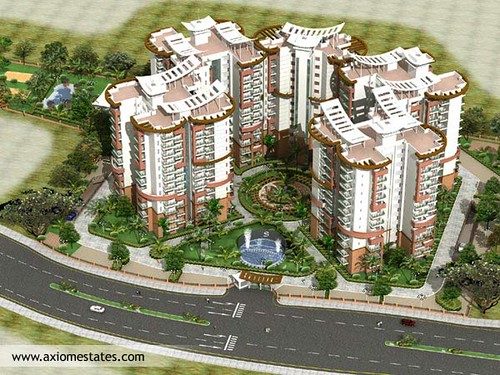
Here's the problem most buyers walk into around Jewar: they hear "airport coming, prices will boom," they drive down the Yamuna Expressway on a Sunday, see a hundred banners promising "5 minutes from terminal," and they buy a plot in a project that may never get a completion certificate. Six years later they're holding a registry for land they can't sell, can't build on, and can't even visit without a local guide. I've watched this happen to three clients personally, two of them otherwise sharp businessmen who run profitable MSMEs in Delhi and Faridabad.
The opportunity is real. Noida International Airport at Jewar is being built to handle roughly 12 million passengers a year in Phase 1, scaling to 70 million across later phases, which would make it one of the largest airports in Asia. That kind of infrastructure genuinely reshapes land economics in a 30 to 40 km radius. But "the airport will lift prices" and "this specific plot will make me money" are two completely different statements, and the gap between them is where people lose their savings.
This post is about closing that gap. I'll walk you through which Jewar-adjacent micro-markets actually deserve your attention right now, a realistic timeline for a Noida International Airport property investment, the documents that separate a safe deal from a disaster, and a worked example showing how the numbers play out over a holding period. Read it before you sign anything.
Key Takeaways
- The airport's first commercial flights are expected after multiple delays; budget your timeline around actual operations, not announced dates. Plan for a 5 to 8 year horizon, not 2.
- YEIDA-authorised sectors and registered group housing carry far less risk than unapproved colonies on the expressway fringe. Approval status matters more than distance to the airport.
- The best risk-adjusted entry points today are YEIDA residential plot schemes, RERA-registered apartments in Sectors 17A, 22D and 18, and commercial near the upcoming film city and MRO zones.
- Verify RERA registration, YEIDA allotment, land-use conversion, and clear title before paying a token. Skip any of these and you're gambling.
- Liquidity is the real risk, not just price. Have a plan for how you exit before you enter.
- For NRIs and out-of-state buyers, a verified local presence and document trail matters; eDarpan can help with registration support and a virtual office address for GST and company registration if you're routing the buy through a business entity.
Why is Jewar suddenly the most talked-about real estate corridor in NCR?
Jewar sits in Gautam Buddh Nagar district, along the Yamuna Expressway that connects Greater Noida to Agra. For two decades this was farmland and sleepy villages. The Yamuna Expressway Industrial Development Authority (YEIDA) had master-planned sectors here long before the airport, but they sat largely undeveloped because there was no demand driver.
The airport changed the equation. When you add an international airport, you don't just add an airport. You add a planned multi-modal cargo hub, an MRO (maintenance, repair and overhaul) zone, a proposed film city near Sector 21, logistics parks, and a metro and rapid rail connection on the drawing board. Each of those creates employment, and employment creates genuine housing and commercial demand rather than purely speculative demand.
That distinction is everything. Speculative demand collapses the moment sentiment turns. Employment-led demand compounds slowly and survives downturns. Your job as a buyer is to position yourself where real demand will land, not where the banners are loudest.
If you want the broader NCR picture, our breakdown of why big developers are flocking to Delhi-NCR gives useful context on how institutional money is reading this market.
What's the realistic timeline, and why does it matter for your money?
I'll be blunt about timelines because optimistic dates have cost buyers dearly. The airport has seen repeated delays. Treat any "opening soon" claim with skepticism and build your financial plan on operations being a moving target.
Here's how I frame the phases for clients:
- Pre-operations (now): Land and under-construction inventory is priced on anticipation. Plenty of upside built into headline prices already, so you're not getting a ground-floor deal everywhere.
- First operations: A sentiment spike. Prices jump on news, then often plateau as reality sets in. Many buyers who entered late buy into this spike and get stuck.
- Phase 1 stabilisation (roughly 2 to 4 years after operations): Employment ramps up, occupancy improves, rental yields begin to make sense. This is when end-user demand validates the speculation.
- Multi-phase maturity (5 to 8+ years): If later phases proceed as planned, this is where the corridor becomes a genuine self-sustaining urban node.
What this means practically: if you cannot comfortably hold the asset for at least five years without needing the capital, this is not the play for you. Forced sellers always lose in infrastructure-driven markets because liquidity dries up exactly when you need it most.
Pro Tip: Don't time your purchase to a rumoured inauguration date. Time it to your own holding capacity. The buyers who made real money on Gurgaon's Golf Course Extension and Noida Expressway weren't the ones who guessed the launch date right. They were the ones who could hold through the dead middle years when nothing moved.
Which Jewar-adjacent micro-markets offer the best entry points now?
Not all "near Jewar" is equal. A plot 8 km away in an unapproved colony is worse than an approved plot 20 km away with a clear path to development. Here's how I rank the current options by risk-adjusted attractiveness.
| Micro-market / Asset | Typical entry (indicative) | Risk level | Best suited for | Key caution |
|---|---|---|---|---|
| YEIDA residential plot schemes (allotted sectors) | Scheme-dependent; allotment via lottery | Low to moderate | Long-hold investors, end-users | Allotment is luck-based; resale premiums vary |
| RERA-registered apartments (Sectors 17A, 22D, 18) | ₹40–70 lakh range for mid-size units | Moderate | Buyers wanting rental income later | Verify builder track record and completion timeline |
| Commercial near film city / MRO zones | Higher ticket, varies widely | Moderate to high | Investors with deep pockets and patience | Tenant demand lags physical completion |
| Greater Noida West (Noida Extension) resale | ₹50 lakh–1.2 crore | Low | Buyers wanting liquidity and ready possession | Less direct airport upside; more priced-in |
| Unapproved expressway-fringe colonies | Tempting low prices | Very high | Nobody, frankly | No CC, resale and title nightmares |
My honest read: for most buyers, the sweet spot is RERA-registered residential in the developing YEIDA sectors plus, if you qualify and get lucky in the draw, a YEIDA plot allotment. The commercial play is real but it rewards patience and capital that you genuinely don't need back. The unapproved-fringe option is where the cheap banners live, and it's where money goes to die.
While you're comparing inventory, browse current listings on eDarpan Properties and filter the properties for sale in India section for verified YEIDA-corridor options rather than chasing roadside hoardings.
A worked example: how the numbers actually play out
Let me make this concrete. Take Rajeev, a 44-year-old who runs a textile trading MSME in Ludhiana and wanted to park ₹55 lakh in NCR property for his daughter's future and some diversification away from his business.
His first instinct was a "₹38 lakh plot, 6 km from airport" deal a broker pushed hard. We checked the documents. No YEIDA allotment, land use still agricultural, no layout approval. The "registry" being offered was on agricultural land that legally couldn't be used for residential construction. He walked away, and that decision alone saved his capital.
Instead, he bought a RERA-registered 2BHK in a developing YEIDA sector for ₹52 lakh, with ₹3 lakh kept aside for stamp duty (around 7% in UP, with the standard rebate when a woman is a co-owner), registration, and incidentals. Here's the rough math over a planned seven-year hold:
- Purchase price: ₹52,00,000 plus ~₹3,00,000 transaction costs = ₹55,00,000 all-in.
- Holding: No rental for the first 2–3 years (possession plus tenant demand lag), then a realistic rent once the corridor populates.
- Exit assumption (conservative): Even modest appreciation tied to airport stabilisation, plus a few years of rent, gives a return that beats a fixed deposit while diversifying his asset base.
I'm deliberately not quoting a fancy multiplier, because anyone who promises you "3x in 3 years" is selling, not advising. The point of Rajeev's case is the process: he rejected the cheap-but-illegal option, chose RERA-protected inventory, and sized the buy so a five-to-seven year hold wouldn't stress his business cash flow. That discipline is the actual edge.
Common Mistake: Buyers obsess over the price per square foot and ignore the legal status. A ₹38 lakh plot you can't legally build on or cleanly resell has an effective value far below a ₹52 lakh approved unit. Cheap is not the same as good value.
What documents and checks must you complete before paying a token?
This is the part most buyers rush, and it's the part that decides whether you sleep well. Here's the verification walkthrough I give every client. You can hand this list to your lawyer or do the legwork yourself.
- RERA registration: For any apartment or plotted development, get the UP-RERA registration number and verify it on the official UP-RERA portal. Check the project's declared completion date and any complaints filed against the promoter.
- YEIDA / authority allotment: Confirm the land falls within a planned YEIDA sector and that the developer holds a valid allotment and lease deed from the authority. Ask for the allotment letter and the layout plan approval.
- Land use: Verify the land is converted to the appropriate use (residential/commercial). Agricultural land sold as plots is the single biggest trap on this corridor.
- Title chain: Get a 30-year title search done. Confirm the seller actually owns what they're selling and there are no pending litigations or family disputes.
- Encumbrance certificate: Obtain it from the sub-registrar's office to confirm no mortgage or charge sits on the property.
- Approved plan vs ground reality: Physically visit and match the sanctioned plan against what's built. Set-back violations and unapproved floors get demolished, and you eat the loss.
- Completion / occupancy certificate: For ready property, no CC/OC means don't buy. For under-construction, build penalties for delay into the agreement.
- GST and payment terms: Under-construction property attracts GST; ready-to-move with completion certificate does not. Factor this into your total cost and keep every payment on record through banking channels.
If you're buying through your business entity for balance-sheet reasons, the registration and address-proof requirements get more involved. eDarpan's IT and business consulting team regularly helps MSMEs structure these purchases cleanly, and our virtual office service solves the registered-address requirement for GST and company registration when you don't yet have physical premises in the region.
How does the Noida International Airport property investment compare to the Bullet Train corridor?
Buyers often ask me whether Jewar or the Mumbai-Ahmedabad high-speed rail corridor is the better infrastructure play. They're different animals. An airport creates a concentrated employment and logistics node with a clear catchment. A bullet train spreads its impact thinly across multiple station towns, and the upside concentrates around those specific stations.
The Jewar story is more concentrated, which cuts both ways: higher potential upside near the core, but also higher risk if you buy in the wrong pocket. We've written a full analysis on whether the Mumbai-Ahmedabad bullet train will lift property prices if you want to compare the two infrastructure narratives before deciding where to deploy capital.
One more practical note that catches buyers off guard: the area you're quoted versus the area you actually own. Builders quote super built-up, you pay for it, but you live in carpet area. On a ₹55 lakh purchase, the difference between carpet and super built-up can be 25 to 35 percent of the headline area. Read our explainer on carpet vs built-up vs super built-up area before you compare two projects' prices, because you might be comparing very different things.
What are the real risks, and how do you manage them?
Every investment pitch glosses over risk. Here are the ones I make clients stare at directly.
Timeline risk
Infrastructure timelines slip. If the airport's later phases stall or the metro/rapid-rail links get delayed, your stabilisation period stretches. Mitigation: assume the conservative timeline and only invest capital you won't need.
Liquidity risk
This corridor can become illiquid during quiet periods. You may not find a buyer at your price when you want out. Mitigation: prefer RERA-registered, ready or near-ready inventory in sectors with actual population, which resells more easily than a remote plot.
Title and approval risk
The single biggest cause of total loss. Mitigation: the eight-point verification above, done by a competent local property lawyer, no exceptions.
Over-supply risk
Every developer is launching here. Too much supply can suppress prices and rents for years. Mitigation: buy where the location has an inherent edge (genuine connectivity, proximity to employment zones) that survives a supply glut.
For out-of-state and NRI buyers, managing these risks remotely is hard. You need eyes on the ground, document verification, and someone who answers the phone. eDarpan's services and property advisory can act as that local layer so you're not relying on a broker whose only incentive is closing the deal.
FAQ: Noida International Airport property investment
Is it too late to invest near Noida International Airport?
No, but the easy money is gone in the obvious pockets. Headline prices already bake in a lot of anticipation. The opportunity now is in selectively chosen, properly approved inventory held over a 5 to 8 year horizon rather than quick flips.
What is the minimum budget to invest in the Jewar corridor?
Realistically, mid-size RERA-registered apartments in developing YEIDA sectors start in the ₹40–70 lakh range, and YEIDA plot schemes are allotted via lottery at scheme-specific rates. Avoid sub-₹40 lakh "deals" that turn out to be unapproved agricultural land.
Should I buy a plot or an apartment near Jewar?
A YEIDA-allotted plot can offer more upside but lower liquidity and a longer development wait. A RERA-registered apartment offers protection, eventual rental income, and easier resale. For most first-time investors, the apartment is the lower-risk choice.
How do I verify if a project near the airport is legal?
Check the UP-RERA registration number on the official portal, confirm YEIDA allotment and approved layout, verify the land is converted to residential or commercial use, and run a 30-year title search plus an encumbrance certificate. Skip any of these and the risk multiplies.
Will GST apply when I buy property in this corridor?
GST applies to under-construction property but not to ready-to-move property that has a completion certificate. Factor this into your total acquisition cost and always pay through banking channels to keep a clean record.
Is the Jewar corridor a good option for NRI buyers?
It can be, provided you have reliable local representation for document verification and ongoing oversight. The main NRI pitfall is buying remotely on a broker's word. A verified local advisor and a clean document trail are non-negotiable.
How long should I plan to hold a Jewar-area investment?
Plan for at least five years, ideally seven or more, to ride through the post-operations plateau into genuine end-user demand. If you need the capital sooner, this corridor isn't the right place for it.
The bottom line for smart buyers
A Noida International Airport property investment can absolutely work, but only if you separate the genuine opportunity from the marketing noise around it. The corridor's long-term story rests on real employment from cargo, MRO, the film city, and connectivity, not on guessing an inauguration date. Buy approved inventory, verify every document, size your purchase so you can hold through the quiet years, and pick locations with an inherent edge that survives over-supply.
Do that, and you're positioned where real demand will eventually land rather than where the cheapest banner promised the most. Get tempted by the unapproved bargain, and you'll join the list of buyers holding a registry for land they can't use.
If you want a verified, no-pressure view of current options, explore listings on eDarpan Properties, or talk to our team for help with document verification, structuring the buy through your business entity, or setting up the compliance basics. We'd rather you walk away from a bad deal than rush into one.
Image credit: Bangalore Properties - Real Estate India - Shriram Symphony by nancyarora2020 via flickr (BY-SA 2.0), sourced through Openverse.
Written by
Rajesh Tiwari
Real estate analyst covering property markets across Delhi NCR, Mumbai, and Bangalore. Rajesh tracks pricing trends, RERA compliance, and investment opportunities for residential and commercial buyers.
Looking for a technology partner?
From IT consulting to virtual office to custom software — eDarpan can help.
Continue reading
Festive Season Home Buying 2026: Deals Amid Unsold Inventory
With 10-11 lakh unsold units across metros, festive season home buying 2026 hands buyers real leverage. Here's your negotiation playbook.
Metro & Infra Projects Reshaping NCR Home Prices 2026
Learn how metro corridors, expressways, and Jewar Airport are reshaping NCR home prices in 2026, plus a framework to time your entry for maximum gains.
Greater Noida Property 2026: Is the Builder Rush a Buy Signal
Big builders are rushing to Greater Noida, but is it a buy signal or hype? A practical guide to reading the land rush before you invest in 2026.