Construction Costs Up 34%: How It Hits Home Prices in 2026
Construction input costs are up 34% and home prices have surged up to 59%. Here's how it hits your 2026 buying decision plus a negotiation playbook.
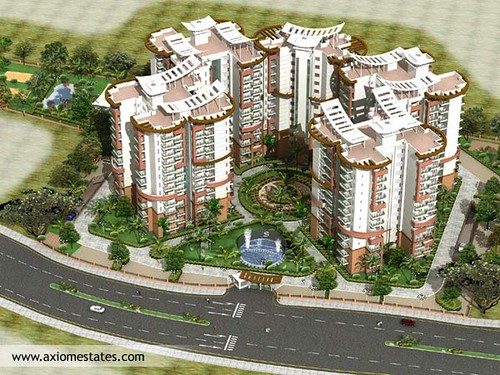
If you've been sitting on a home purchase decision for the last two years waiting for prices to "cool off," you already know the frustration. The under-construction 2BHK you were quoting at ₹58 lakh in a Pune suburb in 2023 now carries a sticker of ₹78 lakh, and the builder's sales guy tells you with a straight face that you're still getting a deal. He's partly right, and that's the annoying part.
Here's the number driving all of this: construction input costs in India have climbed roughly 34% over the past few years, and in several metros ready-to-move home prices have jumped as much as 59% from their pandemic-era lows. That's not a typo. Cement, TMT steel, sand, skilled labour, and a compliance load that keeps growing have all pushed the builder's per-square-foot cost up in a way that gets passed straight to you. Understanding the construction cost impact on home prices India is now the single biggest factor in deciding whether you buy now, wait, or negotiate a very different kind of deal.
In this post I'll break down exactly where these cost increases come from, how they flow into your final price, when under-construction beats ready-to-move (and when it absolutely doesn't), and a negotiation playbook you can use in your next site visit. I've helped clients evaluate property purchases the same way I evaluate IT infrastructure spends: line by line, no emotion, and always asking "what am I actually paying for?"
Key Takeaways
- Construction input costs are up ~34%, and builders have limited ability to absorb this, so expect it in every fresh price quote through 2026.
- Ready-to-move (RTM) inventory has largely already priced in the increases; under-construction (UC) properties still carry pricing leverage if you buy early in the project cycle.
- UC saves you money upfront but exposes you to delay risk and 12% GST on under-construction homes vs zero GST on completed ones.
- The real negotiation lever in 2026 is builder cash-flow pressure, not "market discount" myths. Larger down payments and quick closings unlock the best rates.
- Timing your purchase around RBI rate movements and quarter-end builder targets can save you 4–8% on the total outgo.
- Always compute carpet-area price, not super-built-up, before comparing two projects.
Why have construction costs risen 34% and who actually pays for it?
The 34% figure isn't one villain. It's a stack of increases across every material and labour line in a builder's cost sheet. Let me walk through the ones that matter most.
Cement and steel together make up 25–30% of a building's raw material cost. TMT steel prices have swung wildly with global commodity cycles and the rupee's movement against the dollar, while cement has climbed on higher power and freight costs. A builder buying steel at ₹52,000/tonne in 2021 was often paying north of ₹68,000/tonne through parts of 2024.
Sand and aggregates have gotten expensive because of tighter mining regulations and river sand bans in states like Tamil Nadu and Maharashtra. Legal M-sand costs more and adds to transport.
Skilled labour is the quiet killer. Post-pandemic, migrant labour patterns changed, and a mason who earned ₹600/day in 2020 now commands ₹900–1,100/day in most metros. Multiply that across a 200-flat project timeline and it's enormous.
Compliance and financing round it out. RERA registration, environmental clearances, higher approval fees, and the interest builders pay on construction finance (which rose with the RBI's rate hikes) all land in the per-sq-ft cost. When you look at the full picture of property registration and stamp duty charges in India for 2026, you realise the buyer absorbs several layers of cost that never appear on the headline price.
So who pays? You do. In a seller's market with strong demand in cities like Bengaluru, Hyderabad, and Pune, builders have almost no incentive to eat these costs. The economics of construction are simple: a developer runs on 15–22% margins, and a 34% input increase would wipe that out entirely if not passed on.
How does a 34% cost rise turn into a 59% price jump?
This is where buyers get confused. If costs went up 34%, why did prices jump 59% in some markets? The answer is that construction cost is only one input into final price.
The final price you pay is roughly: land cost + construction cost + approvals and financing + builder margin + demand premium. When demand surges (as it did across metros in 2023–2025), the demand premium expands faster than costs. Land appreciation in prime corridors also compounds this.
Take a concrete example. Consider a mid-segment project in Wakad, Pune.
- 2021 pricing: Land + construction + margin gave a ₹6,200/sq-ft price. A 1,000 sq-ft carpet flat cost about ₹62 lakh.
- 2025 pricing: Construction cost per sq-ft rose from ₹1,900 to ₹2,550 (about 34%). But land appreciated 40%, and demand let the builder add a fatter premium. The new price hit ₹9,800/sq-ft. That same flat now costs ₹98 lakh.
That's a 58% jump in final price from a 34% construction cost rise, with land and demand doing the rest of the work. This is the core mechanic behind the construction cost impact on home prices India that most buyers never break down.
Under-construction vs ready-to-move: which one wins in 2026?
This is the decision that actually saves or costs you lakhs. Both have real trade-offs, and the right answer depends on your risk appetite, your funding, and how much you trust the builder.
Under-construction properties are typically priced 10–20% below comparable ready-to-move units in the same locality, because the builder is essentially borrowing from you to finish the project. But UC attracts 12% GST (with the effective rate around 5% for non-affordable and 1% for affordable housing after input credit adjustments under current norms), whereas completed properties with a completion certificate carry zero GST. Delay risk is also real. Even RERA-registered projects slip.
| Factor | Under-Construction (UC) | Ready-to-Move (RTM) | Nearing-Completion (6–9 months out) |
|---|---|---|---|
| Base price | Lowest (10–20% cheaper) | Highest | Slight discount to RTM |
| GST | 1% or 5% (affordable / non-affordable) | Nil (with completion certificate) | Applicable until CC issued |
| Delay / completion risk | High | None | Low-moderate |
| Rental income during wait | None (you pay rent + EMI) | Immediate | Near-term |
| Price appreciation potential | Highest (buy early, sell later) | Lower (already appreciated) | Moderate |
| Negotiation leverage | High (builder needs cash) | Moderate | High near quarter-end |
My practical read for 2026: if you have stable income, a large down payment, and can carry the "rent plus EMI" burden during construction, UC in a RERA-registered project by a reputable builder is where the money is. If you can't absorb an 18-month delay without it hurting, or you're buying with tight finances, RTM removes the biggest risk. The nearing-completion window is the sweet spot most people miss.
Pro Tip: Don't just check if a project is RERA-registered. Pull up the actual RERA portal for your state (MahaRERA, K-RERA, TG-RERA, etc.) and look at the builder's other projects. A developer with three delayed listings will delay yours too, RERA registration or not. Registration is a filing, not a guarantee.
A worked example: buying UC vs RTM on the same ₹85 lakh flat
Let me run the actual numbers, because the "UC is cheaper" claim collapses once you add GST and carrying costs. Assume a family in Hyderabad comparing two nearly identical 2BHK flats in Kondapur.
Option A — Ready-to-move: Price ₹85 lakh, zero GST, move in immediately.
Option B — Under-construction, 20 months to possession: Price ₹72 lakh (about 15% cheaper), plus 5% GST = ₹3.6 lakh. Effective cost ₹75.6 lakh at possession.
On paper, UC saves ₹9.4 lakh. Now add the real costs of waiting:
- Rent during construction: ₹28,000/month × 20 months = ₹5.6 lakh.
- Pre-EMI or partial EMI on disbursed loan amount during construction (varies, but budget ₹2–3 lakh of interest you'd not pay on a fully-disbursed RTM loan that's building equity).
Net saving on UC shrinks to roughly ₹1–2 lakh, plus you carry delay risk. But here's the flip: if the Kondapur corridor appreciates 8% a year (realistic for that micro-market), your UC flat is worth roughly ₹84 lakh by possession, before you've paid full price. That appreciation is the real UC advantage, and it's exactly why investors favour it. The Hyderabad market specifically has been on a tear; I've covered whether that momentum holds in this deep dive on the Hyderabad property boom for 2026.
Verdict for this family: If they're end-users who need a home now and can't take delay risk, RTM at ₹85 lakh is worth the premium. If they're investors or have flexible timelines, UC wins on appreciation. The math changes entirely based on why you're buying.
How do RBI rates and construction costs interact for your EMI?
Construction cost pushes up the principal you borrow. Interest rates decide what that principal costs you monthly. In 2026 both levers are moving, and you need to read them together.
A ₹75 lakh loan at 8.5% over 20 years runs an EMI of about ₹65,100. Drop the rate to 8% and it's ₹62,750, a saving of ₹2,350/month or about ₹5.6 lakh over the loan life. Now imagine construction cost inflation pushed your loan from ₹65 lakh to ₹75 lakh. That extra ₹10 lakh at 8.5% adds roughly ₹8,700/month.
The takeaway: a favourable rate movement can partly offset construction-driven price increases, but it rarely fully cancels them. Time your purchase for a window where rates are stable or easing. I'd strongly suggest reading our breakdown of home loan interest rates in India for 2026 and how RBI rate cuts affect you before you lock a loan, because the difference between a repo-linked and an older MCLR-linked loan can be significant.
A step-by-step playbook to negotiate in a high-cost market
You can't argue construction costs down. But you can use the builder's cash-flow pressure to your advantage. Here's the sequence I'd follow.
- Compute carpet-area price first. Ignore super-built-up quotes. Divide the all-in price by the RERA carpet area to get the true per-sq-ft cost, then compare across three or four projects in the same micro-market.
- Time your visit to quarter-end. March and to a lesser extent June, September, and December are when sales teams chase targets. Builders offer their sharpest deals when they need to book revenue.
- Lead with a large down payment. A buyer who can put 30–40% down and close in 30 days is gold to a cash-strapped developer. This is your single biggest lever. Ask for a 4–6% price reduction in exchange for a fast, high-down-payment close.
- Negotiate the extras, not just the base price. Floor rise charges, preferred location charges (PLC), parking, club membership, and maintenance advance can add 8–12%. Builders will often waive PLC or a floor-rise charge before they'll cut the base rate.
- Ask for GST and registration handling. Some builders will absorb part of the stamp duty or offer to bear the GST in a soft market. Get every promise in the agreement, not on WhatsApp.
- Verify the RERA carpet area against the sanctioned plan before signing. Discrepancies here are common and cost you real money later.
- Get the payment plan in writing with penalty clauses for delay. A construction-linked plan (CLP) protects you far better than a front-loaded one.
Common Mistake: Buyers chase the lowest per-sq-ft number and ignore the "other charges" line. I've seen a project advertised at ₹6,800/sq-ft end up costing ₹7,900/sq-ft all-in once PLC, floor rise, parking, and infrastructure charges were added. Always negotiate on the all-in price, not the headline rate.
Where should you buy in 2026 given these cost pressures?
When costs are high across the board, location strategy matters more than ever. Two approaches work.
Buy below your budget in an appreciating corridor. Instead of stretching to a ₹1 crore flat in a saturated locality, buy a ₹75 lakh flat in an emerging corridor with confirmed infrastructure (metro extension, ring road, IT park expansion). We cover this thinking in detail in our guide to buying a home below your budget in India in 2026.
Prioritise rental yield if you're investing. With capital appreciation slowing in over-heated markets, some cities now offer better rental returns than others. If income matters more than flipping, look at the data in our analysis of India's top rental yield cities for 2026.
Whether you're buying to live or to invest, you can browse verified, current listings on eDarpan Properties. Our team maintains active inventory across properties for sale in India and rental properties, with the pricing and area details laid out clearly so you're comparing carpet-area rates from the start.
How eDarpan helps you make a data-backed decision
Buying a home in a 34%-cost-inflation environment is a numbers problem before it's an emotional one. That's the mindset we bring at eDarpan. Our property advisory doesn't just show you flats; it helps you run the UC-vs-RTM math, verify RERA status, decode the "other charges," and time your purchase around rate movements.
If you want a straight, no-fluff conversation about whether to buy now or wait in your specific city and budget, get in touch with our team. We'd rather help you walk away from a bad deal than push you into one.
Frequently asked questions
Will home prices in India fall in 2026?
A broad price fall is unlikely because underlying construction costs are up 34% and builders can't sell below cost. What you may see is slower appreciation and better negotiation room in over-supplied micro-markets, but a nominal price crash across major metros isn't the realistic base case for 2026.
Is it cheaper to buy an under-construction or ready-to-move flat?
Under-construction is cheaper on the base price, usually 10–20% less. But once you add 1–5% GST plus the rent and interest you pay while waiting, the real saving often shrinks to a lakh or two. UC only clearly wins when the location appreciates fast during the construction period.
How much GST do I pay on an under-construction property in India?
Under current norms, GST is 1% for affordable housing (units under ₹45 lakh meeting the criteria) and 5% for non-affordable under-construction homes, both without input tax credit. Completed properties with a valid completion certificate attract zero GST, which is a genuine cost advantage of ready-to-move.
Why did property prices rise more than construction costs?
Because construction cost is only one input. Final price also includes land appreciation, builder margin, and a demand premium. In high-demand corridors, land value and demand rose faster than material costs, which is how a 34% cost increase can translate into a 50%+ price jump.
When is the best time of year to negotiate a home price?
Quarter-ends, especially March, are strongest because builders push to book revenue against targets. Combine that timing with a large down payment and a quick close, and you'll get a builder's best offer. Festive-season schemes can also carry genuine discounts, but read the fine print.
Should I wait for RBI rate cuts before buying?
Rate cuts lower your EMI but rarely offset ongoing construction-driven price increases. If you find the right property at a fair carpet-area rate, waiting a few months for a possible small rate cut can cost you more in price appreciation than you save on interest. Track rates, but don't let them freeze your decision indefinitely.
How do I verify a builder before buying under-construction?
Check the project on your state's RERA portal, then look at the builder's track record on their previous projects for delays. Verify the sanctioned plan, the completion timeline with penalty clauses, and the actual RERA carpet area. A builder with a history of on-time delivery is worth a small price premium.
The bottom line on the construction cost impact on home prices India is this: costs aren't coming back down, so your edge comes from understanding exactly what you're paying for, choosing the right stage of construction for your situation, and negotiating on the all-in number. Do the math coldly, verify everything, and time your close for maximum builder pressure. When you're ready to look at real listings with transparent pricing, eDarpan Properties is a good place to start.
Image credit: Bangalore Properties - Real Estate India - Shriram Symphony by nancyarora2020 via flickr (BY-SA 2.0), sourced through Openverse.
Written by
Rajesh Tiwari
Real estate analyst covering property markets across Delhi NCR, Mumbai, and Bangalore. Rajesh tracks pricing trends, RERA compliance, and investment opportunities for residential and commercial buyers.
Looking for a technology partner?
From IT consulting to virtual office to custom software — eDarpan can help.
Continue reading
Home Prices Up, Rents Steady: Dwarka Buyer vs Renter Math for 2026
Home prices are outpacing salaries in Dwarka. Here's a break-even framework to work out whether renting or buying wins for your numbers, with worked examples and hidden costs.
Tier-2 Cities Up 63% in 5 Years: Where Should You Invest in 2026?
Tier-2 cities have grown up to 63% in five years. Here's how to separate real rental-backed growth from hype before you put ₹80 lakh into property.
Rent or Buy in Noida 2026: Break-Even Math for Indian Homebuyers
Buying in Noida costs far more than the EMI suggests. Here's the break-even math Indian homebuyers need before committing to a flat.