Amenities That Fail: What to Check Before Buying a Flat
Brochure amenities are marketing, not guarantees. Here's the exact checklist of apartment amenities to check before buying a flat—so you don't overpay.
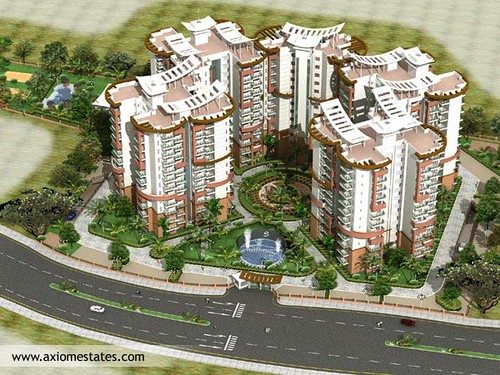
Last month a client called me in a panic. He'd booked a 2BHK in a project off the Mumbai-Nashik highway, sold hard on a rooftop infinity pool, a clubhouse with squash courts, and a "smart" access system. Two years after possession, the pool was drained and locked, the squash court had become a storeroom for the society's diesel generator, and the smart access reader at the gate had been ripped out because nobody would pay the AMC. He'd paid a premium of roughly ₹9 lakh over comparable projects nearby, largely for amenities that no longer existed.
This isn't rare. It's the norm. A recent set of viral posts out of Mumbai reignited a debate every honest broker already knows: developers over-promise on lifestyle, buyers under-verify, and the gap becomes your problem the day the builder's marketing team moves on to the next launch. The compound wall is where the brochure ends and reality begins.
So this post is a working checklist of apartment amenities to check before buying — not a feel-good listicle, but the actual questions I ask, the documents I demand, and the failure patterns I've seen play out across projects in Pune, Gurgaon, Thane, and Whitefield. If you read only one thing before you sign, make it this.
Key Takeaways
- Amenities listed in the brochure are marketing. Only what's written into the agreement for sale and the sanctioned plan is legally enforceable.
- The real killer isn't whether an amenity exists — it's the ongoing maintenance cost. A clubhouse that costs ₹40/sqft/month to run will get shut down by the very residents it was sold to.
- Always ask for the occupancy certificate (OC) and check whether amenity areas are included in it. Unapproved clubhouses get sealed.
- Visit an older project by the same builder after possession. That's your best predictor of what your home looks like in year five.
- Verify the RERA registration and read the promised completion date and amenity list filed there, not the sales deck.
- Budget for a maintenance corpus and rising monthly charges — many "free" amenities become paid or defunct within three years.
Why do apartment amenities fail after possession?
Amenities don't fail because the builder is evil. They fail because of a structural mismatch that nobody explains at booking. The developer builds the amenity to sell flats. Once flats are sold and the society is handed over, the running cost transfers to residents. If that cost is high relative to what people are willing to pay in monthly maintenance, the amenity dies.
Think about a swimming pool. Construction is a one-time capital cost the builder absorbs into your flat price. But a pool needs a lifeguard, water treatment, pumps, electricity, and regular cleaning. In a 120-flat society, that can run ₹1.5 to ₹3 lakh a month. Divide by 120 and you're looking at ₹1,200 to ₹2,500 per flat just for the pool. When residents see that line item in the maintenance bill, a general body meeting votes to drain it. I've watched this exact vote happen three times.
The pattern repeats across the "wow" amenities:
- Gymnasium: Equipment depreciates. Nobody budgets for the ₹4-6 lakh replacement cycle. Treadmills sit broken.
- Landscaped gardens: Need gardeners and water. Get replaced by low-maintenance paving.
- Clubhouse and party hall: High electricity and housekeeping cost. Often locked and rented out per-event to recover cost.
- Smart access and CCTV: The AMC is the silent killer. Systems die when the first-year warranty lapses and nobody renews.
- Sewage treatment plant (STP): Legally required in most cities, expensive to run correctly, frequently bypassed. This one's a compliance risk, not just an inconvenience.
What's the difference between promised and legally enforceable amenities?
This is the single most important distinction, and 90% of buyers get it wrong. There are three tiers of "promise," and only two are worth anything.
Tier 1: The brochure and the sample flat
Legally close to worthless. Brochures carry a disclaimer buried in fine print calling everything "artistic representation." The infinity pool render, the co-working lounge, the rooftop yoga deck — if it's only in the brochure, treat it as aspiration, not commitment.
Tier 2: The RERA filing
Enforceable. Under the Real Estate (Regulation and Development) Act, every registered project must list amenities, completion timelines, and specifications on the state RERA portal (MahaRERA for Maharashtra, K-RERA for Karnataka, HRERA for Haryana, UP-RERA, etc.). If a builder promised a clubhouse in the RERA filing and doesn't deliver, you have a case. Pull the registration number and read the actual filing, not the sales version.
Tier 3: The agreement for sale
The strongest. Whatever amenities, common area specifications, and completion dates are written into your registered agreement for sale are contractually binding. Before signing, insist that the amenity list, the amenity area (in sq ft), and the standard of fitting be spelled out in an annexure. "Modular gym" means nothing. "Gymnasium of 800 sqft with cardio and strength equipment" is a commitment.
Pro Tip: Ask for the sanctioned building plan approved by the local authority (BMC, PMC, GMDA, BBMP). Cross-check that the clubhouse, pool, and podium areas actually appear on the sanctioned plan. Builders sometimes construct amenities in setback areas or on unapproved floors. Those get sealed or demolished during the OC process, and you inherit the loss.
Which documents should you verify before booking?
Here's the document checklist I run before I let any client pay a booking amount. Treat it as non-negotiable.
- RERA registration certificate — verify the number on the state portal. Check the project completion date and the "amenities" section.
- Occupancy Certificate (OC) — for ready projects. No OC means the building is legally uninhabitable and amenities may be unauthorised. For under-construction, confirm when OC is expected and whether it covers amenity blocks.
- Commencement Certificate (CC) — confirms construction is legally sanctioned to the stated height and area.
- Sanctioned plan — cross-check amenity areas exist on the approved drawing.
- Title certificate and encumbrance certificate — from an independent advocate, not the builder's lawyer.
- Draft conveyance deed — check when the land and common areas (including amenities) will be conveyed to the society. Delayed conveyance is how builders retain control of clubhouses and rent them out.
- Maintenance agreement — the per-sqft charge, the corpus fund amount, and what the builder-appointed facility manager will run before society formation.
If you're buying from another city or evaluating multiple projects, our team at eDarpan Properties does exactly this verification legwork, and you can browse vetted properties for sale in India where the paperwork is already scrutinised.
How do you estimate the real maintenance cost of amenities?
The brochure quotes you a low maintenance figure for the first year because the builder is subsidising it to keep the sale attractive. The real number arrives once the society takes over. You need to model it yourself.
Here's a realistic monthly running-cost picture for common amenities in a mid-sized society (100-150 flats). These are ballpark figures I've seen across metros; your city and society size will vary.
| Amenity | Typical monthly running cost | Main failure risk | Survival likelihood at year 5 |
|---|---|---|---|
| Swimming pool | ₹1.5L – ₹3L | High electricity + lifeguard cost | Low to medium |
| Clubhouse + party hall | ₹80K – ₹1.5L | Housekeeping, AC, underuse | Medium (often rented out) |
| Gymnasium | ₹15K – ₹40K (plus equipment replacement) | Equipment depreciation | Medium to high |
| Landscaped gardens | ₹30K – ₹70K | Water + labour | High (usually simplified) |
| CCTV + smart access | ₹10K – ₹25K (AMC) | AMC not renewed | Medium |
| Sewage treatment plant | ₹40K – ₹1L | Bypassed to save cost (illegal) | High (legally required) |
Rule of thumb: if the amenity-heavy society's realistic maintenance works out to more than ₹5-6 per sqft per month on top of basic upkeep, expect resident pushback and amenity closures. A 1,000 sqft flat paying ₹8-9/sqft is looking at ₹8,000-9,000 monthly. Many buyers who stretched to afford the flat can't sustain that, and the amenities are the first casualty.
What's a real-world example of amenity failure and how to avoid it?
Let me give you a concrete case. A group of buyers in a Thane project — call it 180 flats, launched with a rooftop pool, clubhouse, indoor games room, and a "landscaped podium." The builder quoted first-year maintenance at ₹2.50/sqft. Attractive. People booked at an ₹8-10 lakh premium over a plainer project 500 metres away.
Possession happened. For 14 months the builder's facility team ran everything, subsidised, to keep buyers happy through the sales tail. Then the society formed and the real numbers landed:
- Actual maintenance to run all amenities: ₹6.80/sqft/month, nearly triple the promise.
- The STP had never been properly commissioned; the pollution board issued a notice. Fixing it cost the society a one-time ₹22 lakh.
- The pool's structural waterproofing was failing, leaking into the flat below. Repair estimate: ₹11 lakh.
- Conveyance hadn't happened, so the society couldn't even legally claim damages from the builder without a fight.
Within two years the pool was closed, the clubhouse was rented for events to subsidise the rest, and resale prices in the project were flat while the plainer building down the road appreciated because its ₹2.20/sqft maintenance made it attractive to buyers.
What would have prevented this? Three checks. First, visiting an older completed project by the same builder to see maintenance reality (there was one in Mulund, and it told the whole story). Second, demanding the STP commissioning certificate and pollution board consent before booking. Third, getting the amenity list, area, and a realistic maintenance estimate written into the agreement, with a penalty clause for delayed conveyance. None of these are exotic. They're just the steps people skip when they fall in love with a sample flat.
Common Mistake: Buyers compare projects on flat price per sqft and treat maintenance as a footnote. Over a 10-year holding period, a difference of ₹4/sqft/month on a 1,000 sqft flat is ₹4,000 a month, ₹4.8 lakh over ten years — often more than the "premium" they thought they were saving by choosing the fancier project. Model the total cost of ownership, not just the purchase price.
What's the on-site inspection checklist for apartment amenities to check before buying?
Documents tell you what's promised. A site visit tells you what's real. Here's the walkthrough I do, and you can do it too. Go on a weekday morning, not during a staged weekend showing.
- Ask to see, not hear about, every amenity. Walk into the gym. Turn on a treadmill. Check the pool water. If they say "it'll be ready by possession," write down the date and cross-check it against RERA.
- Check equipment age and condition. Broken gym gear and dead CCTV cameras are a preview of maintenance culture.
- Look at the STP and DG set. Ask when the STP was commissioned and whether treated water is reused. Check the diesel generator's capacity against total load — undersized DG means partial backup during outages.
- Inspect common area finishes. Lobby, staircase, lift interiors. Cheap finishes in common areas mean high replacement cost later.
- Read the notice board. In a resale or ready project, the society notice board reveals disputes, unpaid dues, and pending litigation. Gold mine.
- Talk to two or three existing residents. Ask what's changed since possession, what got shut down, and what the maintenance is now versus what was promised.
- Count the parking. Verify sanctioned parking against the number of flats. Parking shortfalls become bitter society wars.
- Check water source. Municipal supply, borewell, or tanker? Tanker-dependent projects have volatile maintenance costs.
If you're weighing this against renting first to test a locality, our rental properties in India listings can help you live in an area before you commit crores to it.
How does this fit into the broader buy decision in 2026?
Amenities are one factor, not the whole story. The current market rewards buyers who think about total cost of ownership and long-term liveability over shiny features. If you're deciding between a feature-loaded premium project and a well-built, lean one, read our take on luxury vs affordable housing in 2026 before you decide where your money goes.
City choice matters too. Maintenance economics differ sharply between Mumbai, Bengaluru, and Delhi NCR because of water availability, labour cost, and society governance norms. Our comparison of Bengaluru vs Mumbai vs Delhi NCR is a useful companion, and NCR buyers specifically should look at what NCR buyers should do as prices climb. If you'd rather get amenity exposure without the maintenance headache, REITs versus direct property is worth understanding.
And if you're a business owner weighing residential versus commercial commitments, the same maintenance discipline applies to workspaces — see our guide to office leasing for SMBs. For founders who just need a compliant registered address without the overhead, a virtual office for GST and company registration often makes more sense than committing to a facility you'll under-use.
Frequently asked questions
Are amenities in a builder's brochure legally binding in India?
Generally no. Brochures carry disclaimers describing images as artistic impressions. What's binding is what appears in your registered agreement for sale and in the project's RERA filing. Always get the amenity list and specifications written into an agreement annexure before you pay.
Can a builder legally reduce or remove promised amenities?
If the amenities were declared in the RERA registration or the agreement for sale, the builder cannot unilaterally remove them, and you can file a complaint with the state RERA authority for compensation or refund. If they were only in the brochure, your legal position is weak. This is why the RERA filing and agreement matter more than the sales pitch.
What is an Occupancy Certificate and why does it matter for amenities?
The OC is issued by the local municipal body certifying the building is constructed as per approved plans and fit for occupation. If amenities like a clubhouse or pool were built outside the sanctioned plan, they may not be covered by the OC and can be sealed or demolished. Never take possession of a project without a valid OC.
How much should monthly maintenance realistically be for an amenity-rich society?
For an amenity-heavy society, realistic maintenance often lands between ₹5 and ₹9 per sqft per month once the builder subsidy ends and the society takes over. The first-year figure quoted by the builder is usually understated. Model the post-handover number before booking.
Why do swimming pools get shut down in many housing societies?
Running a pool involves high recurring costs for electricity, water treatment, and lifeguards, often ₹1.5-3 lakh a month. When residents see this reflected in maintenance bills, general body meetings frequently vote to close the pool to reduce costs. It's the most common amenity casualty.
Should I check the builder's older projects before buying?
Absolutely. An older completed project by the same developer, five or more years post-possession, is the single best predictor of how your building's amenities and maintenance will look over time. Visit unannounced, talk to residents, and check whether the promised amenities are still functioning.
Does eDarpan help verify amenities and paperwork before buying?
Yes. Our property advisory team verifies RERA status, OC, sanctioned plans, and maintenance realities, and inspects amenities on the ground so you know what you're actually paying for. You can start by browsing eDarpan Properties or reaching out through our contact page.
The bottom line
The Mumbai debate went viral because it named a truth everyone in the market lives with: the experience often ends at the compound wall, and buyers are left holding maintenance bills for amenities that quietly disappear. The good news is that this is preventable with disciplined verification. Run the full list of apartment amenities to check before buying — the RERA filing, the OC, the sanctioned plan, the realistic maintenance model, and a hard look at the builder's older projects — and you'll never be blindsided by a locked pool or a sealed clubhouse.
Buy for what's legally committed and financially sustainable, not for what's rendered in a glossy deck. If you want a second pair of experienced eyes on a specific project, or you'd like us to run the document and site checks for you, get in touch with the eDarpan team or explore verified listings on eDarpan Properties. Spending a week on due diligence beats spending a decade paying for a compound wall.
Image credit: Bangalore Properties - Real Estate India - Shriram Symphony by nancyarora2020 via flickr (BY-SA 2.0), sourced through Openverse.
Written by
Rajesh Tiwari
Real estate analyst covering property markets across Delhi NCR, Mumbai, and Bangalore. Rajesh tracks pricing trends, RERA compliance, and investment opportunities for residential and commercial buyers.
Looking for a technology partner?
From IT consulting to virtual office to custom software — eDarpan can help.
Continue reading
India's Real Estate Market Splits: What It Means for Investors
India's real estate market is splitting. Learn why commercial assets now offer stable cash flow, while residential success depends on hyper-local, end-user demand.
Hyderabad & Bengaluru Lead Sales Surge: What It Means for Buyers
Hyderabad & Bengaluru lead India's 2026 property surge, driven by infrastructure, affordability, and end-user demand. Learn the key takeaways for buyers.
Delhi-NCR Price Surge: Is It Better to Rent or Buy Now?
Delhi-NCR prices soared 12% in 2026. For business owners, we analyze if renting or buying is smarter with a financial model for the current market.