Senior Living Homes in India 2026: A Buyer & Investor Guide
Buying or investing in senior living homes in India? Get 2026 pricing, RERA safeguards, rental yields, contract traps, and operator risks decoded.

Here's a problem I keep running into when families call me about parents living alone in a tier-1 city: the adult children are settled in Bengaluru or abroad, the parents are in a three-bedroom flat in Pune with no lift and a knee that's giving out, and everyone's terrified of the word "old age home" because it still carries the stigma of abandonment. That gap between what families need and what they think exists is exactly where the senior living market sits in 2026.
The numbers make this urgent. India's 60-plus population is projected to cross 190 million by 2031, and demand for organised senior living is currently outstripping supply by a wide margin. Estimates from industry bodies put current penetration at under 1% of the addressable population, compared with roughly 6% in developed markets. That's the surprising part: this is one of the few real estate segments in India where you can genuinely argue there's more buyer demand than inventory, even in a slowing overall market.
This guide is for two kinds of readers. If you're buying for a parent (or planning for yourself), I'll walk you through pricing models, the contract traps, and the RERA safeguards that actually matter. If you're an investor looking at senior living homes India as a yield or capital-appreciation play, I'll give you the rental math, the operator risk, and the exit-liquidity reality that most brochures conveniently skip.
Key Takeaways
- Senior living in India runs on three commercial models: outright sale, lease/licence, and deposit-refund. The one you pick decides whether you own an asset or just buy a service.
- Never treat a senior living project as a normal flat purchase. Verify RERA registration and the operator's healthcare licences separately.
- Expect ₹40 lakh to ₹2.5 crore for units depending on city and format, plus monthly maintenance of ₹15,000 to ₹60,000 that will escalate 8–10% a year.
- Rental yields of 4–6% are realistic; the capital appreciation story is weaker because resale liquidity is thin.
- The single biggest risk is operator continuity, not construction quality. A half-built promise of "medical staff on site" collapses fast.
- GST treatment differs sharply between under-construction and ready-to-move senior units. Confirm before you sign.
What exactly counts as a senior living home in India?
The term gets used loosely, so let's separate the categories, because they carry completely different price tags and legal structures.
- Active independent living: gated communities of villas or apartments designed for 55+ residents who are fully mobile. Think grab bars, anti-skid flooring, wheelchair-friendly corridors, community dining, and on-call medical support. This is the largest and fastest-growing segment.
- Assisted living: for residents who need help with daily activities. Higher staffing ratios, nursing support, sometimes dementia care wings.
- Continuing care (CCRC): a campus that lets a resident move from independent to assisted to skilled nursing as needs change, without relocating. Rare and premium in India, but growing in Coimbatore, Chennai, and Pune.
Most of what's marketed aggressively today is active independent living, sold to reasonably healthy retirees and, increasingly, to NRI children buying ahead of need. The confusion starts when a project markets "assisted living amenities" but is legally registered and priced as plain residential real estate.
The city map: where the supply actually is
The southern belt dominates. Coimbatore, Bengaluru, Chennai, and Kochi have the deepest operator ecosystems, partly because of climate and partly because early movers like Ashiana, Columbia Pacific, Antara, and Athulya built there first. Pune and the NCR periphery (think Bhiwadi, greater Noida) are the northern hubs. If you're evaluating projects and want a broader read on where developers are concentrating capital, my earlier piece on why realty giants are betting on Delhi-NCR is worth a look for regional context.
How much do senior living homes cost in India in 2026?
Pricing has two parts that buyers routinely conflate: the one-time acquisition cost and the recurring monthly cost. Get the second one wrong and you'll be forced to sell in five years.
| Format & City tier | Acquisition cost (indicative) | Monthly maintenance/service | Typical model |
|---|---|---|---|
| 1BHK independent, tier-2 (Coimbatore, Bhiwadi) | ₹40–70 lakh | ₹15,000–25,000 | Outright sale |
| 2BHK independent, tier-1 periphery (Pune, greater Noida) | ₹75 lakh–1.4 crore | ₹22,000–38,000 | Sale or lease |
| Premium independent, tier-1 core (Bengaluru, Gurgaon) | ₹1.4–2.5 crore | ₹35,000–60,000 | Sale or deposit-refund |
| Assisted living suite (per resident) | ₹8–25 lakh deposit | ₹60,000–1.2 lakh | Deposit-refund + service fee |
Notice the maintenance range. For a couple in a premium Bengaluru unit, ₹50,000/month is ₹6 lakh a year, and it escalates. Over a 15-year horizon at 9% annual escalation, that monthly figure roughly doubles. Families budget for the purchase and forget the recurring burn. Don't.
Common Mistake: Buyers evaluate senior living projects the way they evaluate a normal flat, comparing per-square-foot rates against nearby apartments and concluding they're overpaying. That's the wrong lens. You're buying a service-wrapped asset. The right comparison is total cost of ownership over 15 years including escalating service fees, not the sticker price per square foot.
What RERA and legal safeguards protect a senior living buyer?
This is where I've seen the most heartbreak, so I'll be blunt. A senior living project is real estate plus a healthcare/hospitality service business, and Indian law regulates those two things through completely separate channels. You have to check both.
The RERA layer (the property)
Any project selling units still under construction must be RERA-registered in that state. Verify the registration number directly on the state RERA portal, not on the builder's website. Check the declared completion date, the litigation tab, and whether the promoter has other delayed projects. If a project promises assisted-living services but the RERA registration is for a plain residential development, that's a signal the service layer has no contractual teeth.
The service layer (the care)
This is the part with no single regulator, which is exactly why you must scrutinise it. Ask for:
- The operating entity's details. Often the builder sells and a separate operator runs the community. Read the operating agreement, not just the sale deed.
- Clinical Establishments Act registration if there's an on-site medical facility, and the tie-up agreements with nearby hospitals for emergencies.
- Staffing ratios in writing. "24×7 medical support" can mean a nurse for 200 residents. Ask for numbers.
- What happens to services if the operator exits. Who takes over? Is there an escrow or reserve fund for maintenance?
Ownership structure clarity
Understand whether you're getting a registered sale deed (you own the asset), a long-term lease (you have use rights but not clean title), or a refundable-deposit arrangement (you own nothing; the deposit returns, sometimes with deductions, when you leave). Each has very different resale and inheritance consequences. NRIs especially need to check whether the structure creates repatriation or succession headaches.
Is senior living a good investment? The rental yield reality
Let me give you a worked example instead of hand-waving.
A Bengaluru-based investor I advised was looking at a 2BHK unit in a well-run independent living community on the city's outskirts. Acquisition cost, all-in with stamp duty and registration, came to ₹95 lakh. The operator ran a rental-management programme: they'd lease the unit to an incoming resident and pass a net rent to the owner after their cut.
The math worked out like this. Gross monthly rent achievable was ₹42,000. The operator took roughly 18% for tenant sourcing and management, and the owner still bore a share of the sinking fund. Net rent to the investor landed near ₹31,000/month, or ₹3.72 lakh a year. That's a net yield of about 3.9% on the all-in cost, which is actually stronger than the 2–3% you'd get from a comparable standard residential rental in the same micro-market.
Where it gets tricky is exit. Senior living units have a narrower buyer pool. You're selling to people specifically wanting that lifestyle, in that operator's community, which means resale can take longer and price discovery is thin. The investor's realistic thesis was: hold for stable yield, don't count on quick capital gains. For anyone comparing this against the broader market where prices are up but sales are down, the yield stability of a well-managed senior community is genuinely attractive, but liquidity is the trade-off.
Pro Tip: Investors should evaluate the operator before the property. A mediocre unit run by a financially strong operator with a decade of track record beats a beautiful unit run by a first-time developer who might exit the care business in three years. Ask to see the operator's occupancy rates across their portfolio. Above 85% sustained occupancy is a good sign; a brand-new project with no track record is a bet, not an investment.
What does the GST and tax treatment look like?
This trips up buyers constantly. GST applies to under-construction senior living units the same way it applies to other under-construction residential property, while ready-to-move units with completion certificates are outside GST. The monthly service and maintenance charges, however, attract GST as a supply of services, and that's a recurring cost most buyers forget to model. I've broken down the under-construction versus ready-to-move logic in detail in the GST on under-construction vs ready-to-move flats guide, and the same principles apply here.
One more thing on cost pressure: construction input costs have jumped hard, and senior living projects with their higher build specs feel it more. If you're wondering why new-launch prices look steep, my analysis of how construction costs rose 34% and hit home prices explains the underlying squeeze. It's also part of why developers keep chasing premium segments, a trend I covered in why builders are skipping affordable homes.
How do I evaluate a senior living project before buying? A step-by-step walkthrough
Here's the process I take clients through. Do these in order; each step can kill the deal cheaply before you spend more on the next.
- Verify RERA registration on the state portal. Note completion date, promoter's other projects, and any complaints. (One evening.)
- Identify the operating entity and confirm whether it's the same as the developer or a separate company. Look up its financials and track record.
- Request the operating agreement and service charter in writing. Read exactly what "medical support," "emergency response," and "housekeeping" mean in staffing terms.
- Confirm the ownership model: sale deed, lease, or refundable deposit. Get a lawyer to review title and repatriation implications if you're an NRI.
- Model 15-year total cost: acquisition + registration + monthly maintenance escalated at 9% + GST on services. Compare against alternatives, including staying home with hired care.
- Visit unannounced if you can. Talk to current residents about response times, food quality, and how complaints get handled. This tells you more than any brochure.
- Check the sinking/reserve fund and who controls it. A healthy reserve means maintenance won't collapse the moment sales slow.
- Understand the exit clause: resale process, operator's right of first refusal, transfer fees, and deposit-refund deductions.
If you're serious about shortlisting, browse verified listings through eDarpan Properties, where you can filter across properties for sale in India and compare senior-focused developments against standard residential options. For investors weighing a yield-first approach, our rental property listings help you benchmark achievable rents in the surrounding micro-market.
Where does technology fit for operators and developers?
If you're on the operator or developer side of this business, the operational challenge is enormous: managing hundreds of residents, medical schedules, emergency response, family communication, and billing. This is where the right systems separate a professional operation from a struggling one.
I've helped operators put in place a few things that genuinely move the needle. Automated family communication through the WhatsApp Business API keeps adult children updated on their parents without staff spending hours on calls. An AI voicebot can handle routine inbound enquiries and appointment reminders, which matters when your front desk is small. Emergency and medication reminders often go out via reliable bulk SMS because SMS reaches feature phones that many seniors still use.
On the back end, a well-built resident management platform through custom software development ties billing, care schedules, and compliance records together, and a companion app via mobile app development lets families check in from anywhere. If you're setting up a new operating entity and need a registered business address for GST without leasing a full office, a virtual office address gets you compliant fast. For the underlying strategy of what to build first, our IT consulting team can help you sequence it sensibly rather than buying everything at once.
Frequently asked questions
Is senior living the same as an old age home in India?
No. Old age homes are often charitable or subsidised facilities for those without support. Senior living communities are paid, lifestyle-oriented developments with independent or assisted formats, private units, and hospitality-grade services. The pricing, ownership, and demographic are entirely different.
Can NRIs buy senior living homes in India?
Yes, NRIs can buy residential senior living units under FEMA rules, but the ownership model matters. A registered sale deed gives clean title, while lease or deposit-refund structures need careful review for repatriation and succession. Always get an FEMA-aware lawyer to check the paperwork before signing.
What is a good rental yield for senior living homes India?
A net yield of 4–6% is realistic for well-run communities, which typically beats standard residential rentals of 2–3% in the same city. The trade-off is thinner resale liquidity, so treat it as an income play rather than a capital-appreciation bet.
Do senior living homes attract GST?
Under-construction units attract GST like other under-construction residential property, while ready-to-move units with completion certificates do not. Monthly maintenance and service charges are treated as a supply of services and attract GST separately, so factor that into your recurring budget.
What happens if the operator shuts down the community?
This is the biggest risk. If you own the unit via sale deed, you keep the asset but may lose the services. If you're on a deposit-refund model, the strength of the reserve fund and the refund terms decide your exposure. Always read the operator-exit clause and check for a controlled reserve fund before buying.
Which Indian cities have the best senior living options?
The southern belt leads, with Coimbatore, Bengaluru, Chennai, and Kochi offering the deepest operator ecosystems. Pune and the NCR periphery are the strongest northern hubs. Climate, hospital access, and established operators make these markets more reliable for both buyers and investors.
Should I buy or rent a senior living unit?
If you want a long-term home and estate asset, buying via sale deed makes sense. If you're unsure about needs changing or want flexibility, renting or a lease model avoids locking large capital into an illiquid asset. Model both over a 10–15 year horizon before deciding.
The bottom line
Senior living homes India is a segment where genuine demand meets genuine unmet supply, which is rare and worth paying attention to in 2026. But the money you're committing is significant, the recurring costs escalate, and the value of the whole thing hinges on an operator staying in business for a decade or more. Buy the operator, not just the brochure. Model the 15-year cost, not the sticker price. Verify RERA and the service layer separately.
If you're evaluating specific projects, want help modelling yields, or you're an operator building the systems to run a community at scale, the teams at eDarpan work across both real estate and technology services. Reach out through our contact page and we'll point you to the right people. A good decision here protects the people who spent their lives taking care of you, so it's worth doing properly.
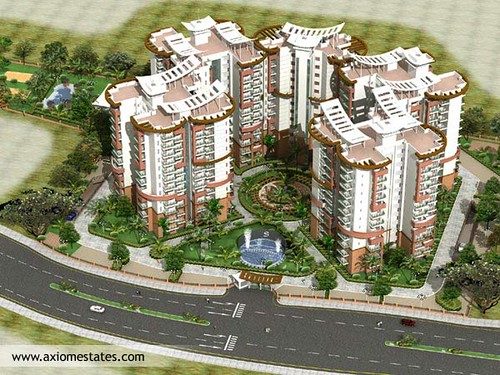
Image credit: Bangalore Properties - Real Estate India - Shriram Symphony by nancyarora2020 via flickr (BY-SA 2.0), sourced through Openverse.
Written by
Rajesh Tiwari
Real estate analyst covering property markets across Delhi NCR, Mumbai, and Bangalore. Rajesh tracks pricing trends, RERA compliance, and investment opportunities for residential and commercial buyers.
Looking for a technology partner?
From IT consulting to virtual office to custom software — eDarpan can help.
Continue reading
Rent or Buy in Dwarka 2026: Break-Even Math for Delhi-NCR Buyers
Should you rent or buy in Dwarka in 2026? This break-even guide walks through the full ownership cost, down-payment opportunity cost, and a worked example to find your real answer.
Delhi-NCR Home Prices Up 12%: Rent or Buy in 2026? A Break-Even Guide
Home prices are up 12%, but is buying still smarter than renting? A break-even guide to the real costs of owning in Delhi-NCR.
Property Prices Up in 2026: Should You Buy Now or Wait for 2027?
Property prices rose through 2026 while sales softened in some areas. Here's how to decide between buying now or waiting, using your own numbers rather than forecasts.