Premium Homes in NCR 2026: Buy for Living or Investing?
Is a premium NCR home a place to live or a store of value? A number-first guide to premiums, rental yields and resale liquidity before you buy.
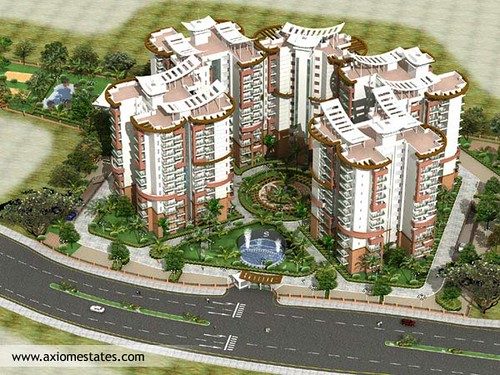
Every festive season, developers in Gurgaon, Noida and Greater Noida announce launches with the same pitch: sea-facing-style skylines, clubhouses with infinity pools, and prices that rise faster than the monsoon. Buyers feel the pressure. A family that has been renting in Sector 50 for eight years watches a 3BHK in a branded society climb by ₹40 lakh in eighteen months and wonders whether they missed the train. An investor with ₹1.2 crore in liquid savings wonders whether a premium flat is a store of value or an expensive ornament.
Both questions deserve a number-first answer, not a sales brochure. This post walks through how to decide whether a premium home in NCR in 2026 is a place to live, a place to park money, or, in some cases, neither. We will compare price premiums, rental yields and resale liquidity, work through a realistic buyer example, and end with a checklist you can take to a broker, a bank, or your own spreadsheet.
Key Takeaways
- A premium-society premium of 20 to 35 percent over a comparable non-branded project is common in NCR, and it does not always translate into higher rent or faster resale.
- Gross rental yields for premium flats in NCR typically sit well below 3 percent, so you must underwrite the purchase on capital appreciation and personal use, not cash flow.
- Resale liquidity is driven by ticket size and micro-location. A ₹3 crore flat in a sub-market with thin buyer demand can take a year or more to sell.
- Model total cost, not sticker price: stamp duty, registration, GST on under-construction flats, society maintenance, interest on the loan, and the opportunity cost of your down payment.
- If you will stay seven years or more and value the lifestyle, buy for living. If you need the asset to outperform in five years, the numbers are tighter than the marketing suggests.
Is a premium home in NCR a good buy in 2026? Start with the problem you are actually solving
Most buyers conflate three different goals: a home to live in, a rental asset, and a wealth-building vehicle. A flat can serve one well and the others poorly. Before any spreadsheet, write down which goal dominates. If your honest answer is "I want my children in a good school district and a shorter commute, and I want a home I'm proud of," you are buying for living, and the investment case is a bonus, not the reason.
If your answer is "I want my ₹1.5 crore to beat fixed deposits and a Nifty index fund after tax," then a premium flat is a leveraged bet on a specific micro-market, and you should be far more skeptical of the premium itself.
The premium is partly brand, partly real
Branded developers in NCR do deliver real differences: better construction quality in some cases, managed facilities, clearer title and approvals, and a resident base that keeps the society well maintained. These matter. But the premium you pay also covers marketing spend, the cost of land bought at peak prices, and margin. When you compare two projects, separate the portion you are paying for tangible specification from the portion you are paying for the name. A simple test: list the five specifications that would change your daily life, then ask whether the price gap is justified by those five alone.
What is the real rental yield on premium flats in Noida and Gurgaon?
Rental yield is where investment narratives most often go wrong. A premium 3BHK in a well-known society might list at ₹1.4 lakh per month in rent. That looks attractive until you put it against a purchase price of ₹3 crore: ₹16.8 lakh annual rent is a gross yield of 5.6 percent. In practice, the numbers look different.
Use this sequence to get to a realistic net figure.
- Start with realistic rent, not the best listing. Check at least ten recent rental listings and tenant deals in the same tower or sub-cluster, not asking prices on portals. Discount asking rents by 5 to 10 percent for negotiation.
- Deduct vacancy. Plan for one to two months empty per year, more if the flat is in a sub-market where supply is growing faster than demand.
- Deduct maintenance. Society maintenance for premium projects in NCR often runs ₹6 to ₹12 per square foot per month. For a 2,000 sq ft flat, that is ₹12,000 to ₹24,000 a month, which many owners forget to model.
- Deduct property tax, insurance, and repairs. Budget 1 to 2 percent of the property value annually for repairs and replacements over a long hold.
- Deduct income tax on rent. Rental income is taxed at your slab rate after a standard deduction of 30 percent on the annual rent. For someone in the 30 percent bracket, this materially reduces net yield.
Once you do this honestly, many premium flats in NCR come out with net yields between roughly 2 and 3 percent, sometimes less. That is below a home loan rate in most years and well below what a debt fund has delivered in much of the recent period. The case for renting out a premium flat therefore rests on expected capital appreciation, not cash flow.
Pro tip: model the loan, not just the rent
Investors often compare gross rent to the EMI and conclude the property is "self-funding." Run the full cash flow instead. On a ₹2.4 crore loan at around 8.5 percent over twenty years, the monthly EMI is roughly ₹2 lakh. Most premium rentals will not cover that, so you are topping up every month. Your real question is whether capital appreciation over your holding period, net of transaction costs and interest, beats the return on the cash you would have invested elsewhere. Write that comparison down before you sign.
How liquid is a premium flat when you need to sell?
Liquidity is the most underrated risk in luxury real estate. In equities you can sell a block in minutes. In NCR premium housing, you may need a qualified buyer with a loan approved at a specific ticket size, a registrar slot, a clean title chain, and patience. A ₹4 crore flat has a much smaller pool of eligible buyers than a ₹60 lakh flat.
Three factors drive resale speed in practice:
- Ticket size. Higher-priced units have fewer buyers who can finance them without a large down payment. Mid-premium ranges often move faster than the very top end.
- Micro-location and connectivity. Proximity to a functioning metro station, a major employment cluster, and good schools matters more than the society's brand name. Keep an eye on corridors where metro expansion is confirmed rather than merely announced.
- Society health. Maintenance arrears, pending litigation, unresolved power backup or lift issues, and a poorly run resident association all depress resale value and slow sales. Buyers' lawyers will check these.
Before buying, ask a broker for three real resale transactions in the same society over the last twelve months, with the time from listing to registration. If none exist, that tells you something.
Buying for living versus investing: a worked example
Consider a hypothetical but realistic case. A couple in their late thirties, both working in Gurgaon, currently pay ₹55,000 a month to rent a 2BHK near Sector 56. They have ₹1.1 crore in liquid savings and a combined income that supports a loan of around ₹1.8 crore. They are weighing a premium 3BHK of about 2,000 square feet in a branded society in Sohna Road for ₹2.9 crore, against a more modest 2BHK of about 1,100 square feet in a mid-tier project nearby at ₹1.35 crore.
Their mistake, common in such comparisons, would be to frame it as "premium is better" or "premium is a rip-off" without numbers. A structured comparison looks like this:
| Criterion | Premium 3BHK (₹2.9 cr) | Mid-tier 2BHK (₹1.35 cr) | Rent 2BHK (current) |
|---|---|---|---|
| Down payment (20%) | ₹58 lakh | ₹27 lakh | Nil |
| Stamp duty and registration (approx. 6 to 7%) | ₹18 to ₹20 lakh | ₹8 to ₹9 lakh | Nil |
| Monthly EMI (approx., 20 years at 8.5%) | About ₹2.4 lakh | About ₹1.1 lakh | Rent ₹55,000 |
| Monthly maintenance (estimated) | ₹20,000 to ₹24,000 | ₹8,000 to ₹10,000 | Included in rent |
| Expected rental yield (net, pre-tax) | About 2 to 2.5% | About 3% | Not applicable |
| Resale liquidity | Slower, narrower buyer pool | Faster, broader pool | Not applicable |
The table makes the trade-off visible. The premium flat demands roughly ₹58 lakh of down payment, leaving them with little liquidity and a monthly outflow that consumes most of their surplus. The mid-tier option is more affordable and more liquid, and its rental yield is better. If they buy the premium flat, they are paying for lifestyle and a bet on future appreciation in a specific, slower-to-sell segment.
For this couple, the sensible path is probably the mid-tier 2BHK, with the remaining savings held as an emergency fund and a diversified investment, unless they can clearly articulate why they will stay in the premium home for at least a decade and value the specification enough to justify the leverage.
Common mistake: ignoring the opportunity cost of the down payment
Buyers often compare a flat's appreciation against zero, forgetting that the ₹58 lakh down payment could otherwise earn a return. Over ten years, a difference of even 3 to 4 percentage points a year on that sum compounds into a substantial figure. Always compare the purchase against a realistic alternative, not against doing nothing.
What does buying a premium flat in NCR actually cost, step by step?
Sticker price understates the real outlay. A practical sequence for buyers:
- Verify the approvals. For under-construction flats, check RERA registration on the relevant state portal (HRERA for Haryana, UPRERA for Uttar Pradesh), the sanctioned plan, environmental clearance where applicable, and the completion timeline. Delays of a year or more are common, and your home loan will be disbursed in stages tied to construction.
- Calculate GST and registration correctly. Under-construction residential property attracts GST at a reduced effective rate (1 percent for affordable segments and 5 percent for others, with input tax credit conditions, as per the rules in force), and the rules have been subject to change, so confirm the current rate with your developer in writing. Stamp duty and registration vary by state and are typically a substantial percentage of the value, so budget for them separately from the down payment.
- Get the loan pre-sanctioned, but read the terms. Compare floating rates, processing fees, prepayment penalties, and whether the bank will disburse against construction-linked milestones. Your lawyer should review the agreement for sale and the builder-buyer agreement before you pay any significant amount.
- Budget for the one-time costs. Interior work, modular kitchens, appliances, society membership or club charges, power backup installation, and legal fees commonly add 5 to 10 percent on top of the purchase price in a premium flat.
- Keep a six-month emergency fund after all of this. If you empty your savings to close the deal, a single job change or medical event can turn a home into a financial stress point.
Pro tip: negotiate the non-price items
Developers in slower phases often give more flexibility on parking allocation, club membership fees, a second parking slot, or waiver of certain charges than on headline price. Ask for these in writing. A ₹3 lakh concession on club charges is real money, and it is easier to win than a 5 percent price cut.
How should a business owner or self-employed buyer approach this decision?
Self-employed buyers and business owners face a particular challenge: income that fluctuates, and often a company or proprietorship balance sheet that banks scrutinize closely. If you run an MSME, your personal decision and your business cash flow are linked. Before committing ₹2 to 3 crore to a home, make sure your working capital is not being quietly drawn down to service the purchase. Lenders will ask for ITRs and audited statements for several years, and a year of depressed profit can reduce your loan eligibility at the exact moment you need it.
Keep personal and business banking separate, document any loan against business assets clearly, and consult a chartered accountant on how the purchase interacts with your GST filings, advance tax, and any planned business expansion. Many founders who run lean operations with eDarpan's cloud and accounting tooling already track cash flow carefully. Apply the same discipline to the home decision: model it as a line item in your financial plan, not a separate fantasy.
Which premium housing options should you compare before deciding?
Rather than comparing abstract categories, shortlist three to five concrete options and score them on the same criteria. The table below is a template you can adapt; populate it with live quotes from developers and recent transaction data.
| Option | Typical ticket size | Rental yield (net, indicative) | Resale liquidity | Best suited for |
|---|---|---|---|---|
| Branded premium society, prime sub-market | ₹2.5 to ₹5 crore+ | About 2 to 2.5% | Moderate, narrow buyer pool | Buyers who want lifestyle and long hold |
| Mid-premium project near metro | ₹1.2 to ₹2 crore | About 2.5 to 3.5% | Better, broader pool | Balanced living and modest investment |
| Ready-to-move resale flat in established society | ₹1 to ₹2 crore | About 2.5 to 3.5% | Good, no construction risk | Buyers who want to move in quickly |
| Under-construction premium in emerging corridor | ₹1.5 to ₹3 crore | Variable, often low until possession | Low until completion | Long-horizon investors with patience |
| Plot or land in developing area | Varies widely | Not applicable | Variable, depends on approvals | Investors with due diligence capacity |
Yield figures are indicative and should be verified against current listings and transactions in your target micro-market. For a deeper look at the plot-versus-flat trade-off in Dwarka, see our piece on Dwarka flat or Dwarka plot: buyer math for NCR investors in 2026, and for the rent-versus-buy comparison in Noida, read Rent vs buy in Noida 2026: real yields after price surges.
Should you buy now or wait? Checking the timing question
No one can time NCR property reliably, and anyone who claims to be certain about the next twelve months is selling something. A more useful question is whether your own finances and timeline make the purchase sensible regardless of the market. Price momentum in premium segments can persist, but it can also stall after a festive-season launch cycle ends. If the decision only works if prices keep rising at the recent pace, it is fragile.
For a broader framework on whether prices are outpacing incomes, read Home prices outpacing salaries: should Indian buyers stop waiting in 2026?. The short version: if the purchase is affordable at a conservative interest rate and you would be comfortable if prices were flat for five years, the timing risk is manageable. If it is only affordable under optimistic assumptions, wait or buy something smaller.
What home loan structure keeps a premium purchase safe?
Financing decides whether a premium flat is a comfortable choice or a constant squeeze. Keep your total EMI, including the home loan and any other debt, to a level you could sustain through a 20 percent drop in income. Many advisers use a ceiling of around 40 to 50 percent of take-home pay for total EMIs, though your own situation should set the number. Consider a shorter tenure if your cash flow allows, because interest savings compound, and avoid stretching to the maximum loan a bank will sanction. Lenders will approve more than prudence recommends.
Ask about balance transfer options if rates fall, and check how floating-rate resets will affect your EMI. For a fuller discussion of affordability in the NCR context, see Who pays for NCR property rises? Home loan math for 2026.
Pro tip: set decision rules before you fall in love with a flat
Premium showrooms are designed to create emotional momentum. The best defense is a written set of rules you agree with yourself before visiting. For example: maximum all-in price, minimum liquid reserve after closing, maximum EMI as a share of take-home pay, a minimum holding period, and a walk-away condition if the society's approvals or maintenance record fail verification. Bring this list to every site visit. Buyers who do this avoid most of the regret that follows a premium impulse purchase.
Is a premium NCR home a living choice or an investment? A practical checklist
Use this checklist to make the call. If most answers point to living, buy for living and treat any appreciation as upside. If most point to investing, test whether the numbers really work before committing.
- Will you live in the home for at least seven to ten years?
- Does the specification and location improve your daily life enough to justify the extra cost over a mid-tier option?
- Can you afford the EMI and maintenance comfortably if your income fell by 20 percent?
- Do you have at least six months of expenses in liquid reserves after the purchase and all one-time costs?
- Have you verified RERA status, approvals, title chain, and recent resale transactions in the society?
- Have you modelled net rental yield after tax, vacancy, and maintenance, not gross rent?
- Have you compared the down payment against a realistic alternative return?
- Are your personal and business finances separated, and will the purchase leave working capital intact?
Frequently asked questions
Is buying a premium flat in Gurgaon or Noida a good investment in 2026?
It can be, but the returns depend heavily on purchase price, micro-location, and your holding period. Net rental yields for premium flats are usually modest, so most of the case rests on capital appreciation. Underwrite the purchase conservatively and compare it against other uses of your down payment.
What is a reasonable rental yield for a premium flat in NCR?
After vacancy, maintenance, repairs, and tax, net yields for many premium flats in NCR fall in the range of roughly 2 to 3 percent, though this varies by society and location. Gross yields look higher and can mislead, so always model the net figure.
How long does it take to sell a premium flat in Noida or Gurgaon?
Timelines vary widely by ticket size, micro-location, and market conditions. Higher-ticket flats often take longer because the pool of qualified buyers is smaller. Ask a broker for recent resale timelines in the specific society before you buy.
Should I buy an under-construction premium flat or a ready-to-move one?
Under-construction flats can offer lower prices and staged payments, but they carry delay risk and may not produce rent until possession. Ready-to-move flats cost more upfront but let you verify quality and start earning or living in the home sooner. Your choice should depend on how much timing risk you can tolerate.
How much down payment do I need for a premium home in NCR?
Banks typically finance up to a percentage of the property value, so you should expect to pay at least 20 percent from your own funds, plus stamp duty, registration, GST where applicable, and one-time costs. The true cash requirement is usually higher than people expect, so budget for the full amount.
Does a premium society always mean better resale value?
Not always. Brand and amenities help, but micro-location, society governance, maintenance record, and ticket-size liquidity often matter as much. Compare recent resale transactions in the same society rather than assuming the brand guarantees appreciation.
Can a business owner buy a premium flat without hurting the company?
Yes, if the purchase is funded from sources that do not drain working capital and the EMI is affordable on personal income alone. Keep personal and business accounts separate, and have your chartered accountant review the impact on advance tax, GST filings, and any business loans.
Where eDarpan can help
If you are weighing a premium purchase, the decision touches several areas where we work with businesses and individuals every week: cash flow modelling, document organisation, and the paperwork that comes with a property deal. Our team can support the financ
Image credit: Bangalore Properties - Real Estate India - Shriram Symphony by nancyarora2020 via flickr (BY-SA 2.0), sourced through Openverse.
Written by
Rajesh Tiwari
Real estate analyst covering property markets across Delhi NCR, Mumbai, and Bangalore. Rajesh tracks pricing trends, RERA compliance, and investment opportunities for residential and commercial buyers.
Looking for a technology partner?
From IT consulting to virtual office to custom software — eDarpan can help.
Continue reading
Rent vs Buy in Noida 2026: Real Yields After Price Surges
Noida prices keep climbing, but is buying still smarter than renting? Here's a number-driven breakdown of yields, EMIs, break-even and hidden costs for 2026.
Home Prices Outpacing Salaries: Should Indian Buyers Stop Waiting in 2026?
Home prices are outpacing salaries across Indian metros. Here's how to test whether buying now beats renting, using price-to-income ratios and a rent-vs-buy break-even.
Dwarka Flat or Dwarka Plot? Buyer Math for NCR Investors in 2026
Flat or plot in Dwarka? Hidden costs in GST, stamp duty and construction change the math. See how the answer shifts across 5, 10 and 15-year holds.