Dwarka Flat or Dwarka Plot? Buyer Math for NCR Investors in 2026
Flat or plot in Dwarka? Hidden costs in GST, stamp duty and construction change the math. See how the answer shifts across 5, 10 and 15-year holds.
Most first-time buyers in Delhi-NCR run the same mental arithmetic: take the price per square foot, multiply by the carpet area on the brochure, and decide. That approach misses almost everything that matters. A flat in Dwarka and a plot in the same sector can look similar on a spreadsheet and behave completely differently over a ten-year hold. The gap shows up in stamp duty, construction-linked payment schedules, GST on under-construction flats, the cost of getting a house built, and how the asset resells.
Consider a salaried professional with ₹1.2 crore to deploy who is weighing a 3BHK in a builder society against a 150-square-yard residential plot. The brochure numbers suggest the plot is cheaper per square foot, but once you add construction, approvals, and the time value of money, the answer changes depending on how long you plan to hold and whether you intend to live in the property. This post walks through that math properly, so you can decide where your rupee goes furthest in the Dwarka property investment 2026 market.
Key Takeaways
- A flat's headline rate is not its real cost. Add GST (currently 5% on affordable under-construction units, 1% under the reduced scheme where applicable, and 5% in most other cases; confirm with your builder's invoice), registration, and maintenance deposits to get the true landed price.
- A plot has lower entry friction but adds construction cost, approval timelines, and a second capital event that flats do not have.
- Plots in Dwarka's developed sectors often appreciate more slowly per year than well-located flats in the short run, but they can outperform on a 12 to 15 year horizon if the land is held cleanly and the plot is in a regularised layout.
- Check the Dwarka Sub-City Development Board and DDA status before paying any token. Title and land-use clarity matter more than the price per square yard.
- Model three scenarios (sell in 5 years, sell in 10, live in it) rather than one. The best choice flips depending on the hold period.
Why the Dwarka Property Investment 2026 Decision Is Different From Other NCR Corridors
Dwarka is not one market. It is a planned sub-city carved out by the DDA, and its sectors range from older, mature neighbourhoods near Dwarka Sector 6 and Sector 7 to newer pockets around Sector 21, Sector 22, and the Dwarka Expressway-facing stretches. The Dwarka Expressway and the Metro Line (Blue Line, with the Dwarka Sector 21 interchange) have changed the connectivity picture, and the metro corridor analysis in our piece on Metro Expansion 2026: Which NCR Corridors Are Worth Buying Into covers the broader pattern. For Dwarka specifically, read Metro Corridors and Dwarka Property Prices: What NCR Buyers Should Check alongside this article.
The reason this matters for the flat-versus-plot question is that a flat near a station behaves very differently from a plot twenty minutes away by auto. Connectivity premiums are real, and they tend to be captured in flat prices faster than in raw land, where liquidity is thinner and transactions are lumpier.
Worked Example: The Landed Cost of a Flat Versus a Plot
Let us compare two options with the same notional budget. Option A is a 1,450 sq ft (carpet is lower, but we use super built-up as the builder quotes it) 3BHK under construction in a Dwarka society at ₹8,500 per sq ft basic rate. Option B is a 150 sq yard (1,350 sq ft) residential plot in a developed sector at ₹1.1 lakh per sq yard, which is a realistic illustrative figure rather than a market quote, so verify current circle rates and actual transactions before relying on it.
| Cost Head | Option A: Flat (under construction) | Option B: Plot (150 sq yd) |
|---|---|---|
| Basic price | ₹1,23,25,000 (1,450 sq ft × ₹8,500) | ₹1,65,00,000 (150 sq yd × ₹1.1 lakh) |
| GST / indirect taxes | About ₹6.16 lakh at 5% (verify applicable rate on the invoice) | Nil on plot sale, but stamp duty applies on registration |
| Stamp duty (Delhi-NCR, indicative) | Charged on the value determined under the applicable circle rate, typically around 6% for women buyers in some jurisdictions and 6 to 6.5% generally; confirm for your state | Similar percentage, often on the higher of circle rate or price paid |
| Registration fee | Usually 1% of property value, subject to a cap | Same structure |
| Construction cost (if building a house) | Not applicable | About ₹2,200 to ₹2,800 per sq ft for a 2-floor build in Delhi-NCR, so roughly ₹35 to ₹45 lakh for 1,800 sq ft built-up (costs vary by specification) |
| Approval and professional fees | Minimal, handled by builder | Architect, structural engineer, MCD sanction, completion: roughly 3 to 5% of construction |
| Time to possession or occupancy | Typically 2 to 4 years under RERA-registered projects | 6 to 12 months to construct, plus approval lead time |
The plot looks more expensive upfront, but you are buying land plus a deferred construction decision. That deferred decision is where most of the cost surprises sit.
Cost per square foot, properly calculated
The honest comparison uses total cost divided by usable, livable area, not the plot's land area divided by its price. For Option B, once you add roughly ₹40 lakh for construction and ₹6 lakh for fees and approvals, your all-in cost is around ₹2.11 crore for 1,800 sq ft of built-up area, which is about ₹11,700 per sq ft. Option A works out to roughly ₹8,500 plus taxes and charges, around ₹9,200 per sq ft, before any interior or society maintenance deposits.
So on pure cost per livable square foot, the flat usually wins for a buyer who does not want to manage construction. The plot wins on a different axis: land is a scarce asset, and it does not depreciate physically the way a building does.
How Do Plots and Flats Compare on Appreciation?
Appreciation is where people get the most confused. Flats in Dwarka have historically shown steadier price movement tied to demand from end-users, but their building component ages and their resale price is capped by society maintenance, redevelopment cycles, and the broader supply pipeline. Plots, especially in regularised layouts, can appreciate more on the land component because the land itself is finite, but liquidity is thinner, and the buyer pool is narrower.
Two things most investors miss. First, a plot's appreciation shows up only when you sell, so you are carrying an illiquid asset with no rental yield unless you build and let it. Second, a flat's rental yield, while modest, partly offsets your holding cost. If you plan to rent, read Delhi-NCR Property Tax on Rental Income: What Landlords Must Know in 2026 before you model net yield, because TDS and tax treatment change the answer.
A simple five-year and ten-year model
- Assume an entry cost for each option, including all charges from the table above.
- Assume an annual capital appreciation rate for each option. Use conservative, differentiated figures, not one number for both. Document the source of each assumption.
- For the flat, add net rental yield after maintenance, property tax, and vacancy. For the plot, add nothing unless you build and rent.
- Subtract selling costs (brokerage, capital gains tax on long-term gains, and any stamp duty you will bear again if you are the seller in certain structures). Take the current long-term capital gains rules from a qualified tax advisor, since the rules change.
- Run the model at five years and ten years. The ranking often flips.
In most scenarios we have modelled for clients, the flat wins at the five-year mark because the entry is cleaner and the sale is faster. The plot can win at twelve to fifteen years if you hold it cleanly, avoid litigation, and eventually sell to a buyer who wants to build. That is a patient bet, not a default.
What Documents and Checks Should Come First?
Before paying any token amount, verify the following. These steps are not optional, and skipping them is how buyers end up in disputes that take years to resolve.
- Confirm the land-use status with the DDA or the relevant authority, and check whether the sector is fully developed or still awaiting infrastructure.
- Pull the title chain. For plots, ask for at least thirty years of sale deeds, mutation records, and the khasra or plot number matched against revenue records.
- For flats, check RERA registration on the state portal. Confirm the project number, the sanctioned plan, and the completion date committed to buyers.
- Verify encumbrances through an independent search, not just the seller's assurance. A loan search is worth doing even if the seller says it is clear.
- Confirm the applicable GST rate and whether it is included or extra in the quoted price. Ask the builder for the invoice breakdown in writing.
- Get the payment schedule linked to construction stages and ensure it matches what is permitted under RERA.
Pro Tip: Many buyers ask for the circle rate and assume it is the stamp duty base. In practice, the stamp duty base is the higher of the circle rate and the consideration actually paid, so a deal recorded at a discount to the circle rate can still be assessed on the circle rate. Ask your registration advisor to confirm the assessment basis before you agree the price, because a plot deal recorded below market can trigger an unexpected stamp duty bill at registration.
Common Mistakes Investors Make in Dwarka
The most expensive mistake is buying a plot in an area with unclear regularisation and assuming the paperwork will sort itself out later. It rarely does, and the cost of fixing a title defect often exceeds the discount you got on the price.
The second mistake is comparing a flat's carpet area with a plot's land area. Carpet area excludes walls and balconies, super built-up includes common areas, and land area includes everything you cannot live in. Compare on the same basis, and always convert to cost per livable square foot.
The third mistake is ignoring the time cost of a plot. If you buy land today and build in three years, that money sat idle. Factor in the opportunity cost at your actual alternative return, not at zero.
Is a Dwarka Plot or Flat Better for a First-Time Buyer?
For most first-time buyers who want to live in the property within the next few years, a RERA-registered flat with a clear completion timeline is the simpler path. Its total cost is more predictable, its legal risk is lower if you check the documents, and you avoid managing contractors. A plot suits buyers who have the time, the construction budget, the patience, and a horizon measured in decades.
If you are considering both, run your own numbers using the framework above, and get an independent review of the documents before committing. Our team at eDarpan can help you structure the comparison, and if you are looking at specific options, you can browse current listings on our properties for sale in India page or explore the broader eDarpan Properties platform. If you are a business or investor who wants to set up a holding entity, a virtual office address for GST and company registration can be a practical starting point, and our IT consulting team can help you build simple tracking tools for portfolio returns. For anything specific to your situation, contact eDarpan and we will walk through it with you.
Frequently Asked Questions
Is buying a flat in Dwarka better than buying a plot for investment?
It depends on your holding period and whether you want to live in or build on the property. Flats generally offer lower entry friction and faster resale, while plots can outperform over a long horizon if the title is clean and the location improves.
What is the GST on under-construction flats in Dwarka?
Rates depend on the scheme and project category, so you should confirm the exact rate on the builder's invoice and check it against current government notifications. Ask for the breakdown in writing before you pay.
How much does it cost to build a house on a 150 sq yard plot in Delhi-NCR?
Construction costs in Delhi-NCR commonly run in the range of ₹2,200 to ₹2,800 per sq ft depending on specification, so a two-floor build of around 1,800 sq ft can cost roughly ₹35 to ₹50 lakh, plus approval and professional fees. Get itemised quotes from two or three contractors.
Do I need RERA registration to buy a flat in Dwarka?
For projects that fall under RERA, yes, and you should verify the registration number on the state RERA portal before paying. Registration gives you a legal framework for timelines, refunds, and disclosures.
Is stamp duty higher on a plot than on a flat?
Stamp duty is generally charged as a percentage of the assessed value, which may be the circle rate or the consideration paid, whichever is higher. The percentage is similar for plots and flats, so the difference comes down to the assessed value. Confirm the assessment basis with your registration advisor.
Can I get a home loan for a plot in Dwarka?
Many lenders offer plot loans, but terms are usually stricter than for flats, with lower loan-to-value ratios and a requirement to begin construction within a set period. Compare offers and check whether the lender requires an approved building plan.
What is the best way to verify a Dwarka property's title?
Engage a qualified property lawyer to review the title chain, mutation records, and encumbrance search, and cross-check the plot or flat details against revenue and DDA records. Do not rely on the seller's documents alone.
Written by
Rajesh Tiwari
Real estate analyst covering property markets across Delhi NCR, Mumbai, and Bangalore. Rajesh tracks pricing trends, RERA compliance, and investment opportunities for residential and commercial buyers.
Looking for a technology partner?
From IT consulting to virtual office to custom software — eDarpan can help.
Continue reading
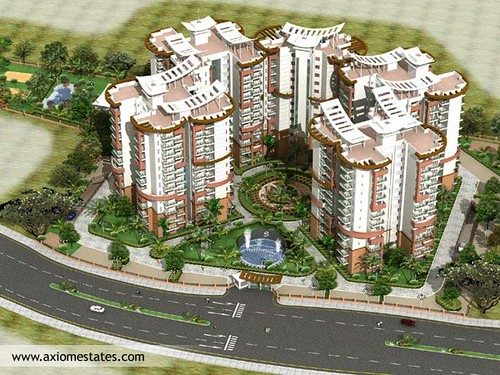
Metro Expansion 2026: Which NCR Corridors Are Worth Buying Into
Metro expansion sells property across the NCR, but not every corridor will move values. Learn which verifiable signals separate real returns from speculative hype before you buy.
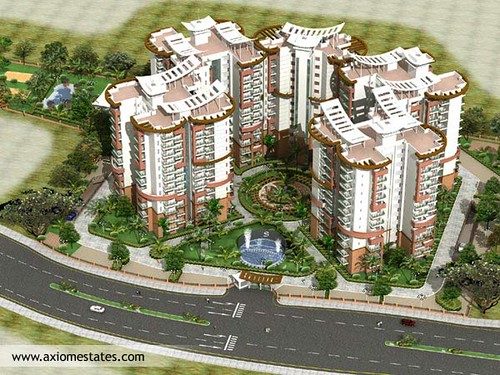
Who Pays for NCR Property Rises? Home Loan Math for 2026
Property prices in Delhi-NCR keep climbing, but EMIs can climb faster. See how price rises, construction costs and rates shape what you can really afford.
Metro Corridors and Dwarka Property Prices: What NCR Buyers Should Check
Will new metro corridors justify paying more for Dwarka flats today? Here's how to separate real price drivers from speculative premiums before you buy.