Branded Residences in India 2026: Are They Worth the Premium
Are branded residences in India worth the 25-60% premium? A buyer's guide to service tiers, hidden costs, resale value, and fine print red flags.
Here's a conversation I've had more times than I can count. A client walks into a sales gallery in Worli or Golf Course Road, gets shown a marble lobby with a hotel logo on the wall, and comes out convinced they're about to buy something extraordinary. Then they see the price. A branded 3BHK is quoting ₹18 crore when a genuinely nice, non-branded luxury flat two towers over is ₹11 crore. The question they ask me is always the same: "Is the extra seven crore actually buying me anything, or am I paying for the logo?"
The honest answer is: sometimes yes, often no, and the difference comes down to details most buyers never check. The branded residences India segment has grown faster than almost any other luxury real estate category. India now ranks among the top ten countries globally for branded residence pipelines, with projects tied to names like Trump, Four Seasons, Ritz-Carlton, St. Regis, and Marriott landing in Mumbai, Gurugram, Pune, and Bengaluru. Some of these will genuinely hold and grow value. A meaningful number will not.
This post is written for buyers spending real money. I'll walk you through what the premium actually pays for, where developers quietly cut corners, a real cost breakdown, how to read the fine print on brand licensing agreements, and a checklist you can take into your next site visit. No brochure language.
Key Takeaways
- A branded residence premium of 25–35% over comparable luxury is defensible. Beyond 60%, you're usually funding the brand's marketing, not your asset value.
- Most "branded" projects in India are brand-managed or merely brand-licensed. The difference dramatically affects service quality and resale.
- Recurring costs are the real trap: expect ₹18–35/sq ft/month in maintenance versus ₹8–15 for regular luxury, plus club and service fees.
- Verify the brand agreement term and exit clause. Many licenses expire in 10–20 years, after which your "branded" home is just an old luxury flat.
- Rental yields on branded residences run 3–4.5% gross in prime cities, which is fine for lifestyle buyers but weak for pure investors.
- Always cross-check RERA registration, escrow compliance, and the actual operator contract before paying booking amount.
What exactly makes a residence "branded" in India?
People assume "branded" means a hotel is attached. That's only one model. In practice there are three distinct arrangements, and they're often deliberately blurred in the sales pitch.
Brand-operated (hotel-serviced): A hospitality operator like Four Seasons or St. Regis actually runs the building's services, staff, housekeeping, concierge, and standards. This is the real thing. You get hotel-grade service and, often, the option to place your unit in a rental pool.
Brand-managed (non-hotel): A brand like Trump or Armani/Casa lends its name and design language, sets standards, and licenses the property. There may be no attached hotel. Service is delivered by a facility management company held to brand standards. Quality varies with enforcement.
Brand-licensed (name only): The developer pays a licensing fee to slap the name on the tower. The brand has minimal operational involvement. This is where most disappointment happens, because the buyer paid a hotel premium for what is essentially a well-marketed luxury building.
The trouble is that a licensed project and an operated project can look identical in the brochure. Both show the logo. Both promise "world-class living." Only one has a binding service standard you can actually enforce.
Pro Tip: Ask for the exact legal name of the operator entity and a copy of the Hotel Management Agreement or Brand Licensing Agreement. If the developer says it's "confidential," treat that as a red flag. The material terms, especially the term length and service scope, must be disclosed under RERA in the project documents. If they can show a genuine operator, they'll want to.
What do you actually pay for the branded residences India premium?
Let me put real numbers behind this, because the abstract "20 to 40% premium" figure hides a lot. The premium isn't just the sticker price. It's stacked across four layers.
- Purchase premium: Typically 25–70% over a comparable non-branded luxury unit in the same micro-market.
- Maintenance (CAM): ₹18–35 per sq ft per month, versus ₹8–15 for standard luxury. On a 3,500 sq ft flat that's ₹63,000–₹1.2 lakh a month.
- Service and club fees: Concierge, housekeeping packages, and club memberships often billed separately, ₹1.5–6 lakh per year.
- GST and stamp duty on a higher base: Under-construction units attract 5% GST (no input credit for buyers), and stamp duty of 5–7% applies to the full higher value.
So the premium compounds. A ₹7 crore price difference on a Mumbai unit also means roughly ₹35–49 lakh extra in stamp duty and a materially higher annual carrying cost for as long as you own it.
A worked example: two flats, same neighbourhood
Consider a real-world style comparison in Gurugram's Golf Course Road corridor. A buyer was deciding between a branded 3,600 sq ft residence and a premium non-branded flat of similar size in an adjacent tower.
| Cost component | Branded residence | Non-branded luxury |
|---|---|---|
| Base price | ₹14.4 cr (₹40k/sq ft) | ₹9.9 cr (₹27.5k/sq ft) |
| Stamp duty + registration (~7%) | ₹1.01 cr | ₹69 lakh |
| GST (if under-construction, 5%) | ₹72 lakh | ₹49.5 lakh |
| Monthly maintenance | ₹90,000 (₹25/sq ft) | ₹43,200 (₹12/sq ft) |
| Annual club/service fee | ₹3.5 lakh | ₹1.2 lakh |
| Expected gross rental yield | ~3.5% | ~3.2% |
The branded unit costs roughly ₹4.5 crore more upfront, plus about ₹5.6 lakh more per year to run. Over ten years that recurring gap alone is over ₹56 lakh, before you count the opportunity cost of the extra capital. For that money, the branded building offered a concierge, a hotel-grade gym and spa, valet, in-residence dining, and stricter design controls.
The buyer's decision came down to one question I asked: "Will you actually use the services enough to justify the run rate, and do you believe the brand adds resale value in this specific tower?" For a family that entertains often and values hotel-style service, it made sense. For a pure investor chasing yield, the non-branded flat was clearly the better math. If you want to run this kind of comparison properly, our breakdown in Rent vs Buy a Home in India 2026 uses the same disciplined approach.
Does the brand premium actually hold at resale?
This is where I've seen the most buyer regret. The premium at purchase is real and immediate. The premium at resale is conditional and often overstated.
Branded residences hold value best when three things are true: the operator is a genuine hospitality brand still active in the building, the brand agreement runs long past your holding period, and the micro-market is deep enough to have buyers who understand and want branded product. Prime Mumbai and central Gurugram qualify. Many tier-2 launches do not.
Here's the trap nobody explains at booking: brand licensing agreements have a term. Many run 10, 15, or 20 years. When the agreement lapses and isn't renewed, the logo comes off the building. Your "St. Regis Residence" becomes a well-built but ordinary 20-year-old luxury flat, and the premium you paid evaporates for the next buyer.
Common Mistake: Buyers verify the RERA registration and the builder's track record but never read the term and renewal clause of the brand agreement. If the license expires in year 12 and you plan to sell in year 15, model your exit assuming no brand premium. If the numbers still work, great. If they only work with the brand attached, you're taking a real risk.
What should you verify before paying a booking amount?
Treat a branded residence purchase like a due diligence exercise, not an emotional one. Here's the exact sequence I take clients through.
- Confirm RERA registration. Check the state RERA portal for the project number, approved plans, and completion timeline. Verify the promoter matches the entity you're contracting with.
- Verify escrow compliance. Under RERA, 70% of buyer funds must go into a dedicated project escrow account. Our guide on RERA escrow rules for 2026 shows exactly what to demand and how to confirm it.
- Get the operator model in writing. Operated, managed, or licensed? Ask for the operator's legal name and the agreement's start date, term, and renewal terms.
- Ask for the CAM and service fee schedule. Not "approximately." A per-sq-ft figure, what it includes, and how it escalates annually. Branded CAM commonly escalates 5–8% a year.
- Clarify the rental pool terms, if any. Some operated residences let you place units in a hotel rental pool. Understand the revenue split (often 40–60% to owner), blackout periods, and whether personal use limits apply.
- Model the full carrying cost. Maintenance, club fees, property tax, and insurance for at least a 10-year hold.
- Independent valuation. Commission a valuer to price the underlying real estate without the brand. That's your downside floor.
If any of steps 2, 3, or 4 gets vague answers, slow down. Vagueness at the sales stage becomes disputes after possession.
Are branded residences a good investment or a lifestyle purchase?
Be honest with yourself about which one you are. They serve very different buyers.
Lifestyle buyers want the service, the address, the design, and the ease. If you'll use the concierge, the F&B, the spa, and you value not managing a household staff yourself, the premium buys convenience and a certain status. For this buyer, yield is secondary and the purchase can absolutely be worth it.
Investors should be far more skeptical. Gross rental yields on prime branded residences typically land at 3–4.5%, and net yields after that heavy maintenance are lower still. Capital appreciation depends on the brand holding and the micro-market. Compare that against senior living or premium rental plays. Our pieces on senior living homes as an investment and the broader premium housing shift builders are chasing lay out where the yield actually is.
For NRIs, there's an added layer around repatriation, TDS, and holding structure that materially affects returns. If that's you, read our detailed NRI property investment guide for 2026 before committing, because the tax mechanics can turn a decent deal into a mediocre one.
Which cities and price bands make the most sense in 2026?
Not all markets absorb branded product equally. Here's my read on where the premium is currently most defensible.
- Mumbai (South & BKC): Deepest luxury market, genuine ultra-HNI demand, strongest resale support. Premiums here have the best chance of holding.
- Gurugram (Golf Course Road / DLF corridors): Strong corporate and NRI demand, several credible operated projects. Solid, but be selective on operator credibility.
- Bengaluru (central & north toward the airport): Growing appetite, driven by tech wealth. Yields slightly better; brand depth still maturing.
- Pune, Hyderabad, Goa: Emerging. Lifestyle and second-home logic can work, but resale liquidity for branded product is thinner. Treat these as lifestyle first, investment second.
If you're actively comparing inventory across these markets, eDarpan's property platform lets you screen properties for sale in India and rental options side by side, and our team can filter genuinely branded projects from the merely marketed ones.
How eDarpan helps you buy the right one
The gap between a branded residence that's worth it and one that isn't comes down to verification, and verification is tedious. Reading operator agreements, cross-checking RERA and escrow status, modelling ten-year carrying costs, and getting an independent brand-free valuation is exactly the kind of work most buyers skip in the excitement of a good sales gallery.
Through eDarpan Properties we help affluent buyers and investors do this properly: shortlist credible branded and non-branded options, verify the paperwork, run the real numbers, and negotiate. If you're planning a purchase in the next few months, talk to our property advisory team before you pay any booking amount. A short conversation upfront routinely saves clients from expensive, hard-to-reverse decisions.
Frequently asked questions
Is buying a branded residence in India worth the premium?
It's worth it for lifestyle buyers who will actually use the hotel-grade services and value the address, especially in deep markets like South Mumbai and central Gurugram. For pure investors chasing yield, the 25–70% premium and higher maintenance usually don't justify the ~3–4.5% gross returns.
What is the difference between branded and non-branded luxury apartments?
A branded residence carries a hospitality or fashion brand and, ideally, an operator that enforces service standards through a formal agreement. A non-branded luxury flat can offer identical construction quality without the brand-driven premium and higher recurring fees. The key differentiator is the enforceable service standard, not the finishes.
Do branded residences cost more to maintain?
Yes, significantly. Expect maintenance of ₹18–35 per sq ft per month versus ₹8–15 for standard luxury, plus separate concierge, club, and service fees that can add ₹1.5–6 lakh annually. On a large unit this can exceed ₹1 lakh per month.
What happens when a brand agreement expires?
If the licensing or management agreement isn't renewed, the brand name is removed and the property reverts to an ordinary luxury building. This can erode the brand premium at resale, so always check the agreement's term and renewal clause before buying.
Can NRIs buy branded residences in India?
Yes, NRIs can purchase residential branded residences under FEMA rules using NRE, NRO, or FCNR funds. Repatriation limits, TDS on sale, and holding-period tax treatment apply, so structure the purchase carefully and take advice specific to your residency status.
What rental yield can I expect from a branded residence?
Gross rental yields in prime Indian cities typically range from 3% to 4.5%, and net yields are lower after heavy maintenance. Operated residences with rental pools may offer better occupancy but split revenue with the operator, often 40–60% in the owner's favour.
How do I verify a branded project is legitimate before booking?
Confirm RERA registration and escrow compliance, get the operator's legal name and agreement term in writing, obtain a full CAM and fee schedule, and commission an independent valuation of the property without the brand attached. Vague answers on any of these are a reason to pause.
The bottom line
The branded residences India market is real, growing, and here to stay, but "branded" is not a synonym for "good investment." The premium is defensible when a genuine operator is contractually on the hook, the agreement outlasts your holding period, and the market is deep enough to reward the brand at resale. Where those conditions fail, you're paying a hotel premium for what is really a well-marketed flat.
Decide first whether you're a lifestyle buyer or an investor, because that single distinction changes the entire calculation. Then do the unglamorous work: read the operator agreement, model the ten-year carrying cost, and price the underlying real estate without the logo. If those numbers hold up, the premium can be genuinely worth it. If they only work with the brand attached, walk. When you're ready to evaluate specific projects properly, reach out to eDarpan and we'll help you separate the real thing from the sales pitch.
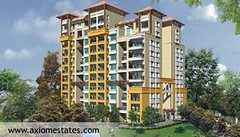
Image credit: Bangalore Properties - Real Estate India - Sterling Terraces by nancyarora2020 via flickr (BY-SA 2.0), sourced through Openverse.
Written by
Rajesh Tiwari
Real estate analyst covering property markets across Delhi NCR, Mumbai, and Bangalore. Rajesh tracks pricing trends, RERA compliance, and investment opportunities for residential and commercial buyers.
Looking for a technology partner?
From IT consulting to virtual office to custom software — eDarpan can help.
Continue reading
Rent vs Buy a Home in India 2026: The Real Math Explained
The real rent vs buy home India 2026 math: worked rupee examples, price-to-rent ratios, and a break-even framework to decide with numbers, not emotion.
RERA Escrow Rules 2026: How Homebuyers Verify Builder Safety
Learn the RERA escrow account rules 2026 and verify builder fund safety in 20 minutes before booking. Spot red flags of fund diversion before you pay.

NRI Property Investment in India 2026: Rules, Tax & Repatriation
A practical 2026 playbook for NRIs: FEMA rules, TDS on buying and selling, repatriation limits, and how to buy remotely without stuck paperwork.