Bhubaneswar Real Estate 2026: Is Eastern India's Growth Worth Investing In?
Is Bhubaneswar a smarter property bet than a cooling Delhi-NCR market? A micro-market checklist, RERA verification steps, and a realistic rental yield model.
A 34-year-old software engineer in Pune wants to buy a 2BHK for ₹75 lakh. Her parents in Cuttack keep asking why she doesn't invest closer to home, since Bhubaneswar apparently "is booming now." Her NRI cousin in Dallas has been sending links to listings in Patia. Meanwhile, her friend in Gurugram has spent eight months watching prices flatten and wonders whether the market is about to turn. Everyone has an opinion. Almost nobody has a checklist.
Here is a number worth sitting with: several Bhubaneswar micro-markets have seen their residential land and apartment rates move substantially over the last five years, while large parts of Delhi-NCR's secondary market have gone sideways or softened since the post-pandemic surge. Those figures vary a lot by locality, and a city-level average hides more than it reveals. Still, the directional story is real enough that first-time buyers and NRIs are asking the question seriously. This post is for them.
We will walk through how to think about Bhubaneswar property investment 2026 against the backdrop of a cooling Delhi-NCR market. You will get a practical checklist for evaluating micro-markets, a RERA verification routine that takes about twenty minutes, a realistic way to model rental yield, and a worked example of an NRI buyer's decision. I have advised clients on property-linked compliance and tech-enabled buying workflows, so I will flag the paperwork traps I see most often, not just the headline growth story.
Key Takeaways
- Judge Bhubaneswar at the micro-market level (Patia, Chandrasekharpur, Jagamara, Khandagiri corridor, and so on), not as one city-wide number.
- Never pay a token or booking amount on a project until you have verified its RERA registration number on the Odisha RERA portal and matched it to the sanctioned plan.
- Compute gross rental yield, then subtract property tax, maintenance, vacancy months, and the cost of management. Rental yields in most Indian metros, including Bhubaneswar, look thinner after this than the listing suggests.
- For NRIs, budget for FEMA reporting, TDS on sale, and the time lag of remitting funds. These are costs, not footnotes.
- Delhi-NCR's softer demand gives buyers negotiating room, but a discount on a stalled project is still a stalled project. Check possession history before you celebrate the price.
- Use a checklist and a written comparison, not gut feel, and get an independent legal title check before any agreement is signed.
Is Bhubaneswar property investment 2026 a better bet than Delhi-NCR right now?
The honest answer is that it depends on what you are optimising for. "Better" is not a single property. It is a combination of entry price, the growth engine behind the demand, liquidity when you want to exit, and how much time you can give the asset.
Bhubaneswar's case rests on a few structural things. It is the administrative and educational hub of Odisha. Institutions like AIIMS Bhubaneswar, the NISER campus, and a growing cluster of IT and services employers have pulled in salaried demand that is not purely speculative. The city has also been expanding outward, with new arterial roads and ring-road connectivity opening up land on the periphery. Entry prices per square foot are still a fraction of comparable Tier-1 micro-markets. That gap is the core of the investment argument: you are buying into a city at an earlier point on its growth curve.
Delhi-NCR's situation is different. The market is mature, deep, and heavily financed. Prices ran up hard, and in several submarkets demand has cooled as affordability got stretched and buyers got more selective. For a buyer, that cooling creates room to negotiate. It does not automatically mean prices will fall further, and some established corridors with strong infrastructure remain resilient. The risk in NCR is less about a crash and more about a flat decade in certain pockets, where your capital sits while inflation erodes it.
The sensible framing is this. Delhi-NCR offers depth, liquidity, and proven rental demand, but a higher entry price and more competition on quality assets. Bhubaneswar offers a lower entry point and earlier-stage appreciation potential, but thinner resale liquidity in some micro-markets and more dependence on specific localities. Neither is universally superior. Your job is to match the market to your holding period and your tolerance for illiquidity.
How do I evaluate a Bhubaneswar micro-market before I buy?
City averages will mislead you. Bhubaneswar's growth has been uneven. A property near a planned sector with completed roads and water supply behaves very differently from one on the edge of a half-built corridor. Use this checklist before you shortlist any locality.
- Road and transit access. Map the distance to the nearest ring road or arterial road, and drive it at peak hours, not on a Sunday morning. A twelve-minute drive on paper can become forty minutes at 6 pm.
- Infrastructure completion, not promises. Check whether roads, drainage, water supply, and power are functional today. Ask residents, not only the broker.
- Employer and institutional anchors. Is there an employment base or institution within a reasonable radius? Rental demand follows people who have jobs and a reason to stay.
- Supply pipeline. Count the number of projects under construction nearby and their expected completion dates. A locality where ten towers deliver in the same year will feel the squeeze on rents and resale.
- Price history in that exact locality. Ask for two or three years of registered transaction values, not asking prices. Registration records via the Odisha registration department and reliable local valuers are better signals than listing portals.
- Civic reputation. Talk to people who live there about water, waterlogging during monsoon, and maintenance quality. These matter more to your daily life and rental appeal than any brochure.
A quick comparison helps when you are deciding between two or three candidate micro-markets. Score each on these criteria rather than relying on one standout feature.
| Criterion | Established central locality | Developing corridor (infra ongoing) | Peripheral sector (early stage) |
|---|---|---|---|
| Entry price per sq ft | Highest | Moderate | Lowest |
| Current rental demand | Strong, steady | Growing, depends on completion | Weak to moderate |
| Resale liquidity | Good | Moderate | Thin |
| Appreciation potential | Moderate, tied to city growth | Higher, if infra delivers on time | Highest but most uncertain |
| Holding period suited | 5+ years | 7+ years | 10+ years, high risk tolerance |
Pro Tip: Ask the broker for the sanctioned layout, then check the road width on it
Many buyers in peripheral areas discover too late that the approved layout shows a road that was never built, or one that is narrower than the marketing material suggests. Before any booking, get the sanctioned plan from the development authority and compare the internal road widths and open-space allocation against what the site shows. This takes an afternoon and has saved clients from very expensive surprises.
What should I verify on RERA registration before paying any booking amount?
RERA, the Real Estate (Regulation and Development) Act, 2016, requires most residential projects above certain size thresholds to register with the state authority. In Odisha, that is the Odisha Real Estate Regulatory Authority. Registration is not a guarantee of quality, but its absence is a serious warning sign, and the registration record gives you a paper trail you can actually check.
- Get the RERA registration number in writing from the developer. Do not accept a verbal assurance or a number printed only on a brochure.
- Verify it on the Odisha RERA portal. Confirm that the project name, promoter name, and location match exactly. Mismatches in the name are a common trap, especially when a developer has rebranded.
- Check the registered completion date and compare it to the agreement. Note how much the date has moved, if it has.
- Review the quarterly progress disclosures that registered projects are required to file. Look for stalled construction, revised timelines, or frequent amendments.
- Confirm the registered carpet area and the number of units against what you have been shown, and make sure the agreement for sale refers to the same registered project.
- Keep a dated copy of the verification you did. If something goes wrong later, you will want to show exactly what the register said at the time you paid.
Stop and walk away if the developer resists giving you the registration number, if the project is unregistered but marketed as "RERA-approved," or if the payment schedule asks for large sums before the sanctioned plan and title are clear. Indian buyers have lost money to exactly these patterns.
Common Mistake: Confusing a project's RERA registration with the title to the land
RERA registration tells you the project is recognised and disclosed. It does not tell you the developer owns clean title to every inch of land. That check belongs to a separate step: an independent title search and encumbrance certificate, reviewed by a local property lawyer. I have seen buyers rely on RERA alone and then find a pending dispute on the land. Do both.
How do I calculate rental yield realistically for a Bhubaneswar flat?
Listing sites love to quote gross rental yield, which is simply annual rent divided by property price. It looks attractive and tells you almost nothing about what you will actually keep. The number that matters is net yield, after the costs that eat into the rent.
Here is the sequence I use when modelling a potential rental:
- Start with realistic monthly rent from comparable listings that have actually been rented, not just advertised. Ask a local agent for recent closed rents in the same tower or within a few hundred metres.
- Annualise it and account for vacancy. Assume at least one to two months of vacancy per year in a developing locality, more if supply is heavy.
- Subtract property tax and municipal charges payable on the asset.
- Subtract maintenance and society charges that you pay as owner, plus any sinking fund contributions.
- Subtract management costs if you use a rental agent, typically a portion of one month's rent, or your own time if you self-manage.
- Account for income tax on rental income under your slab, with standard deduction and interest deduction if you have a home loan on the property.
- Divide the net figure by the total purchase cost, including stamp duty, registration, and brokerage, not just the headline price.
Done honestly, many leased Indian residential properties land in a net yield range that looks modest compared with a fixed deposit, which is why capital appreciation carries most of the return story for buyers in growth cities. That is not a reason to avoid property. It is a reason to be clear about what you are actually buying.
What extra steps apply to NRIs buying property in Bhubaneswar?
NRI buyers face the same project risks as resident buyers, plus a layer of foreign exchange and tax compliance. Missing a step here can mean delays, penalties, or a tax bill you did not plan for.
- Confirm your eligibility to acquire property. Under current FEMA rules, NRIs can generally acquire residential and commercial property in India, but agricultural land and plantation property are restricted. Verify the category before you go further.
- Route funds through proper banking channels. Payments should come from your NRE or NRO account or an approved remittance channel, with documentation that shows the source of funds.
- Plan for TDS on sale. When you sell, the buyer deducts tax at source, and the rate and treatment depend on your residency status and the nature of the gain. Get a tax advisor's view before you list.
- Obtain a Power of Attorney only with care. Many NRI transactions are handled through a registered POA holder. Choose someone you trust, have the document drafted by a qualified lawyer, and keep it limited to the scope you need.
- Budget the time lag. Documents couriered between countries, attestations, and bank approvals can add weeks to a transaction that a resident buyer would finish in days.
How does Delhi-NCR's cooling market change the buyer's negotiating position?
When demand softens, buyers gain leverage. Developers offer better payment plans, waive certain charges, or accept lower prices to move inventory. That is genuinely useful. But be disciplined about it, because a discount can hide a weak asset.
Before you negotiate in NCR or anywhere else, check the developer's delivery history on past projects, the status of any stalled projects in its portfolio, and whether the discounted unit sits in a tower that has had repeated timeline extensions. A 15 percent discount on a project that is two years late costs you two years of rent you are paying elsewhere plus the carrying cost of your capital. The arithmetic often favours the on-time project at full price.
A worked example: a Pune-based engineer evaluating a Bhubaneswar 2BHK
Let us make this concrete. Priya is a software engineer in Pune with ₹25 lakh saved and a home loan eligibility that covers the rest of a ₹75 lakh budget. She is considering a 2BHK in a developing corridor in Bhubaneswar and wants a clear comparison before committing.
Her first step was to request the RERA registration number from the developer. She verified it on the Odisha RERA portal, found that the registered completion date was eighteen months out, and noticed that the registered unit count was slightly lower than the brochure claimed. She asked the developer to explain the difference in writing and received an answer that matched the sanctioned plan, which reassured her.
Second, she modelled the rent. Local agents indicated a monthly rent around ₹18,000 to ₹20,000 for a comparable unit once the area matured, but she used the conservative end of that range and assumed two months of vacancy annually. After subtracting property tax, society maintenance, and a management fee, the net yield came out well below the gross figure on the listing site, which was the number she had first seen.
Third, she compared this against staying in her Pune rented flat and investing the difference. The conclusion was not that Bhubaneswar was a bad buy. It was that the investment case depended on capital appreciation over seven to ten years, and she was comfortable with that horizon. Priya decided to proceed, but only after a separate title check by a local lawyer and a payment schedule linked to verified construction milestones.
The point of the example is not that Priya made the right choice. It is that the decision became deliberate, because every assumption was written down and checked.
Frequently Asked Questions
Is Bhubaneswar a good place to invest in property in 2026?
It can be, particularly for buyers with a holding period of seven years or more and a tolerance for thinner resale liquidity in developing localities. The case rests on lower entry prices, institutional and employment anchors, and infrastructure expansion. Evaluate individual micro-markets rather than the city as a whole.
How do I check if a property in Bhubaneswar is RERA registered?
Ask the developer for the RERA registration number, then verify it on the Odisha Real Estate Regulatory Authority portal. Confirm that the project name, promoter, and location match exactly, and check the registered completion date against your agreement.
What is a good rental yield for property in Bhubaneswar?
Gross yield figures on listing sites are misleading. Net yield after property tax, maintenance, vacancy, and management costs is what matters, and it is usually noticeably lower than the headline number. Model it using recently closed rents from comparable units rather than asking prices.
Can NRIs buy property in Bhubaneswar without problems?
Yes, NRIs can generally acquire residential and commercial property in India under FEMA, but agricultural land and plantation property are restricted. Route payments through proper banking channels, plan for TDS on sale, and use a carefully scoped Power of Attorney if you cannot attend in person.
Should I buy in Delhi-NCR now or wait for prices to fall further?
Timing the market is unreliable. The more useful question is whether a specific project, at a specific price, with a verified developer track record and clean title, fits your holding period and budget. Cooling demand gives you negotiating room, but a discount on a delayed project is not a bargain.
What documents should I check before paying a booking amount?
At minimum: the RERA registration and its matching portal record, the sanctioned layout plan, the title documents and an encumbrance certificate reviewed by a lawyer, the approved construction plan, and the draft agreement for sale. Do not pay significant sums before these are reviewed.
How much do registration and stamp duty add to a property purchase in Odisha?
Stamp duty and registration charges are levied by the state and change periodically, so confirm the current rates with the registration office or your lawyer before you budget. Include them, along with brokerage and legal fees, in your total acquisition cost when you calculate yield.
Where eDarpan fits in
If you are weighing Bhubaneswar against NCR, or sorting out the compliance side of an NRI purchase, you do not have to do all of this alone. Our eDarpan Properties team helps buyers and investors browse verified listings, whether you are looking to buy a home or investment property in India or to find rental properties to test a locality before committing. For the business side of property, including company registration and a registered address for GST, our virtual office service may be useful if you are setting up a holding entity. If you run a firm that wants to digitise its property and client records, our IT consulting team can help you design workflows that reduce paperwork errors. You can also reach out to eDarpan with specific questions, or read more about who we are and how we work.
For a broader view of how these decisions interact with household finances, you may find these related reads helpful: Rent or Buy in Delhi-NCR 2026: Which Option Wins for Your Budget?, Delhi-NCR Home Prices Up 12%: How to Plan Your Down Payment in 2026, and Who Really Pays for Indian Home Price Rises? Buyer Math for 2026. If you are considering a smaller-ticket route into commercial real estate, Fractional Ownership of Commercial Property in India 2026: Is It Worth It? covers the trade-offs in detail.
Bhubaneswar's growth story is real, but it is not a substitute for diligence. Verify the registration, check the sanctioned plan, model the net yield honestly, and be clear about your holding period. Do those four things, and you will be making an informed bet rather than following a broker's enthusiasm.
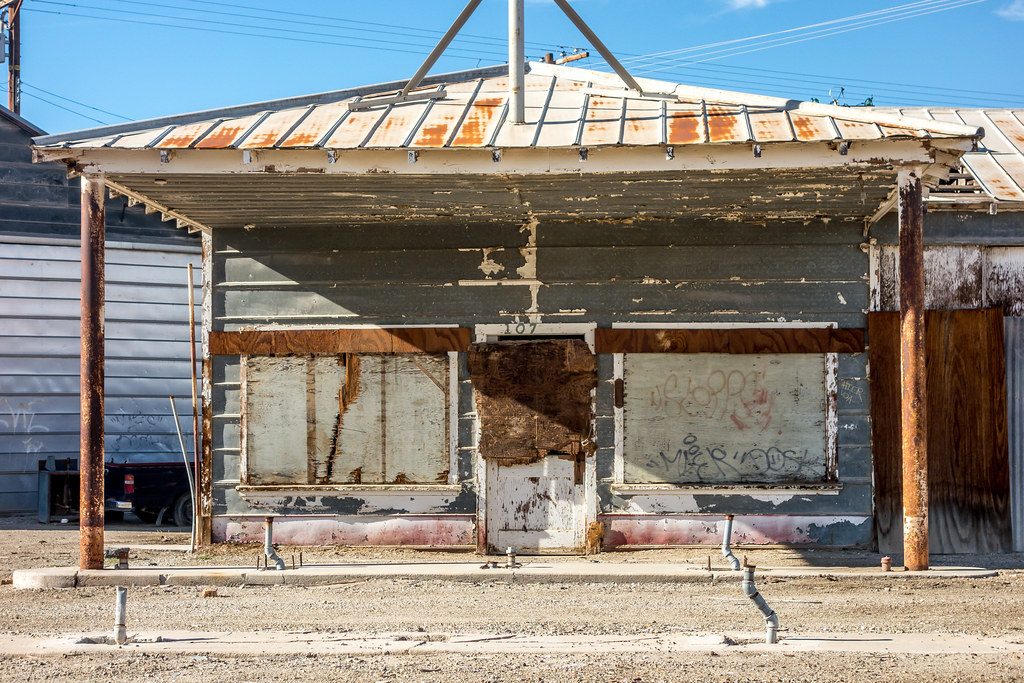
Image credit: Out of business by kevin dooley via flickr (BY 2.0), sourced through Openverse.
Written by
Rajesh Tiwari
Real estate analyst covering property markets across Delhi NCR, Mumbai, and Bangalore. Rajesh tracks pricing trends, RERA compliance, and investment opportunities for residential and commercial buyers.
Looking for a technology partner?
From IT consulting to virtual office to custom software — eDarpan can help.
Continue reading
Delhi-NCR Home Prices Up 12%: How to Plan Your Down Payment in 2026
Delhi-NCR home prices rose 12%, so your down payment and EMI plan may no longer hold. Here is how to recalculate with real numbers before you commit.
Gurgaon, Noida Demand Dips 8-9%: Should You Buy Now or Wait?
NCR demand dipped 8-9%. Before you negotiate, learn what the slowdown really means for buyers and run the EMI and price-to-rent checks that matter most.
Who Really Pays for Indian Home Price Rises? Buyer Math for 2026
Are Indian home prices outpacing your salary? We break down affordability ratios, EMI math and a worked example to show whether buying still makes sense in 2026.