AI Advertising Tools for Indian SMBs 2026: What Actually Works
AI advertising tools for small business India can cut ad costs by 22%—but only if set up right. Real client examples, ROI, and mistakes to avoid in 2026.
Last month a kirana-turned-D2C brand owner from Indore showed me his ad account. He'd burned through ₹1.2 lakh in ninety days on Meta and Google, chasing "reach," and had eleven actual paying customers to show for it. His cost per acquisition worked out to nearly ₹11,000 on products that sold for ₹1,499. He wasn't stupid. He'd watched the YouTube tutorials, boosted his best-performing posts, even hired a freelancer for a while. The problem wasn't effort. It was that he was manually doing work that platforms now automate better than most humans, and he was doing it without any structure.
Here's the number that surprised him, and might surprise you: Meta reported that ad campaigns using its Advantage+ AI targeting delivered roughly 22% lower cost per acquisition on average versus manually configured campaigns. Google's Performance Max claims similar lifts. For a small business spending ₹30,000–₹80,000 a month on ads, that gap is the difference between profitable growth and quietly bleeding cash. The catch is that these tools only work when you feed them the right data and set them up correctly, and almost nobody explains that part in plain language.
This post is about the AI advertising tools for small business India that actually move the needle in 2026, how to set them up without a big agency, and what ROI you can realistically expect. No hype. I'll walk through a real client example, give you a comparison table, and share the mistakes I see SMB owners make every single week.
Key Takeaways
- AI ad tools like Meta Advantage+ and Google Performance Max work best after you have at least 20–50 conversions tracked, not from day one. Feed them clean data or they waste your budget.
- Budget realistically: expect a 2–4 week "learning phase" where results look bad. Don't panic and switch things off.
- For most Indian SMBs, WhatsApp-driven ads (click-to-WhatsApp) convert cheaper than website-only funnels because customers prefer to chat before buying.
- A blended ad spend of ₹40,000–₹60,000/month across Meta and Google, with AI creative and targeting, is enough to test seriously without gambling.
- Track everything with a proper pixel/conversions API setup. Bad tracking is the #1 reason AI ad tools underperform.
- Creative still matters more than targeting. AI can optimise delivery, but it can't fix a boring video.
What are AI advertising tools and why do they matter for Indian small businesses?
Strip away the jargon and "AI advertising tools" means software that uses machine learning to decide three things for you: who to show your ad to, when and where to show it, and increasingly what the ad should say and look like. The platforms have quietly shifted the entire industry from "you pick the audience" to "you give us your goal and your budget, we figure out the rest."
For a large brand with a data team, this is a convenience. For an Indian SMB owner running the business, doing accounts, and handling GST filings, it's a genuine equaliser. You no longer need to understand audience layering, lookalike percentages, or bid strategies to compete. But that also creates a trap: because the tools are easy to switch on, people switch them on with garbage inputs and expect magic.
The categories worth knowing in 2026 break down like this:
- AI targeting and delivery: Meta Advantage+, Google Performance Max, Amazon's automated campaigns.
- AI creative generation: Meta's Advantage+ creative, Canva Magic Studio, AdCreative.ai for producing ad variations at scale.
- AI copywriting: ChatGPT, Google Gemini, and Jasper for writing ad copy, hooks, and WhatsApp message flows.
- AI chat and lead handling: automated WhatsApp and voice responses that qualify leads after the ad does its job. This is where a lot of Indian conversions actually close.
That last category matters more here than in the West. Indian buyers, especially in tier-2 and tier-3 cities, want to talk before they pay. An ad that drives a chat on WhatsApp often outperforms one that pushes straight to a checkout page. If you're serious about that channel, our team's breakdown of WhatsApp marketing ROI for Indian SMBs is worth reading alongside this.
Which AI advertising platforms actually work in India in 2026?
I'll be direct about what I recommend to clients depending on their business type. Not every platform suits every SMB, and spreading a small budget thin across five tools is a reliable way to fail.
| Platform / Tool | Best for | Realistic monthly spend to test | Learning curve | Where it wins in India |
|---|---|---|---|---|
| Meta Advantage+ (Facebook/Instagram) | D2C, local services, retail, fashion, food | ₹25,000–₹50,000 | Low to medium | Click-to-WhatsApp ads, huge reach in vernacular markets |
| Google Performance Max | High-intent products, services people search for | ₹30,000–₹60,000 | Medium | Captures demand from Search, YouTube, Maps in one campaign |
| Google Search (with Smart Bidding) | Local businesses, B2B, professional services | ₹20,000–₹40,000 | Medium to high | People actively searching "CA near me", "AC repair Pune" |
| Amazon Ads (Sponsored + AI) | Anyone selling physical products on Amazon | ₹15,000–₹35,000 | Low | Buyers already have wallets open |
| AdCreative.ai / Canva Magic | Businesses with no design help | ₹1,500–₹6,000 (tool cost) | Low | Producing 10+ ad variations fast for AI to test |
My general rule: if people search for what you sell, start with Google. If people need to be shown what you sell (impulse, discovery, lifestyle), start with Meta. Most SMBs benefit from running both once they have some data, but pick one to master first.
How do you set up an AI ad campaign step by step?
Let me give you the actual sequence I use when setting up a new Meta Advantage+ campaign for a client. You can hand this exact list to a freelancer or vendor and hold them to it.
- Fix your tracking first. Install the Meta Pixel and, critically, set up the Conversions API (CAPI). With iOS privacy changes and browser restrictions, pixel-only tracking now misses 20–30% of conversions. CAPI sends events server-side so the AI actually learns. This is technical, and it's where most people cut corners.
- Define one clear conversion event. "Purchase" or "Lead" or "WhatsApp message started." Not all three at once. The AI optimises toward what you tell it, so be specific.
- Prepare 6–10 creative assets. A mix of images and short vertical videos (9:16, under 30 seconds). Use AI creative tools to generate variations, but write the hook yourself or with careful prompting. Boring creative kills good targeting.
- Write 3–4 primary text variations. Different angles: price, problem, social proof, urgency. Let the platform test which resonates.
- Set the campaign to Advantage+ and let the audience stay broad. Resist the urge to over-target. In 2026 the AI does better with a broad audience and strong signals than with a hand-picked narrow one. Set only basic guardrails like location (your delivery/service area) and age if relevant.
- Set a realistic daily budget. Minimum ₹800–₹1,000/day per campaign so the algorithm gets enough data. Below that, the learning phase drags on forever.
- Choose your destination deliberately. For most Indian SMBs I route to WhatsApp, not a website. It converts better here. You'll need the WhatsApp Business API set up properly for this to scale, which we handle through our WhatsApp Business API service.
- Wait out the learning phase. The first 7–14 days will look expensive and erratic. Do not touch the campaign unless it's spending with zero results. Every edit resets the learning.
- Review at day 14, optimise at day 21. Kill the worst creative, add fresh variations, and only then consider scaling budget by 20% at a time.
Common Mistake: The single most damaging thing SMB owners do is edit a live campaign every day because they're anxious. Every meaningful edit throws the campaign back into the learning phase and wastes your money. Set it up right, then leave it alone for two weeks. Discipline beats fiddling.
A real example: how a Jaipur home-decor brand cut cost per lead by 58%
One of the clearest cases I've worked on was a home-decor and furnishings brand in Jaipur, a 9-person team selling curtains, cushion covers, and bed linen, mostly to customers across Rajasthan and Delhi NCR. When they came to us they were spending ₹65,000/month on Meta ads driving traffic to their Shopify store. Their cost per purchase sat around ₹950, and their average order value was ₹1,800, so margins were thin after product cost and shipping.
Here's what we changed over about ten weeks:
- Rebuilt tracking with the Conversions API. Their old setup was pixel-only and under-reporting conversions badly. Once CAPI was live, the algorithm suddenly had accurate signals to learn from.
- Switched from website traffic to click-to-WhatsApp ads for cold audiences. Instead of pushing strangers to checkout, we let them chat. A simple automated WhatsApp flow answered fabric, delivery, and price questions, then shared a payment link.
- Used Advantage+ creative with 8 video variations, most produced with AI tools plus their own product footage shot on a phone. We wrote sharp Hindi-English hooks like "Ye curtain aapke drawing room ko badal dega."
- Kept the audience broad across their two delivery regions rather than the tight interest-based targeting they'd been using.
The results after the learning phase settled: cost per qualified lead on WhatsApp dropped to around ₹210, and roughly one in four of those leads converted to a sale. Blended cost per purchase fell from ₹950 to about ₹400, a 58% reduction. Same ad budget, but their monthly order count nearly doubled. The biggest single lever wasn't the AI targeting, honestly. It was moving the conversation to WhatsApp, where a human plus automation could reassure the buyer.
If you're wondering about the mechanics of that WhatsApp layer, the newer WhatsApp Payments capabilities in India now let you close the sale in-chat, which removes even more friction. And if you're worried about doing bulk outreach the wrong way, read up on the 2026 bulk messaging rules before you scale, because bans are real and recovery is painful.
What ROI can Indian SMBs realistically expect from AI ad tools?
Let me set expectations honestly, because unrealistic ones cause people to quit right before things work.
Month 1 is a learning and testing month. You will likely spend more per result than you'd like. If you break even, that's a genuine win. Don't judge success here.
Months 2–3 are where a well-run account starts producing. For product businesses, a return on ad spend (ROAS) of 2.5x to 4x is a reasonable target once optimised. That means for every ₹100 spent, you generate ₹250–₹400 in revenue. Service businesses should think in cost per qualified lead instead, and what a closed customer is worth over time.
A few realities to hold onto:
- AI tools reduce waste, they don't create demand. If nobody wants your product, no algorithm saves you.
- Your ROAS depends heavily on margin. A 4x ROAS on a product with 20% margin still loses money. Know your numbers before you scale.
- Creative fatigue is real. Ads that worked in month 2 will decay by month 4. Budget for refreshing creative every 3–4 weeks.
- Repeat customers are where the real profit lives. Use WhatsApp and email to bring people back cheaply rather than paying to acquire them again.
Pro Tip: Track your blended customer acquisition cost, not just your in-platform ROAS. Platforms over-report their own contribution. Take total ad spend for the month, divide by total new customers, and use that honest number to make decisions. It's less flattering, but it's real.
How much should a small business budget for AI advertising tools for small business India?
Here's a sensible starting framework for an SMB that's serious but not reckless:
- Ad spend: ₹40,000–₹60,000/month to test properly across one or two platforms. You can start at ₹25,000 if cash is tight, but below ₹20,000 the learning phase struggles.
- Creative tools: ₹2,000–₹6,000/month for something like AdCreative.ai or Canva Pro.
- WhatsApp/messaging infrastructure: conversation-based pricing plus your API provider's platform fee. Keep an eye on the 2026 API pricing changes so there are no surprises.
- Setup/consulting (optional but recommended for the first 60 days): getting tracking and structure right once saves months of wasted spend.
Two things worth flagging on the compliance side. First, ad spend on Indian platforms attracts GST, and you'll need proper tax invoices for input credit. Second, if you're a newly registered business without a commercial address, you may need one to register and claim credits cleanly. A virtual office for GST and company registration solves that affordably without a physical lease.
If your funnel depends heavily on chat and calls, the automation layer matters as much as the ads. We build these end to end, from a proper WhatsApp Business API flow to an AI voicebot that qualifies inbound callers, and bulk SMS for reminders and re-engagement. If you need a store, landing page, or app for the campaign to point to, our custom software and mobile app development teams handle that too.
Should you hire an agency, do it yourself, or use a consultant?
This depends on your time, budget, and how much you want to learn. Here's how I'd break it down for an Indian SMB.
Do it yourself
Works if you have 5–8 hours a week and are willing to learn. The AI tools genuinely make this more feasible than it was three years ago. Risk: you'll make expensive mistakes in the first two months on tracking and structure.
Full-service agency
Works if you have budget and want hands-off execution. Most decent agencies charge a retainer of ₹25,000–₹60,000/month on top of ad spend. Risk: many optimise for what looks good in reports rather than actual profit, and small accounts get junior staff.
Consultant-led setup, then in-house
Often the sweet spot for SMBs. Bring in expertise to set up tracking, structure, and creative process correctly, then run it yourself with periodic check-ins. This is close to how our IT consulting engagements often work, and you can see the broader picture on our services overview.
Whichever route you pick, insist that whoever runs your ads owns the accounts in your name. I've seen too many SMBs lose access to their own pixel and campaign history when an agency relationship ended.
Frequently Asked Questions
What is the best AI advertising tool for a small business in India?
For most Indian SMBs, Meta Advantage+ is the best starting point because of its reach, click-to-WhatsApp integration, and low learning curve. If your customers actively search for your product or service, Google Performance Max or Search with Smart Bidding is stronger. Start with one platform, master it, then expand.
How much does AI advertising cost for a small business in India?
Plan for ₹40,000–₹60,000/month in ad spend to test seriously, though you can start around ₹25,000. Creative tools add ₹2,000–₹6,000/month. Remember that platforms charge GST on ad spend, so keep tax invoices for input credit.
Do AI ad tools work for local service businesses like clinics or repair services?
Yes, and often very well. Google Search with Smart Bidding captures people actively searching for services near them, while Meta click-to-WhatsApp ads let prospects ask questions before booking. For local services, routing leads to WhatsApp or a voicebot usually beats sending them to a website form.
How long before AI advertising shows results?
Expect a 2–4 week learning phase where results look erratic and expensive. A well-structured account typically starts producing predictable results in months 2–3. Editing the campaign constantly resets the learning and delays everything, so set it up properly and leave it alone.
Is it better to send ads to my website or to WhatsApp?
For most Indian SMBs, WhatsApp converts cheaper for cold audiences because buyers want to chat before paying, especially in tier-2 and tier-3 cities. Website funnels work better for warm audiences, low-consideration products, or when you have strong reviews and trust signals. Test both once you have data.
Can I run AI ad campaigns without any design skills?
Yes. Tools like AdCreative.ai and Canva Magic Studio, plus Meta's built-in Advantage+ creative, can generate multiple ad variations from your product photos and a short brief. You'll still get better results if you write the hook thoughtfully and shoot some authentic product video on your phone.
Do I need GST registration to run ads for my business in India?
You'll need GST registration to claim input tax credit on the GST charged on your ad spend, which matters once you're spending meaningfully. If you don't have a commercial address for registration, a virtual office address is a legitimate, affordable way to register your business.
Where to go from here
The honest summary is this: the AI advertising tools for small business India in 2026 are good enough that a well-prepared SMB owner can genuinely compete with much larger players, but only if the foundations are right. Clean tracking, one clear conversion goal, strong creative, a broad audience, and the patience to let the algorithm learn. Get those five things right and the AI does its job. Skip them and you'll join the long list of people who concluded "ads don't work for my business" when the real issue was setup.
Start small, measure your blended acquisition cost honestly, and reinvest into what's working. Route conversions to where your customers are comfortable buying, which in India is very often a chat. And don't let anyone convince you that a bigger budget fixes a broken funnel. It only makes the leak bigger.
If you'd like help getting the technical side right, from Conversions API and WhatsApp automation to landing pages and lead handling, that's exactly the kind of work our team does day to day. Have a look at our Meta Business AI on WhatsApp setup guide for a deeper dive, or get in touch with eDarpan and we'll help you build a campaign setup that actually pays for itself.
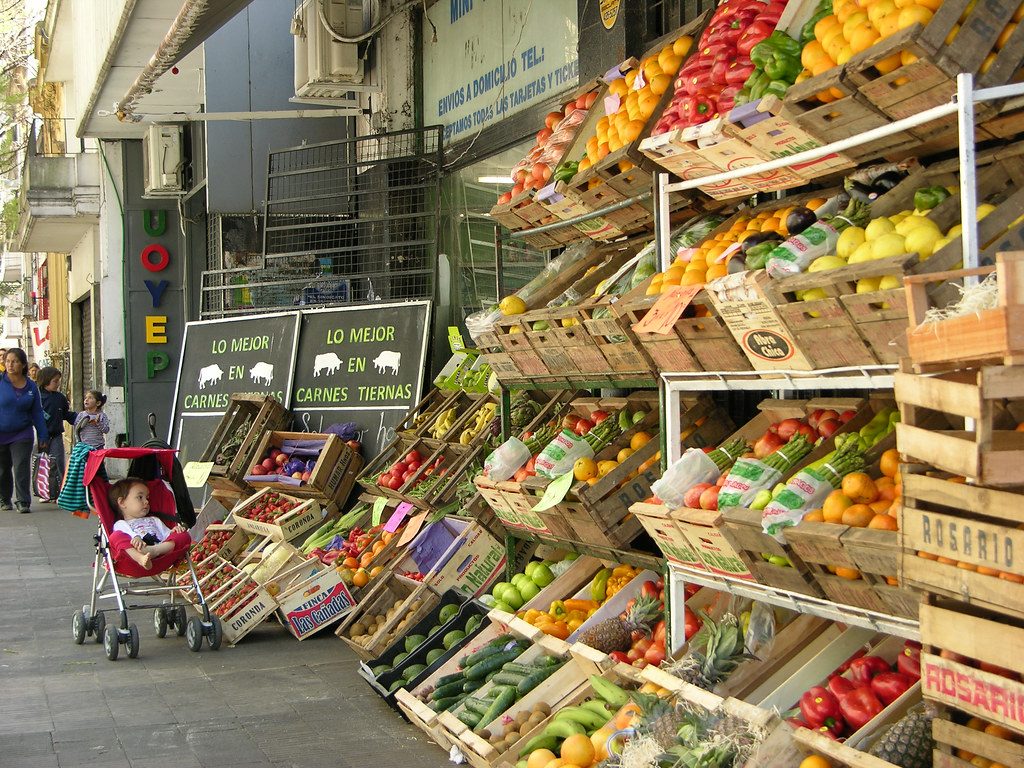
Image credit: Market by alexfiles via flickr (BY-SA 2.0), sourced through Openverse.
Written by
Sneha Pandey
Digital marketing strategist focused on WhatsApp Business API, bulk SMS campaigns, and growth hacking for Indian SMBs. Sneha has helped companies achieve 3x customer engagement through conversational commerce.
Looking for a technology partner?
From IT consulting to virtual office to custom software — eDarpan can help.
Continue reading
WhatsApp Marketing ROI 2026: What Indian SMBs Actually Earn
Real 2026 numbers on WhatsApp marketing ROI for Indian SMBs: message costs, conversion benchmarks, and a worked example to estimate returns before you spend.
Meta Business AI on WhatsApp 2026: Setup Guide for Indian SMBs
Learn how Meta Business AI on WhatsApp helps Indian SMBs answer customers 24x7, plus a step-by-step setup guide and when to switch to the API.
WhatsApp Business API Pricing Changes 2026: What SMBs Pay Now
WhatsApp Business API pricing 2026 shifts to per-message charges by category. Learn the real rupee rates, why bills spike, and how SMBs can cut costs.