Buying Near the Gurugram-Rewari Expressway: Corridor Guide
A sober corridor guide to Gurugram Rewari highway property investment: real micro-markets, rupee math, RERA checks, and the costly mistakes buyers make.
Here's the trap most first-time buyers fall into along a new expressway corridor: they see the map, they see the SPV land acquisition notifications, and they assume every plot within 5km is going to double in three years. It doesn't work that way. I've sat across the table from investors who bought "highway-facing" plots near Manesar in 2015 expecting a windfall, and are still waiting for a clear title and a functioning access road nine years later. The infrastructure came. The upside didn't reach them.
The Gurugram-Rewari Expressway, a roughly 46km greenfield corridor connecting the Dwarka Expressway network down towards Rewari and the KMP/NH-352W ecosystem, is a genuinely important piece of NCR's southern growth story. But "important corridor" and "good buy" are not the same sentence. NHAI project alignments, land pooling under HSVP, and the difference between a notified sector and a licensed colony will decide whether your money grows or gets stuck.
This guide is about doing sober Gurugram Rewari highway property investment analysis instead of chasing broker WhatsApp forwards. I'll walk you through which micro-markets have real fundamentals, give you a worked example with actual rupee math, hand you a due-diligence checklist you can take to a lawyer, and flag the mistakes I've watched people make with their life savings.
Key Takeaways
- Access beats adjacency. A plot 2km from a functioning interchange beats a plot 200m from the expressway with no legal service road.
- Buy licensed, not just notified. A DTCP/HSVP-licensed colony or RERA-registered project protects you far more than raw agricultural land near an announced alignment.
- Rewari-side plots are cheaper for a reason. Longer absorption timelines, thinner rental demand, and slower social infrastructure. Price the wait in.
- Verify RERA before any payment. Under-construction projects without valid registration are the single biggest source of buyer disputes in NCR.
- End-users and investors need different micro-markets. What's a good rental yield play is often a poor capital-appreciation bet, and vice versa.
- Budget 8–12% over sticker price for stamp duty, registration, GST on under-construction, and legal costs.
Why is the Gurugram-Rewari Expressway corridor attracting investors right now?
The short answer: connectivity arbitrage. Land near Rewari and southern Gurugram has historically traded at a steep discount to central Gurugram because it was a slow, congested drive on the old NH-48 and state roads. A dedicated high-speed corridor collapses that time-distance gap, and markets reprice land when travel time drops.
There are three structural drivers worth taking seriously:
- Industrial and warehousing demand. The stretch links into the KMP Expressway and the wider Delhi-Mumbai Industrial Corridor (DMIC) influence area. Grade-A logistics operators want land near multi-modal connectivity, and warehousing rentals in NCR's southern belt have been climbing steadily.
- Residential spillover from Dwarka Expressway. As New Gurugram (Sectors 79–115) matures and prices firm up, value-seeking buyers push south looking for the next affordable entry point.
- Institutional interest. When developers with actual balance sheets and RERA-registered launches move into a corridor, that's a more reliable signal than a plotting scheme run out of a single-room office.
The caveat: greenfield corridors reprice in phases. The first phase is speculative (announcement to construction). The second is infrastructure delivery. The third is genuine end-use absorption. Most of the outsized, safe returns come to people who enter at the start of phase two, once the alignment is locked and civil work has visibly begun, not to those who gambled in phase one.
Which micro-markets along the corridor have real upside versus hype?
Not all 46 kilometres are equal. I break the corridor into three broad zones based on maturity, infrastructure, and risk.
Gurugram-end sectors (near Dwarka Expressway integration)
This is the mature end. Higher entry prices, but also lower risk, functioning civic infrastructure, and existing rental demand from professionals working in Cyber City and Udyog Vihar. Capital appreciation here will be steadier and single-digit-to-low-teens annually rather than explosive, but your money is far less likely to get stuck. Good for end-users and conservative investors.
The middle belt (Pataudi Road / Farrukhnagar influence area)
This is where the real risk-reward game is played. Prices are meaningfully lower, land licensing is a mix of clean and murky, and infrastructure delivery timelines directly determine your outcome. If you can verify a licensed colony with a committed developer and confirmed road access, this belt offers the best genuine upside. If you buy raw land on a promise, this is also where people lose money.
Rewari-end plots
Cheapest entry, longest wait. Industrial and warehousing potential is real given the DMIC linkage, but residential absorption and social infrastructure (schools, hospitals, retail) lag by years. This is a patient-capital play, not a quick flip. Suitable for investors with a 7–10 year horizon and no liquidity pressure.
| Zone | Indicative entry (per sq yd, plots) | Risk level | Best for | Realistic horizon |
|---|---|---|---|---|
| Gurugram-end sectors | ₹90,000–1,60,000+ | Low | End-users, conservative investors | 3–5 years |
| Middle belt (licensed colony) | ₹45,000–85,000 | Medium | Growth investors who do diligence | 4–7 years |
| Middle belt (unlicensed/agri) | ₹18,000–35,000 | High | Speculators only | Uncertain |
| Rewari-end plots | ₹12,000–28,000 | Medium-High | Patient capital, warehousing plays | 7–10 years |
Treat those numbers as directional bands, not quotes. They move with each RERA launch and every road milestone. Always verify current rates with recent registered sale deeds in that specific khasra, not asking prices.
A worked example: how the numbers actually play out
Let me make this concrete. A Gurugram-based small business owner I advised, running a 20-person distribution firm, wanted to park ₹60 lakh in the corridor. He was tempted by a middle-belt "highway-touch" plot being sold at ₹22,000/sq yd, roughly 270 sq yds for ₹60 lakh. Broker promise: 3x in four years.
We pulled the records. The land was still classified agricultural, no DTCP colony license, and the "highway access" depended on a service road that wasn't in any sanctioned layout. The moment we asked for the CLU (Change of Land Use) certificate, the story fell apart.
Instead, we redirected him to a RERA-registered plotted development in a licensed colony in the same belt, priced at ₹52,000/sq yd. For his ₹60 lakh budget he could buy ~115 sq yds. Smaller plot, higher per-yard price. Here's the honest math on total cost of ownership:
- Plot cost (115 sq yd × ₹52,000): ₹59.8 lakh
- Stamp duty + registration (approx 7% in Haryana, varies by ownership category): ₹4.19 lakh
- Legal due diligence + documentation: ₹35,000
- Total outlay: ~₹64.3 lakh
Three years on, the licensed plot was reliably tradeable at registered rates around ₹78,000–82,000/sq yd, a clean ~50% gross gain with a marketable title he could actually sell or mortgage. The "3x agricultural plot" next door? Still agricultural, still no CLU, and the two brokers pushing it had changed offices. The lesson isn't that the cheap plot never appreciates. It's that you can't monetise appreciation on a title you can't legally transfer or fund.
Pro Tip: When someone quotes you appreciation numbers, ask for three registered sale deeds from the last six months in that exact area. Registered deeds are public record and show actual transaction prices, not aspirational asking rates. If a broker can't or won't produce them, the "market rate" they're quoting is fiction.
What due diligence must you complete before paying anything?
This is the section to bookmark. Do not skip a single item. I've watched buyers lose 30–40 lakh because they trusted a "sabhi kagaz clear hai" verbal assurance.
- Verify RERA registration. For any under-construction plotted development or apartment project, confirm the HRERA (Haryana RERA) registration number on the official portal and match it to the project. Our detailed walkthrough on verifying an under-construction project on RERA before you pay covers exactly what to check.
- Confirm land use and licensing. Ask for the DTCP colony license and the CLU certificate. Agricultural land without CLU cannot legally be developed or sold as residential/commercial plots.
- Title chain for 30 years. Get a lawyer to trace ownership back three decades via the sub-registrar and jamabandi/mutation records. Look for gaps, family disputes, or unresolved inheritance.
- Check encumbrances. Pull the encumbrance certificate to confirm no existing mortgage or lien on the property.
- Confirm the NHAI alignment and setbacks. Ensure your plot isn't inside the acquisition width or the building setback zone of the expressway. A "highway-facing" plot that's partly acquired is worthless.
- Verify approved layout and plot number. Match the physical plot on the ground to the sanctioned layout plan. Numbering mismatches are a classic fraud.
- Access road legality. The road you'll use to reach the plot must be in the sanctioned layout or a public road. A "promised" road on someone else's land is a future dispute.
- Property tax and dues. Confirm no outstanding municipal or panchayat dues.
- GST position. Under-construction property attracts GST; ready-to-move and land generally don't. Know your liability before you sign.
- Builder-buyer / plot-buyer agreement review. Read the penalty and delayed-possession clauses. If a builder delays, you have rights, our guide on claiming compensation for delayed possession under RERA explains how to enforce them.
Common Mistake: Paying a "token amount" of ₹2–5 lakh to "block" a plot before diligence is complete. Sellers know that once you're financially and emotionally committed, you'll rationalise ignoring red flags. Never pay anything beyond a small, refundable, written expression of interest until your lawyer signs off on title, license, and access. If the seller pressures you to hurry ("do aur log dekh rahe hain"), that pressure is the red flag.
Should you buy for rental yield or capital appreciation on this corridor?
These are two different investments with different micro-markets, and conflating them is expensive.
For rental yield, you want the Gurugram-end sectors where working professionals already live and commute. Residential yields in mature NCR pockets typically sit in the modest 2–3.5% range, so rental is rarely the whole thesis. Warehousing and industrial assets near the interchanges can deliver stronger yields, but they need larger tickets and operational know-how. If you're weighing rental strategy across NCR, our analysis of Delhi-NCR rent trends and which cities give best value is worth a read.
For capital appreciation, the middle belt and Rewari-end offer more upside precisely because they're earlier in the cycle, but you're compensated for accepting illiquidity and longer holding periods. Don't buy an appreciation play with money you might need in 24 months.
End-users buying a home to live in should optimise differently again: proximity to schools, hospitals, and daily-needs retail matters more than the last 5% of price appreciation. If affordability is your driver, also look at our piece on where value buyers should look during the affordable housing slowdown.
How do you finance and structure the purchase sensibly?
A few practical structuring points that experienced buyers use:
- Loans favour licensed, RERA-registered projects. Banks and HFCs are cautious about lending against agricultural land or unapproved colonies. If you can't get a home loan sanctioned on it, that's the market telling you the title is weak.
- Budget the full transaction cost. Stamp duty and registration in Haryana can run around 7% depending on buyer category (there are concessions for female ownership), plus legal fees and any GST on under-construction. Add 8–12% over the sticker price.
- Consider joint ownership. Registering in a spouse's or joint name can lower stamp duty and simplify succession.
- Keep a payment paper trail. Pay through banking channels, insist on proper receipts, and register at circle rate or above. Under-declaring to save stamp duty creates a capital-gains and legality nightmare when you sell.
If you're a business buying commercial or warehousing space and also need a virtual office address for GST and company registration in the interim, sort that out early so your entity's registered address and the asset's location don't create GST-input complications later.
Where does eDarpan fit into your corridor decision?
Two ways, honestly. First, on the property side: eDarpan Properties helps you evaluate and transact along corridors like this, whether you're browsing properties for sale or exploring rental options in NCR. We push for verified listings and diligence-first buying rather than hype-driven brokering.
Second, on the operational side: if you're a business relocating or setting up near the corridor, the move usually triggers IT and infrastructure decisions too. Our services team handles everything from cloud migration and managed services when you're leaving an on-prem setup behind, to IT consulting for planning a new office fit-out. Businesses expanding into a new location often need Google Workspace or Microsoft 365 licensing sorted cleanly, and customer-facing operations frequently lean on our WhatsApp Business API and bulk SMS services for tenant, buyer, or customer communication. If you want to talk through either side, just reach out.
Frequently asked questions
Is the Gurugram-Rewari Expressway a good investment in 2026?
The corridor has genuine long-term fundamentals thanks to connectivity and industrial demand, but "good investment" depends entirely on the specific plot and its legal status. A licensed, RERA-registered property in the middle belt offers real upside; raw agricultural land near an announced alignment is speculation, not investment.
How do I check if a plot near the Gurugram-Rewari highway is legal?
Confirm the DTCP colony license, the Change of Land Use (CLU) certificate, the HRERA registration for any project, and a clean 30-year title chain via the sub-registrar. Match the physical plot to the sanctioned layout and verify legal access road. Always have a property lawyer complete this before paying anything beyond a refundable token.
What's the difference between notified and licensed land on the corridor?
A notified sector means the government has earmarked an area for development, but that alone doesn't make a specific plot legally sellable for construction. A licensed colony has an approved DTCP license and sanctioned layout, meaning plots within it can be legally transferred and developed. Always buy licensed, not merely notified.
What are the total costs beyond the plot price?
Budget roughly 8–12% over the sticker price. This includes stamp duty and registration (around 7% in Haryana, with concessions for female ownership), legal and documentation fees, and GST if the property is under construction. Land and ready-to-move properties generally don't attract GST.
Should I buy plots or an apartment near the corridor?
Plots typically offer higher appreciation potential but lower liquidity and no rental income until developed. Apartments in mature Gurugram-end sectors give rental yield and immediate usability but slower price growth. Your choice depends on whether you're prioritising capital appreciation, rental income, or living in the property.
How long should I plan to hold property on this corridor?
For Gurugram-end sectors, 3–5 years is reasonable. Middle-belt licensed plots suit a 4–7 year horizon, and Rewari-end investments are genuinely patient-capital plays needing 7–10 years for social infrastructure and absorption to catch up. Don't invest money you might need in the short term.
Can I get a home loan for property near the Gurugram-Rewari Expressway?
Yes, for licensed and RERA-registered projects, banks and housing finance companies will typically lend. For agricultural land or unapproved colonies, loans are hard to get, which is itself a strong signal about the asset's legal quality. If a lender won't finance it, ask why before you commit your own funds.
The bottom line
The corridor is real, the connectivity thesis is sound, and there is money to be made. But successful Gurugram Rewari highway property investment comes from discipline, not optimism. Buy licensed over notified, verify title and RERA before you part with money, match the micro-market to your actual goal, and price in the full transaction cost and holding period honestly.
The buyers who do well here are the ones who treat a plot like a business acquisition: full diligence, documented paper trail, professional legal review, and a clear-eyed view of timelines. If you'd like help evaluating a specific listing or structuring your purchase, learn more about how we work or get in touch with eDarpan. Do the homework first, and the corridor can reward you. Skip it, and you'll join the long list of people still waiting on an access road.
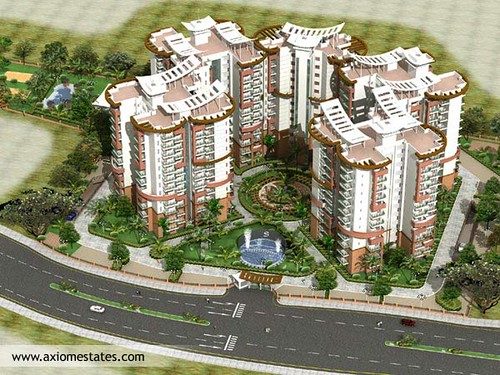
Image credit: Bangalore Properties - Real Estate India - Shriram Symphony by nancyarora2020 via flickr (BY-SA 2.0), sourced through Openverse.
Written by
Rajesh Tiwari
Real estate analyst covering property markets across Delhi NCR, Mumbai, and Bangalore. Rajesh tracks pricing trends, RERA compliance, and investment opportunities for residential and commercial buyers.
Looking for a technology partner?
From IT consulting to virtual office to custom software — eDarpan can help.
Continue reading
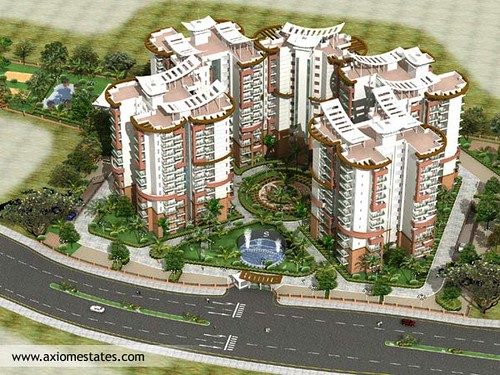
How Rising Delhi NCR Home Prices Impact Your Budget & Options
Delhi NCR's 12% property price surge is derailing budgets. Learn strategic fixes, affordable alternatives, and whether to buy now.
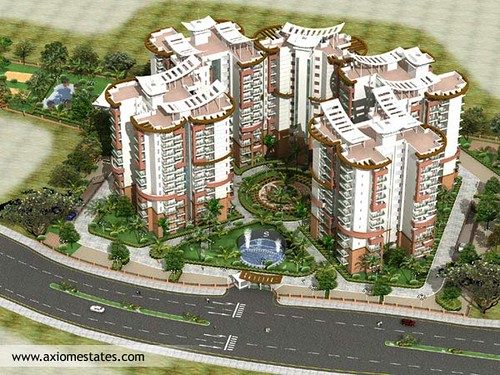
Goa, Bhopal, Lucknow: Top Tier-2 Cities for Property Investment 2026
Move beyond expensive metros. Discover why Goa, Bhopal & Lucknow are the top tier-2 cities for high-yield property investment in 2026, backed by data & infrastructure growth.
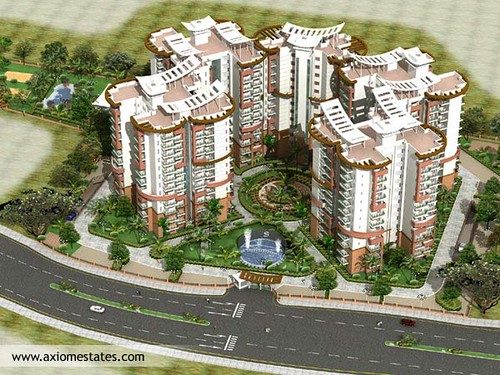
How AI Infrastructure Growth is Reshaping Delhi NCR Office Demand
AI infrastructure growth is reshaping office demand in Delhi NCR, making power and connectivity as crucial as location for future-proof investments.