Grade A Office Leasing in India: A Founder's Guide for 2026
A founder's 2026 guide to office space leasing in India: Grade A vs managed vs virtual offices, real rupee costs, and negotiation tips to avoid costly mistakes.
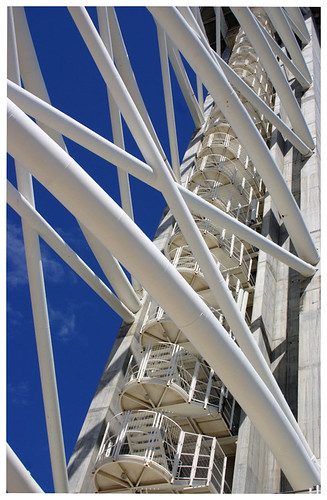
Here's a scenario I've seen play out at least a dozen times over the last five years. A founder closes a decent Series A or lands a chunky enterprise contract, and the first instinct is to sign a Grade A office lease in Cyber City or Lower Parel. Three years later, headcount pivoted, the hybrid policy changed, and they're paying ₹9 lakh a month for a floor that's half empty on any given Tuesday. The exit clause? A nine-month lock-in and a security deposit they'll be chasing for a year after they leave.
The India office market is not slowing down. Net absorption across the top cities hit roughly 24.6 million sq ft in Q2 2025, and Grade A supply keeps tightening in the corridors everyone actually wants. That demand pressure means landlords have leverage, and founders who walk in without doing their homework tend to overpay on rent, on fit-outs, and on flexibility they'll never use. Getting office space leasing India decisions right in 2026 is less about finding the fanciest lobby and more about matching your commercial commitment to how your team actually works.
This guide walks through when a Grade A lease makes sense, when a managed office is the smarter play, and when you should just take a virtual office address and pocket the difference. I'll give you real rupee numbers, a comparison table, a negotiation checklist, and the mistakes I've watched cost companies lakhs. Let's get into it.
Key Takeaways
- Match the commitment to your certainty. If your headcount plan is fuzzy beyond 12 months, don't sign a 3-year Grade A lease. Managed offices exist for exactly this reason.
- The rent is not the cost. CAM charges, security deposit (usually 6 months), fit-out capex, and GST at 18% can add 40–60% to your headline number.
- A virtual office address handles GST registration and MSME compliance for a fraction of the cost if you don't need physical seats yet.
- Negotiate the lock-in and exit clause harder than the rent. A 5% rent saving means nothing if you're stuck for 36 months.
- Fit-out is a hidden capex trap. Warm-shell vs bare-shell handover can swing your upfront outlay by ₹1,500–2,500 per sq ft.
What actually counts as a Grade A office in India?
"Grade A" gets thrown around loosely by brokers, so let's be precise. In the Indian market, a genuine Grade A building typically has an IGBC or LEED green certification, 100% power backup with DG sets, structured parking at healthy ratios, professional facility management, and a reputable developer name behind it. Think DLF, Embassy, Brookfield, RMZ, Prestige, and the larger REIT-owned assets.
The practical difference matters for SMBs in ways that don't show up on a floor plan. Grade A buildings usually clear fire and building compliance without you lifting a finger, which matters when a client's vendor onboarding team asks for your occupancy certificate. They also tend to have the backup infrastructure that keeps your team working through a Bengaluru monsoon power cut without everyone scrambling for hotspots.
Rents vary wildly by city and micro-market. As a rough 2026 guide for Grade A carpet-rate leasing:
- Gurugram (Cyber City / Golf Course Road): ₹110–160 per sq ft/month
- Bengaluru (ORR / Whitefield): ₹85–130 per sq ft/month
- Mumbai (BKC / Lower Parel): ₹150–250 per sq ft/month
- Hyderabad (HITEC City / Gachibowli): ₹65–95 per sq ft/month
- Pune (Kharadi / Hinjewadi): ₹75–110 per sq ft/month
Notice how Hyderabad and Pune undercut the NCR and Mumbai numbers by a wide margin. If your team is remote-first and you only need a registered presence plus occasional meetings, the city you pick can change your annual real estate bill by 40% or more. Our Delhi-NCR rent trends breakdown for 2026 goes deeper on which corridors are giving the best value right now.
Grade A lease vs managed office vs virtual office: which should you pick?
This is the core decision, and it comes down to three variables: how many people need a desk, how certain your 24-month plan is, and how much upfront capital you want to lock into furniture and cabling instead of the business.
| Factor | Grade A Direct Lease | Managed / Coworking Office | Virtual Office Address |
|---|---|---|---|
| Typical cost (per seat/month) | ₹8,000–18,000 all-in | ₹9,000–22,000 all-in | ₹1,000–2,500 (address only) |
| Commitment / lock-in | 3–5 years, 9–12 month lock-in | 1–12 months, flexible | Monthly or annual |
| Upfront capex (fit-out) | ₹1,500–3,000/sq ft | Zero | Zero |
| Security deposit | 6 months' rent typical | 1–2 months | Nil to minimal |
| Best for | 50+ stable headcount, brand presence | 10–50 people, uncertain growth | GST/registration, remote teams |
| Scale up/down speed | Slow, renegotiation needed | Fast, add seats monthly | N/A |
The pattern I recommend to most founders under 50 employees: start with a managed office or a virtual office address, and only graduate to a direct Grade A lease once your headcount has been stable for two consecutive quarters and you can forecast the next 24 months with confidence. Capital tied up in a security deposit and a fit-out is capital not spent on sales or product.
If you just need a compliant business address for GST and company registration without any physical seats, a virtual office address for GST and company registration is the cleanest, cheapest path. It gives you the address, the NOC, the utility bill copy, and the rent agreement that the GST officer actually asks for.
A real worked example: the 22-person SaaS company that saved ₹58 lakh over three years
Let me walk through a case that mirrors several I've advised on. A B2B SaaS company in Bengaluru, 22 people, was about to sign a 4,500 sq ft Grade A lease on the Outer Ring Road at ₹95 per sq ft.
Here's what the direct lease actually looked like once you added everything up:
- Base rent: 4,500 sq ft × ₹95 = ₹4,27,500/month
- CAM charges: 4,500 × ₹18 = ₹81,000/month
- GST at 18% on rent + CAM = ₹91,530/month
- Total monthly outflow: approximately ₹6,00,000
- Security deposit: 6 months of base rent = ₹25,65,000 locked up
- Fit-out capex: warm shell at ₹1,800/sq ft = ₹81,00,000 upfront
The founder was staring at over ₹1 crore of capital committed before a single desk was occupied, plus a 9-month lock-in on a 3-year lease. And the honest truth was that their hybrid policy meant peak in-office attendance was around 14 people.
We restructured. They took a managed office with 16 dedicated desks plus 6 flexi passes at ₹14,000 per seat effective, all-inclusive of internet, power, housekeeping, and meeting rooms. Total monthly: roughly ₹3,08,000 including GST. Security deposit was two months, about ₹6.2 lakh. Fit-out capex: zero.
Over three years, the managed office cost them roughly ₹1.11 crore in operating spend with almost no capex. The direct lease would have cost about ₹2.16 crore in rent alone over the same period, plus the ₹81 lakh fit-out that they'd never recover. Even accounting for rent escalations, the flexible route saved them well over ₹58 lakh, and crucially, they added 8 seats within a month when a big contract landed. No renegotiation, no new lease.
Common Mistake: Founders anchor on the per-square-foot rent and ignore the loaded cost. The headline ₹95/sq ft became closer to ₹133/sq ft once CAM and GST were baked in, and that's before fit-out amortization. Always model the fully loaded monthly outflow and the total three-year cost, including the capital opportunity cost of a locked security deposit.
How do you negotiate a Grade A lease without getting burned?
If you've done the math and a direct lease genuinely fits, negotiation is where you win or lose lakhs. Landlords in tight micro-markets rarely budge on headline rent, so your leverage lives in the terms around it. Here's the sequence I use.
- Push the rent-free fit-out period. Ask for 60–90 days rent-free while you fit out. On a ₹4 lakh/month lease, 90 days rent-free is ₹12 lakh straight to your bottom line. This is often easier to win than a rent reduction.
- Cap the annual escalation. Standard is 5% annually or 15% every three years. Try to negotiate 4% or a longer reset cycle. Over five years, the difference compounds meaningfully.
- Shorten the lock-in. A 3-year lease with a 9-month lock-in is negotiable down to 6 months if you have a decent covenant. The lock-in is your real risk exposure, so attack it harder than the rent.
- Negotiate the security deposit. Six months is standard, but I've closed leases at four months for well-funded companies. Every month you claw back is capital freed up.
- Get warm shell, not bare shell. Warm shell includes flooring, ceiling, basic HVAC, and washrooms. Bare shell means you build all of it. The handover condition can swing your fit-out capex by ₹1,000+ per sq ft.
- Insert a clean exit and sublease clause. Get the right to sublease or assign the lease with the landlord's reasonable consent. If your plans change, you want an escape hatch that isn't at the landlord's whim.
- Document the CAM ceiling. CAM charges have a way of creeping. Get a cap or a defined escalation on CAM written into the lease, not just a verbal assurance.
Before you sign anything, verify the building's compliance and the landlord's title. If you're considering a space in an under-construction development, our guide on verifying a project on RERA before you pay applies just as much to commercial pre-lease commitments.
What are the compliance and GST implications of your office choice?
This is where founders quietly get tripped up, especially first-timers. Your office address is not just a place to work; it's a legal and tax anchor.
GST registration requires a valid principal place of business with documentary proof: a rent agreement, a No Objection Certificate from the owner, and a recent utility bill. If you operate across states, you need a registered address in each state where you have a taxable presence. This is exactly why distributed teams often maintain virtual office addresses in multiple states rather than leasing physical space they don't use.
MSME / Udyam registration and your company's ROC filings both reference your registered office. Changing your registered office later means board resolutions, filings, and possibly a fresh GST amendment, so pick an address you can commit to.
For a company registering in a new state purely to serve clients there, spinning up a physical lease is overkill. A compliant virtual office for GST and company registration handles the documentation cleanly and legally, and you can scale into physical space only if that market grows.
Pro Tip: If you're claiming input tax credit on your office rent, make sure the landlord is GST-registered and issues a proper tax invoice with their GSTIN. I've seen SMBs lose lakhs in ITC because their landlord was an individual who couldn't issue a GST invoice. Confirm this before you sign, not after.
Setting up the office: the tech and infrastructure checklist founders forget
The lease is only half the job. An empty Grade A floor doesn't run your business. When you're planning a physical office, budget and sequence the operational layer alongside the fit-out, because retrofitting it later is painful.
- Redundant internet. Two ISPs on a failover router. In a Grade A building you'll get leased-line options, but never depend on a single line for a client-facing team.
- Identity and productivity stack. Standardize on Google Workspace licensing or Microsoft 365 licensing before people join, so email, storage, and access controls are set from day one rather than retrofitted.
- Networking and Wi-Fi. Structured cabling during fit-out is far cheaper than after. Plan access points for your actual seat density plus meeting rooms.
- Cloud-first infrastructure. Avoid on-prem servers in a new office. If you're migrating from legacy hardware, our cloud migration and managed services team handles this without the downtime founders fear.
- Customer communication systems. Reception overload is real once you scale. An AI voicebot for inbound call handling and WhatsApp Business API for customer conversations reduce the front-desk headcount you'd otherwise need to hire.
- Security and access. Biometric or card access, CCTV, and a clear visitor policy. Grade A buildings provide the base layer; your floor-level access is on you.
If you're weighing what to build in-house versus buy off the shelf, a short engagement with our IT consulting team usually pays for itself by steering you away from over-spec'd infrastructure. And if the office move coincides with launching a customer-facing product, our custom software development and mobile app development teams can align that roadmap with your growth.
Frequently asked questions about office space leasing in India
What is the typical security deposit for a commercial office lease in India?
The market standard is six months of base rent, though well-funded companies can negotiate it down to three or four months. This deposit is refundable at lease end but is often a point of dispute, so document the refund timeline and deduction conditions clearly in the lease.
Is GST applicable on commercial office rent in India?
Yes, commercial property rent attracts GST at 18%. If your landlord is GST-registered and issues a proper tax invoice, you can claim input tax credit on the rent, which effectively reduces your net cost. Always confirm the landlord's GSTIN before signing.
Can I use a virtual office address for GST registration?
Yes. A virtual office provider gives you a valid rent agreement, an NOC, and a utility bill, which are exactly the documents GST authorities require for proof of principal place of business. It's a legal and cost-effective option for remote teams and multi-state registrations. eDarpan's virtual office service is built for precisely this.
How long is a typical Grade A office lease in India?
Most Grade A leases run three to five years, with a lock-in period of nine to twelve months during which you cannot exit without penalty. The lock-in is your biggest risk, so negotiate it down and secure a sublease clause as an escape route.
What is the difference between warm shell and bare shell handover?
Bare shell is an empty concrete space where you build everything, including flooring, ceiling, HVAC, and washrooms. Warm shell comes with those basics already done, so your fit-out capex drops significantly, often by ₹1,000 to ₹2,000 per sq ft. Always clarify the handover condition before agreeing on rent.
Which Indian city is cheapest for a Grade A office in 2026?
Among the major metros, Hyderabad and Pune consistently offer the lowest Grade A rents, often 40 to 50% below Mumbai's BKC. If your team is remote-first and city choice is flexible, this alone can reshape your annual real estate budget.
Should an early-stage startup lease its own office or use a managed space?
For most startups under 50 people with uncertain growth, a managed office is the smarter choice. It avoids the six-month deposit, the fit-out capex, and the multi-year lock-in, while letting you add seats within days when you land a big contract. Graduate to a direct lease only once headcount is stable.
The bottom line on office space leasing India for 2026
The best office decision is rarely the most impressive one. With Grade A supply tight and landlords holding leverage, the founders who win at office space leasing India in 2026 are the ones who match their commitment to their certainty, model the fully loaded cost rather than the headline rent, and refuse to lock capital into fit-outs and deposits before the business demands it.
Start lean with a virtual office or managed space, negotiate the lock-in and exit terms harder than the rent, confirm your landlord can issue a GST invoice, and only sign a multi-year Grade A lease when your headcount has earned it. Get those fundamentals right and your real estate becomes a lever for growth instead of a fixed drag on your runway.
If you're weighing your options, eDarpan can help across the whole picture. Explore our real estate services for buying, renting, and investing, browse rental properties across India or properties for sale, and set up a compliant virtual office address in minutes. When you're ready to build out the tech stack that runs the office, our full services overview covers everything from cloud to communications. Have a specific situation? Talk to our team and we'll help you avoid the expensive mistakes before you sign.
Image credit: MY POINT OF VIEW:D by M@rg via flickr (BY 2.0), sourced through Openverse.
Written by
Rajesh Tiwari
Real estate analyst covering property markets across Delhi NCR, Mumbai, and Bangalore. Rajesh tracks pricing trends, RERA compliance, and investment opportunities for residential and commercial buyers.
Looking for a technology partner?
From IT consulting to virtual office to custom software — eDarpan can help.
Continue reading
RTO Mandates & Office Space Demand in India 2026: What to Know
RTO mandates and GCC expansion are driving up office rents in India. Here's what SMB founders need to know about leasing, flexible offices, and costs in 2026.
Fractional Ownership of Commercial Property in India 2026
SEBI now regulates fractional ownership via SM REITs. Learn how to own Grade-A commercial property in India from ₹10 lakh, plus returns, risks and a diligence checklist.
Capital Gains Tax on Property Sale in India 2026: Save Legally
A retiree saved ₹19 lakh legally by choosing the right method. Learn how capital gains tax on property sale in India works in 2026 and where the real savings hide.