Virtual Office or Co-working in Dwarka: Which Fits Your Startup Budget?
Virtual office or co-working in Dwarka? Compare real pricing, GST registration rules, and trade-offs to pick the workspace that fits your startup budget.
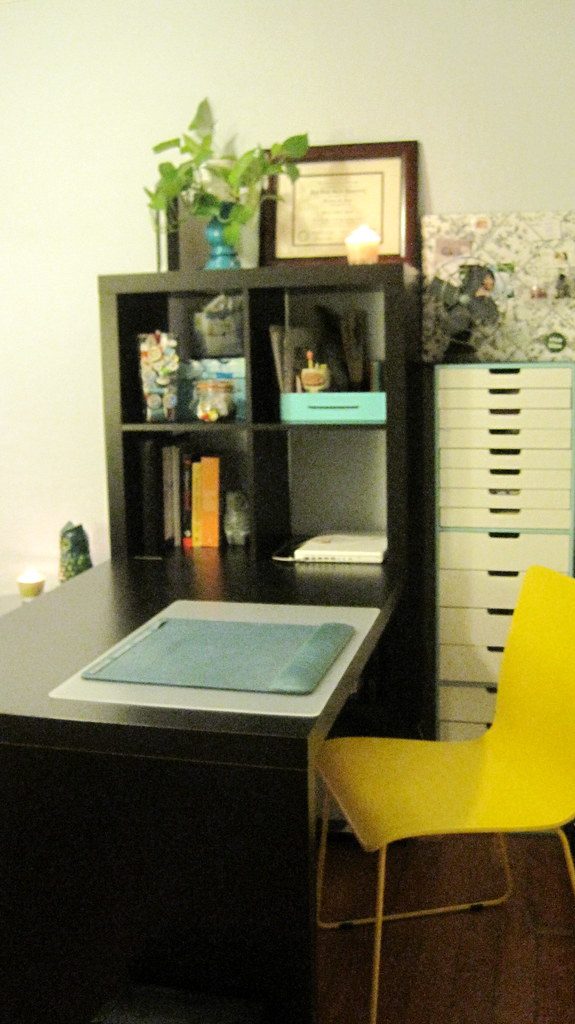
A founder in Dwarka once told me she had spent four months and roughly ₹2.1 lakh on a co-working desk she used maybe three days a week. Her GST application had been rejected twice because the address on the co-working agreement did not match the premises documentation the officer wanted. Meanwhile, her actual client meetings happened in cafés. The lesson she learned the expensive way is one most Indian founders learn eventually: the right workspace is not the one that looks most like a "real office." It is the one that fits your stage, your compliance obligations, and how your team actually works. This guide compares a virtual office vs co-working Dwarka options for early-stage founders and SMB owners across Delhi-NCR, with real numbers, registration rules, and the trade-offs that vendors rarely volunteer.
Dwarka sits in an unusual position. It is a planned sub-city with good metro connectivity, a large number of mid-rise commercial buildings along the Dwarka Sector 10, 11, 12, and 21 corridors, and a growing population of freelancers, small agencies, and e-commerce operators who prefer it to the costlier Cyber Hub belt in Gurgaon. That makes it a practical base for many businesses, but it also means the choice between a registered virtual address and a desk in a shared space is more nuanced than it looks on a brochure.
Key Takeaways
- A virtual office is a compliance and mail-handling solution. A co-working space is a productivity and presence solution. Most early-stage founders need the first before they need the second.
- For GST registration, a virtual office address works only if the registration type, documents, and landlord consent line up. Co-working addresses are often accepted but need the right lease structure.
- Typical Dwarka pricing (2025 to early 2026 ranges): virtual office ₹2,000 to ₹6,000 per month plus setup fees; hot-desk co-working ₹5,000 to ₹9,000 per month; dedicated desk ₹8,000 to ₹14,000 per month. Always confirm inclusions.
- Do not sign a co-working agreement for registration purposes until you have confirmed in writing that the address and sub-letting terms will satisfy GST officers.
- If you work mostly with clients remotely, a virtual office plus a meeting-room booking habit is usually cheaper than a full desk.
- Re-evaluate every six months. Your workspace should scale with headcount and revenue, not with ambition.
What Is the Real Difference Between a Virtual Office and a Co-working Space?
Vendors blur this line deliberately, so start with clear definitions. A virtual office gives you a registered business address, often in a building with reception and mail handling, plus call answering, mail scanning and forwarding, and sometimes access to meeting rooms by the hour. You do not get a seat. Your team works from home, a client's site, or a café. The address is what you use on your GST registration, MCA filings, bank KYC, and your website footer.
A co-working space gives you a physical seat (hot-desk, dedicated desk, or private cabin) in a shared environment. It usually includes internet, pantry, printing, and community events. The address is the building's address, but whether it is legally usable for registration depends on the specific agreement, the building's permitted use, and what you can produce as proof.
The practical implication: if your main need is "I need a legitimate address and my mail handled," you are shopping for a virtual office. If your main need is "my team needs a place to sit and collaborate every day," you are shopping for co-working. Many founders try to solve the first problem with the second product and end up overpaying.
How Much Does a Virtual Office or Co-working Space Cost in Dwarka?
Dwarka pricing has moved over the past two years, and quoted rates often exclude GST at 18 percent, security deposits, and setup fees. The ranges below reflect what founders typically encounter in Sectors 10, 11, 12, and 21 for 2025 to early 2026. Verify current quotes, as these shift with supply.
| Option | Typical Monthly Cost (ex-GST) | Setup / Deposit | Registered Address for GST? | Best For |
|---|---|---|---|---|
| Basic virtual office (address + mail) | ₹2,000 to ₹4,000 | ₹2,000 to ₹5,000 one-time plus 1 to 3 months deposit | Usually yes, with proper documents | Solo founders, remote teams, registration-only needs |
| Premium virtual office (address, call answering, meeting-room credits) | ₹4,000 to ₹6,000 | ₹5,000 to ₹10,000 plus deposit | Usually yes | Client-facing consultants, agencies pitching to corporates |
| Hot-desk co-working (flexible seat) | ₹5,000 to ₹9,000 | Membership fee plus 1 month deposit | Depends on agreement; often needs a registration-specific clause | Freelancers, 1 to 3 person teams needing occasional presence |
| Dedicated desk co-working | ₹8,000 to ₹14,000 | Deposit of 2 to 3 months | Possible; requires owner NOC and rent/lease proof | Small teams of 3 to 8 who work on-site most days |
| Private cabin (co-working) | ₹15,000 to ₹28,000 for 4 to 6 seats | Deposit of 2 to 3 months | Usually yes, with a formal lease | Teams of 4 to 6 needing privacy and a registered workplace |
Do the arithmetic on a full year, not a month. A ₹5,000 monthly hot desk costs ₹60,000 a year before GST, plus deposit. A ₹2,500 virtual office costs ₹30,000 a year. The ₹30,000 difference often covers a freelancer's entire client-meeting budget for six months.
Which Setup Works for GST Registration in Delhi-NCR?
This is where most founders in Dwarka get stuck, so be precise. GST registration requires a "principal place of business" address. The address must be supported by documents: for owned premises, a property tax receipt or ownership proof; for rented premises, a rent agreement plus the owner's NOC; for a virtual office, the service agreement and the provider's own registration documents plus utility or property proof of the building.
Under Delhi GST practice, officers look for three things: that the premises is real and accessible, that the business is genuinely operating from there, and that the address is not a hollow mail-drop with no connection to the applicant. A virtual office can pass this test when the provider is a reputable operator with proper documentation. A co-working desk can pass it when the agreement explicitly permits business registration use. Problems arise when either is vague.
Common documents an officer may request for a virtual office:
- Service agreement or address registration letter from the provider, on letterhead, with the registered unit number
- Owner or landlord NOC permitting business use (for virtual offices in leased buildings this is a frequent sticking point)
- Property tax receipt or sale/lease deed of the building or unit
- Electricity or property utility bill in the provider's name for the building
- Photographs of the premises signboard and entrance
For co-working, expect requests for the membership agreement, the owner's NOC for co-working use, and a letter from the operator confirming that your registered address is a dedicated, identifiable seat or cabin number. Some GST officers accept a hot-desk address; many ask for a dedicated desk or cabin, because a hot-desk address changes daily from the officer's point of view.
For a deeper walkthrough of how address rules apply to different registration types, see our guide on GST registration address 2026: home vs virtual office rules. If you run an e-commerce operation that may need registrations in more than one state, read how to use a virtual office for multi-state GST registration in 2026, and the companion piece on multi-state GST registration when e-commerce sellers expand.
What Does a Practical Decision Process Look Like?
Rather than debating features in the abstract, run through this sequence. It takes about an hour and will save you weeks of second-guessing.
- Write down your next 12 months in one paragraph. Headcount, revenue band, whether you will sign corporate clients who check your address, and whether you will hire staff who need a desk daily.
- List every place your business name must appear as an address. GST, MCA, bank KYC, your domain WHOIS and invoices, Shops and Establishments registration, and any tender or vendor-registration portal. Each one may have different requirements.
- Count your in-person hours per week. Be honest. Include client meetings, team days, and days when you need to focus away from home. If the total is under six hours a week, a virtual office with meeting-room credits is almost always the right call.
- Check the registration constraint first. If you need a GST registration this month, get a written confirmation from the provider that their documentation has been accepted for your registration type before paying a full deposit.
- Price a 6-month and a 12-month plan. Many operators give better rates on annual commitments, but lock-in is painful if your headcount drops. Negotiate a notice-period clause.
- Trial before you commit. Book a day pass or two meeting-room hours. Check the internet speed at peak hours (usually 11 AM to 1 PM and 5 to 7 PM), the lift wait time, and whether reception actually answers the phone.
- Revisit at six months. Compare your actual usage to what you pay. Switch if the numbers no longer match.
Which Founder Profile Fits Which Option?
Here is how the choice typically breaks down for the businesses we see in Delhi-NCR.
Solo founders and freelancers in the first year
A basic virtual office is almost always the right answer. You need an address for GST, a business bank account that accepts it, and a clean signature on invoices. You do not need a desk every day. Spend the savings on a good laptop, a reliable backup internet connection, and one or two co-working day passes per month for client-heavy weeks.
Agencies and consultancies of 3 to 8 people
This group is the hardest to classify. You likely need a registered address and a place where the team sits together on at least two or three days a week. A dedicated desk arrangement or a small cabin often beats both extremes. Negotiate a combined package: a virtual office plan for registration plus a fixed number of desk days. Some Dwarka operators bundle these, but you have to ask.
E-commerce and logistics operators
Your operational footprint is usually warehouses and courier partners, not your head office. A virtual office handles registration and the mail that comes from marketplaces, banks, and government departments. Use the money you save to invest in inventory or a proper warehouse partner. If you have a multi-state scale, the multi-state GST guidance linked above applies.
Early-stage tech and product teams
Engineers and designers often prefer a real desk, and this is one place where co-working earns its cost. A hot-desk plan for three or four days a week can improve collaboration without the overhead of a lease. Keep the registered address on a virtual office plan and book the hot desk separately, so you are not forced to use the co-working agreement for registration.
What Are the Hidden Costs and Trade-offs?
Quoted rates understate the real cost of both options. Build these into your model before you compare:
- GST at 18 percent on the monthly fee, on top of the number you were quoted.
- Security deposits, often two to three months, refundable but tied up for years in some agreements.
- Setup and documentation fees, which can run ₹2,000 to ₹10,000 one-time.
- Extra meeting-room hours, often ₹300 to ₹800 per hour in Dwarka, which add up fast if you meet clients weekly.
- Printing, scanning, and courier charges on virtual office plans, particularly if you receive many physical documents.
- Internet backup. Co-working internet is usually good, but on virtual office days you need your own connection. A basic dual-SIM plan is worth budgeting.
Then consider the indirect costs. A co-working space can cut the commute and the cost of a home office setup, but it can also tempt you into a schedule that depends on an hour's travel each way. A virtual office keeps you flexible but can isolate founders who need peer contact.
Common Mistake: Signing Co-working for a Registration Address Without Checking the Agreement
Pro Tip (learned the hard way): Most co-working membership agreements state that the space is for "office and co-working use" and reserve the right to change seats. Neither clause is a problem for daily work, but both can be a problem for GST. Before using a co-working address for registration, ask the operator for a letter that confirms your specific seat or cabin number, states that it can be used as your principal place of business, and confirms the owner's NOC covers business registration. Without that letter, the officer may reject the application or ask for a fresh set of documents months later, when you are trying to renew a tender or open a bank facility.
How Do You Brief a Provider So You Don't Get Surprised?
If you are comparing providers, give each one the same brief. This makes quotes comparable and exposes gaps early. Send an email with these points:
- Your business type, registration type (for example, regular GST, composition, or a new private limited company), and the state you are registering in.
- Whether you need the address on your GST certificate, MCA records, and bank KYC.
- Your expected monthly in-person usage in hours, and your expected meeting-room usage.
- Whether you need call answering, mail scanning, or courier forwarding, and the expected volume.
- The documents you need the operator to provide for registration, with a request for written confirmation that these are acceptable for your application type.
- Any requirement for a dedicated desk or cabin number.
- Your preferred contract length, notice period, and deposit expectations.
Ask for the full price including GST, deposit, setup, and any mandatory charges. A provider who hesitates to put these in writing is telling you something.
Where Does eDarpan Fit In?
eDarpan works with Indian SMBs on the technology and compliance side of this decision, and many of the questions above come up when a business moves from a single laptop to a proper operating setup. If you are choosing a workspace and also need help with the surrounding systems, our IT consulting team can help you plan the network, cloud, and collaboration tools to match a virtual or hybrid setup. Teams that move to remote-first work often need help with Google Workspace licensing or Microsoft 365 licensing, and businesses that want to automate customer communication can explore our WhatsApp Business API and AI voicebot services, which work well when your team is not physically in one place.
Our virtual office address for GST and company registration page explains what we provide for registration purposes and what documentation is needed. If you are deciding whether to lease or buy premises as you grow, our property listings in India and the rental properties section can help you compare options. You can also contact eDarpan to talk through your specific setup, or read more about who we are and how we work.
For a city-specific comparison focused on Delhi-NCR cost structures, read Virtual Office vs Co-working for Delhi-NCR Startups: Which Saves More in 2026?. If your registration has already hit a snag with a co-working address, co-working GST registration hurdles and fixes for SMBs covers the usual causes and how to resolve them.
Frequently Asked Questions
Can I use a virtual office address for GST registration in Dwarka?
Yes, in most cases, provided the virtual office provider gives you proper documentation, including a service agreement, the building's ownership or lease proof, and an owner NOC permitting business use. Confirm acceptance in writing before paying a full deposit, because officers in Delhi may ask for additional papers.
Is co-working cheaper than a virtual office in Dwarka?
Usually not. A basic virtual office in Dwarka typically costs ₹2,000 to ₹4,000 per month before GST, while a hot desk runs ₹5,000 to ₹9,000. Co-working becomes cost-effective only if you use it daily and the productivity benefit is real for your team.
Can a hot-desk co-working address be used for GST?
It is possible but less reliable than a dedicated desk or cabin. Hot-desk seats change, and GST officers prefer an identifiable, fixed location. If you must use hot-desk membership, get a written confirmation from the operator that your specific arrangement qualifies.
What documents do I need for a virtual office GST registration?
Typically the service agreement or address letter from the provider, the building owner's NOC, a property tax receipt or lease deed for the building or unit, a utility bill in the building's name, and photographs of the premises entrance and signboard. Requirements vary by officer and state, so confirm the specific list before applying.
How long should I commit to a virtual office or co-working contract?
Six to twelve months is a reasonable range for early-stage businesses. Shorter commitments cost more per month but protect you if your plans change. Negotiate a notice-period clause and a clear deposit refund process before signing.
Do I need a separate office if I only meet clients occasionally?
No. For most businesses meeting clients a few times a month, a virtual office with meeting-room credits or pay-per-use booking is more economical than a permanent desk. Keep a list of your client meetings for a month to confirm this before committing.
Will a virtual office address hurt my credibility with corporate clients?
Rarely, if the address is in a reputable building and your website, invoices, and email signature are consistent. Corporate procurement teams generally check registration and tax documents, not whether you have a permanent desk. What hurts credibility more is a vague or inconsistent address across your documents.
Image credit: Office in progress by lilszeto via flickr (BY-ND 2.0), sourced through Openverse.
Written by
Kavita Joshi
Business consultant with 12 years of experience helping Indian startups navigate GST compliance, company registration, and operational scaling. Kavita has guided 200+ businesses through their first year.
Looking for a technology partner?
From IT consulting to virtual office to custom software — eDarpan can help.
Continue reading

Virtual Office vs Co-working for Delhi-NCR Startups: Which Saves More in 2026?
Rents in Delhi-NCR keep climbing. Compare the true monthly cost of a virtual office vs co-working in Noida and Gurgaon, plus GST address rules, to see which saves more.

How to Use a Virtual Office for Multi-State GST Registration 2026
Learn how a virtual office solves the biggest GST hurdle for e-commerce sellers, enabling legal multi-state registration without a physical office. Step-by-step guide.

Multi-State GST Registration 2026: When E-commerce Sellers Expand
Expanding to Amazon FBA or Flipkart FCs in new states? Learn when multi-state GST registration is mandatory and how virtual offices save lakhs in rent.