Unsold Inventory Up 12%: Buy, Rent or Wait in Dwarka Right Now
Unsold inventory is up 12%. Here's a rupee-level framework for Dwarka buyers deciding whether to buy, rent or wait, with the break-even math that matters.
Here is a number that should change how you think about your next property decision. Unsold inventory across the top housing markets rose by roughly 12 percent in the latest reporting cycle, which means developers are sitting on more finished and near-finished flats than they were a year ago. For a Dwarka family that has been watching prices climb for three years, that sounds like good news. For a first-time buyer who has just stretched their home loan to the limit, it raises a harder question: if supply is building, is it worth waiting, or is the rent you are paying every month quietly eating the savings you were supposed to put toward a down payment?
Most advice on this topic is either a headline prediction ("prices will crash," "prices will double") or a generic checklist that ignores where you actually live. Neither helps when you are deciding between a 2BHK in Sector 23 Dwarka and a rented flat in Uttam Nagar with your name on a lease. This post is a practical framework for that decision. We will look at what unsold stock really tells you, how the affordable segment is behaving differently from the luxury end, how to run your own break-even math in rupees, and a checklist you can work through before you sign anything. If you have been asking yourself whether you should buy property now or wait 2026, the answer depends on arithmetic more than on forecasts.
Key Takeaways
- Rising unsold inventory gives buyers negotiating room mainly in the mid-market and under-construction segments, not uniformly across all projects.
- The affordable segment (typically under about ₹80 lakh in Dwarka and nearby NCR micro-markets) has absorbed more buyer demand than the premium tier, so its pricing behaves differently.
- Your break-even horizon is the single most useful number. If you expect to stay put for fewer than about 5 to 7 years, renting usually wins after transaction costs.
- Stamp duty, registration, brokerage, GST on under-construction purchases and the interest cost of your loan all belong in the calculation, not just the sticker price.
- Check RERA registration, title and encumbrance status, and the developer's delivery history before you negotiate on price. A discount on a stalled project is not a discount.
- Decide on your own timeline and cash position first. Market timing is a weak substitute for a clear personal number.
Should I buy property now or wait 2026? Start with what unsold inventory actually means
Unsold inventory is the count of units that have been built or launched but not yet sold. When it rises, it usually means one of three things: developers launched more projects than the market could absorb at their asking prices, buyers are hesitating because of interest rate uncertainty, or home loan disbursement has slowed for a particular price band. A 12 percent rise tells you the pipeline is getting heavier. It does not, by itself, tell you prices are about to fall.
The useful question is where the unsold stock sits. In most NCR micro-markets, unsold units cluster in the premium and ultra-premium segment, where ticket sizes are large and buyers need either significant equity or deep pockets. Affordable and mid-segment projects, especially those with clear RERA registration and a track record of handover, tend to sell faster. That split matters because a 12 percent rise in aggregate inventory can coexist with tight supply in the ₹40 to ₹70 lakh range.
Pro Tip: Ask the developer's sales team for the unit-wise status of the specific tower you are considering, not the project-level brochure figure. Developers often quote total project sales, which can hide the fact that the floors and facings you actually want are already gone. Also ask what fraction of the project is booked versus registered. A high booking number with low registration can signal cancellations.
What the affordable segment is doing differently
Affordable housing in Dwarka and adjoining areas has seen steady end-user demand, partly because it is the price band where most salaried buyers and first-time purchasers can actually qualify for a loan. A typical home loan at prevailing rates needs a monthly EMI that fits within roughly 40 to 50 percent of take-home pay, depending on the lender. That ceiling caps how high the market can rise in this band without a corresponding rise in incomes, which is why price growth here has been more measured than headline figures suggest.
The flip side is that developers in this segment have less room to offer deep discounts, because their margins are thinner and their projects move faster. Your negotiating leverage is more likely to come from payment plans, waived or reduced parking charges, or a club membership fee concession than from a large cut in the base rate.
How do I work out the break-even point between renting and buying in Dwarka?
This is the most important section in this post, and it is where most buy-versus-rent conversations go wrong. People compare the EMI with the rent and conclude that buying is cheaper or dearer. That comparison leaves out nearly everything that matters.
A proper break-even calculation has four parts: the total cash you spend to buy, the total cash you spend to rent over the same period, the value you can reasonably expect the property to hold, and the return you give up on the down payment and transaction costs you would otherwise have invested.
A worked example: a Dwarka family deciding in 2026
Consider a family of three currently paying ₹28,000 per month in rent for a 2BHK in Uttam Nagar. They are considering a 2BHK in a mid-segment project in Sector 19 Dwarka priced at ₹62 lakh. Their plan is to take a home loan of ₹50 lakh over 20 years at an assumed rate of around 8.7 percent, putting ₹12 lakh of their own money down.
Here is a rough version of their numbers, which you should redo with your own inputs:
- Monthly EMI on ₹50 lakh at 8.7 percent for 20 years is roughly ₹43,400.
- Stamp duty and registration in Delhi are substantial, in the range of around 6 percent of the registered value plus registration fees, so on a ₹62 lakh property the upfront cost is in the region of ₹4 to ₹4.5 lakh. Confirm current rates with the sub-registrar or your advocate, as they change.
- If the property is under construction, GST applies at the concessional rate on the under-construction portion, which you should verify against the builder's invoice and current rules.
- Brokerage, loan processing fees, legal vetting and interior basics add another ₹1.5 to ₹2 lakh in many cases.
- Foregone return: the ₹12 lakh down payment plus ₹5 to ₹6 lakh in upfront costs, if invested at a conservative 7 percent post-tax, forgoes around ₹1.2 to ₹1.4 lakh per year.
Over a 7-year horizon, the family's rent alternative would cost them roughly ₹28,000 times 84 months, which is about ₹23.5 lakh, plus rent escalation if their landlord increases it. Buying costs them EMI payments of about ₹43,400 times 84 months, which is roughly ₹36.5 lakh, but that money is partly principal they keep as equity. The honest comparison is between (a) the interest and transaction costs they pay and forgo, and (b) the rent they avoid plus the appreciation they capture on the asset.
In this example, the break-even on a 7-year horizon depends heavily on what happens to property values in the next several years. If the flat appreciates modestly, renting and investing the difference can match or beat buying. If it appreciates steadily and the family stays the full period, buying pulls ahead. This is exactly why a fixed time horizon matters more than any forecast.
Common Mistake: Treating the EMI as the full cost of owning. Maintenance charges, property tax, society fees, power backup and insurance all accrue, and they are not small in multi-tower societies. Include them. The same applies to renting: if your landlord does not cover certain charges, add those in too.
The rule of thumb that holds up
As a rough guide, if you are confident of staying in one property for at least 5 to 7 years, buying becomes competitive once you include transaction costs. If you expect to move within 3 years, renting is usually the better financial choice unless you are buying at a clear discount to fair value. Use these as starting points, then run the numbers for your own loan terms.
What checks should I run before committing to an under-construction or ready flat?
Rising unsold stock often comes with a temptation to take a deal that looks cheap. A discount is only real if the property will be delivered, titled correctly and legally usable. Before you negotiate, work through these checks.
- Confirm RERA registration for the project on the state RERA portal and check the registration number against the builder's documents. Note the committed possession date.
- Ask for the approved building plan and the environmental and fire clearances that apply to the project height and size.
- Get a title search done by an advocate. Look for encumbrances, pending litigation, and whether the land was acquired through a proper chain of ownership or a development agreement.
- Check the builder's delivery history: how many past projects were handed over on time, and whether any are stuck in litigation or with pending occupancy certificates.
- Verify the occupancy certificate status for ready-to-move properties and the completion certificate timeline for under-construction ones. Without these, your loan and your utility connections can be delayed.
- Review the builder-buyer agreement carefully, especially the delay compensation clause, the cancellation terms and the schedule of payments linked to construction milestones.
- Confirm the carpet area against the super built-up area and understand how the loading factor affects your effective price per square foot.
If you are weighing a Dwarka flat against a plot in Gurugram, the same discipline applies, though the planning and title considerations differ. For a side-by-side look at how those choices compare on rupee value, read Dwarka Flat or Gurugram Plot? Where Your Rupee Goes Further in 2026.
Does rising inventory mean I can negotiate a better price?
Sometimes, yes, but the negotiation looks different from the one most people imagine. Developers rarely cut the headline price on a popular project. They are more likely to offer structured concessions: a subvention scheme where they pay the EMI during construction, a reduced booking amount, waived preferential location charges, or an extended payment plan. Each of these changes your effective cost, so compare them in rupee terms rather than accepting the phrase "limited time discount" at face value.
A practical approach: obtain at least two or three comparable unit quotes in the same micro-market, note the price per square foot on carpet area, and ask for the concession in writing alongside the total outgo over the payment schedule. Then run the break-even calculation using the discounted figure. A ₹2 lakh saving on paper can disappear if the concession ends your access to a lower interest rate or triggers a higher stamp duty base.
How should I plan my home loan if I decide to buy?
Interest rates are one of the biggest variables in your decision, and they are hard to predict. Rather than betting on a rate cut, plan for the rate you can actually get and the EMI you can comfortably carry if rates stay where they are or rise. Keep at least 6 months of EMI and household expenses as a reserve before you commit, because the real risk in property ownership is not the price of the flat but the cash flow strain that follows a job change or an unexpected expense.
Compare floating and fixed options with the lender, check the prepayment penalty terms, and look at whether your bank allows balance transfer without heavy charges. A small difference in rate on a 20-year loan compounds into a large difference in total interest, so spend time on this step.
If you are still comparing whether to buy or keep renting, the Noida analysis in Rent or Buy in Noida 2026: Break-Even Math for Indian Homebuyers walks through the same logic with different numbers, which is useful if your shortlist spans both cities. You can also review the broader question in Housing Sales Down 6% in 7 Cities: Should You Buy Now or Wait?, which looks at how sales slowdowns interact with buyer timing.
When does waiting actually make sense?
Waiting is a legitimate choice, but only when it has a specific purpose. Waiting to see whether prices will fall is not a plan. Waiting to build your down payment, clear an existing loan, stabilise your income or let a project you like reach a verifiable milestone is a plan. Set a trigger in advance: a savings target, a completed occupancy certificate, or a rate threshold. Then wait for the trigger, not for a headline.
Renting while you wait is not wasted money if you use the difference wisely. Redirect the gap between your intended EMI and your current rent into a liquid, low-risk fund. Over two or three years this often builds a meaningful down payment. The point is to make waiting an active decision with a number attached.
Frequently asked questions
Should I buy property now or wait 2026 if I have a stable job?
A stable job helps, but it does not settle the question alone. Run the break-even calculation over the number of years you realistically expect to stay, including transaction costs, interest and the return you forgo on your down payment. If your horizon is 5 years or more and the numbers work at your loan terms, buying can make sense now. If your horizon is shorter, waiting or renting is often better.
Is unsold inventory a sign that property prices will fall in Dwarka?
Not necessarily. Rising unsold stock indicates more supply relative to current demand at certain price points, which can slow price growth and increase negotiating room in some projects. It does not guarantee a broad fall, and the effect varies sharply by segment. Affordable projects with strong end-user demand may hold their value even while premium inventory sits unsold.
What is the break-even point for renting vs buying a flat?
There is no single number, because it depends on your loan rate, your down payment, transaction costs, rent levels, expected appreciation and your alternative return on savings. As a working guideline, buying tends to become competitive after about 5 to 7 years once upfront costs are included. Run your own calculation with your actual figures before deciding.
How much stamp duty and registration will I pay on a flat in Delhi NCR?
Stamp duty and registration charges vary by state and by the type and value of the transaction, and they change periodically. In the Delhi region, budget a significant percentage of the registered value for stamp duty and add registration fees on top. Confirm the current rates with a registered advocate or the sub-registrar before finalising your budget, since using an outdated figure can throw off your entire calculation.
Are under-construction flats safer than ready-to-move flats in the current market?
Neither is inherently safer. Under-construction flats can offer lower entry prices and flexible payment plans but carry delivery and delay risk. Ready-to-move flats cost more upfront but let you see the actual unit and avoid construction delay exposure. The safety depends on the developer, the RERA status, the title and the delivery track record, which apply to both.
Can I get a home loan for a property under construction?
Yes, most lenders offer construction-linked disbursement, where the loan is released in stages as construction progresses, and you pay interest on the disbursed amount during construction. Check the lender's policy on pre-EMI interest and whether they require the project to hold specific approvals. Ask for the full disbursement schedule in writing.
What should I do first if I am ready to start looking seriously?
Begin with your own numbers: your monthly surplus, your savings, your likely loan eligibility and your realistic time horizon. Then shortlist two or three micro-markets and projects, run the RERA and title checks, and compare the total cost of each option, not just the listed price. If you want help with the legal, financial or property search side, contact eDarpan and we can talk through your specific situation. You can also browse listings on properties for sale in India or compare them with rental properties in India to see how the numbers look in your target area.
Closing thoughts: decide on arithmetic, not anxiety
The market will always produce a headline that makes the decision feel urgent or hopeless. Rising unsold inventory is one of those headlines. It is worth understanding, and it may open up better terms in certain projects, but it does not replace the work of checking the title, running the break-even math and matching a purchase to your actual timeline and cash position. Whether you should buy property now or wait 2026 is a question you can answer for yourself with a spreadsheet, a clear horizon and a short list of verified projects.
If you want an independent view on your numbers, or you are already in the middle of a purchase and want the documents reviewed, eDarpan's property team can help you work through it. For property search, legal support and transaction guidance, explore eDarpan Properties, and read more about who we are at about eDarpan. Make the decision with your numbers in front of you, and revisit them every six months as your income, the rate environment and your plans change.
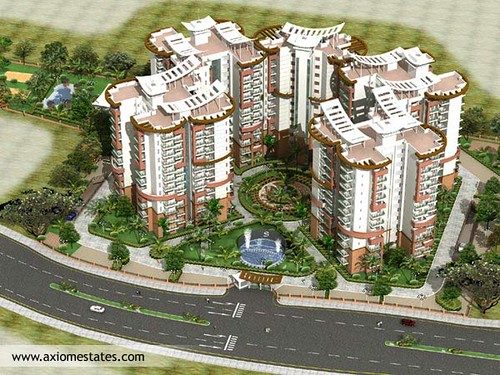
Image credit: Bangalore Properties - Real Estate India - Shriram Symphony by nancyarora2020 via flickr (BY-SA 2.0), sourced through Openverse.
Written by
Rajesh Tiwari
Real estate analyst covering property markets across Delhi NCR, Mumbai, and Bangalore. Rajesh tracks pricing trends, RERA compliance, and investment opportunities for residential and commercial buyers.
Looking for a technology partner?
From IT consulting to virtual office to custom software — eDarpan can help.
Continue reading
Delhi-NCR Home Prices Up 12%: Is Buying in Dwarka Still Smart?
Prices in Dwarka are up 12%, but is buying still smart? We work through stamp duty, rental yield, EMI math and when waiting beats buying.
Rent or Buy in Noida 2026: Break-Even Math for Indian Homebuyers
Is buying a flat in Noida actually cheaper than renting? A break-even framework covering EMI, stamp duty, maintenance, and opportunity cost to help you decide.
Dwarka Flat or Gurugram Plot? Where Your Rupee Goes Further in 2026
Dwarka flat or Gurugram plot? We compare yield, appreciation, compliance traps and hidden costs to show where your rupee really goes further in 2026.