AI Advertising for Indian SMBs: What Actually Drives Growth
AI ad tools helped 75-87% of Indian SMBs grow, but only when done right. Here's what actually drives ROI on WhatsApp, SMS and performance ads.

Last quarter, a friend who runs a garment wholesaling business in Surat called me, frustrated. He'd hired an agency, burned through ₹1.2 lakh on Meta and Google campaigns, and had almost nothing to show for it. Meanwhile his neighbour, running a smaller kirana-turned-D2C snacks brand, was pulling steady orders off WhatsApp with a budget half that size. Same city, same rupee, wildly different outcome. The difference wasn't luck. It was how each of them used the AI tools that are now baked into every major ad platform.
Here's the number that got a lot of attention recently: Amazon Ads' 2024 India study found that between 75% and 87% of surveyed Indian small and medium businesses credited AI-powered advertising tools with helping them grow. That's a striking figure, and it's easy to read it as "AI ads = growth, just switch it on." But I've deployed enough campaigns for MSMEs across Bengaluru, Pune, Jaipur and Coimbatore to tell you the story is more nuanced. AI moves the needle when you feed it clean data, clear goals, and a channel your customers actually use. Otherwise it just spends your money faster.
This post breaks down what AI advertising for Indian SMBs genuinely delivers versus what's marketing hype, which WhatsApp and SMS tactics earn their keep, and how to structure spend so a ₹40,000 monthly budget behaves like a ₹1 lakh one. I'll walk through a real-ish worked example, give you a vendor comparison, and end with an FAQ you can hand to your marketing person or agency.
Key Takeaways
- AI ad tools reliably improve targeting, bidding and creative testing, but they need at least 30–60 days of clean conversion data before they outperform manual setups.
- For most Indian SMBs, WhatsApp and SMS drive better ROI than pure display advertising because they reach customers on a channel they already check dozens of times a day.
- WhatsApp's per-message pricing changed in 2025–2026, so plan campaigns around utility and marketing template categories, not blast volume.
- Track conversions properly (server-side or offline uploads) or the AI optimises toward junk clicks. This is the single biggest reason campaigns fail.
- Budget in tiers: performance ads for demand capture, WhatsApp for retention and reorders, SMS for time-sensitive or low-connectivity reach.
- Start small, let the algorithm learn, then scale winners. Don't restructure campaigns every week.
Why do 75-87% of Indian SMBs credit AI ad tools for growth?
The honest answer: because AI removed work that most small business owners were doing badly or not at all. Before automated bidding, you had to manually set cost-per-click limits, guess at audiences, and check dashboards daily. A shop owner in Ludhiana running his own campaigns simply didn't have time for that. AI bidding closed the skill gap.
What these tools actually do well:
- Audience discovery. Google's Performance Max and Meta's Advantage+ find lookalike buyers you'd never have targeted manually. This is where the real lift comes from.
- Real-time bid adjustment. The system raises bids for a user likely to convert at 9 PM and lowers them for a tyre-kicker at 3 PM. No human can do this across thousands of auctions per hour.
- Creative combinations. You upload five headlines, five images, three descriptions, and the AI tests combinations, keeping winners. This alone often lifts click-through by 15–25%.
But notice what's missing from that list: strategy, offer, and channel fit. AI optimises within the box you draw. If your offer is weak or you're advertising a ₹3,000 product to college students with no budget, no algorithm saves you. The 75-87% who saw growth largely had a decent product and let AI handle the mechanical grind. That's the part the headline doesn't say.
Which AI advertising tactics actually move the needle?
Let me rank these by what I've seen produce results for Indian SMBs, not by what vendors push hardest.
1. Conversion-optimised campaigns with proper tracking
This is the foundation. If you run "traffic" or "engagement" campaigns, the AI optimises for cheap clicks and likes, which don't pay salaries. Switch to conversion objectives and install proper tracking. For an e-commerce store, that means the Meta Pixel plus the Conversions API (server-side), and Google's enhanced conversions. For a lead-gen business (say a coaching centre in Kota or an interior designer in Noida), upload offline conversions so the AI learns which leads actually closed.
Pro Tip: Feed the algorithm your real conversion value, not just conversion count. If your average order is ₹2,400 but you also have ₹18,000 bulk orders, pass the actual value back. The AI will start chasing the high-value buyers. I've seen this single change lift ROAS from 3.2x to 5.1x in about six weeks for a home-decor seller.
2. WhatsApp click-to-message ads
These are Meta ads with a "Send Message" button that opens a WhatsApp chat. For Indian SMBs this is often the highest-ROI ad format, because Indians are far more comfortable messaging than filling forms. A jewellery store in Jaipur I worked with dropped their cost-per-lead from ₹340 (landing page form) to ₹95 (WhatsApp click-to-chat) simply by changing the destination.
Pair this with a proper WhatsApp Business API setup so responses are fast and can be partly automated. If someone messages at midnight, an auto-reply plus a follow-up template the next morning keeps the lead warm.
3. Retargeting with AI-optimised frequency
Most first-time visitors don't buy. Retargeting brings them back, and AI now controls how often they see your ad so you don't annoy them into blocking you. Keep retargeting windows tight (7–14 days for impulse products, 30 days for considered purchases).
4. Automated SMS for the offline and low-data segment
Don't write off SMS. In smaller towns and among older buyers, SMS still lands where WhatsApp marketing messages get ignored. It's unbeatable for OTPs, delivery updates, EMI reminders, and time-boxed offers. A reliable bulk SMS service with DLT-registered templates is cheap insurance for reaching customers when data connectivity is spotty during festivals or in tier-3 areas.
WhatsApp vs SMS vs Meta Ads vs Google Ads: where should the budget go?
There's no universal split, but this table reflects what I typically recommend for an Indian SMB doing ₹5–50 lakh in annual revenue. Use it as a starting point, then let data reshape it.
| Channel | Best for | Typical cost (India) | AI leverage | Time to results |
|---|---|---|---|---|
| Google Ads (Search + PMax) | Capturing existing demand ("plumber near me", product searches) | ₹8–40 per click depending on category | High (Smart Bidding, PMax) | 2–4 weeks |
| Meta Ads (Advantage+) | Creating demand, D2C products, click-to-WhatsApp | ₹0.5–3 per engagement; ₹80–350 per lead | High (auto audience, creative) | 1–3 weeks |
| WhatsApp Business API | Retention, reorders, cart recovery, support | Per-message: ~₹0.11–0.90 by category (2026 model) | Medium (chatbots, smart routing) | Immediate for existing contacts |
| Bulk SMS (DLT) | Alerts, OTPs, offers, low-connectivity reach | ₹0.12–0.25 per SMS | Low (mostly scheduling/segmentation) | Immediate |
Notice WhatsApp pricing shifted to a per-message model. If you're planning 2026 budgets, read our breakdown of the WhatsApp Business API per-message pricing so you don't get surprised by a bill when you scale broadcasts. The category of each message (utility vs marketing vs authentication) now directly affects cost.
A worked example: how a Pune D2C brand restructured spend
Let me make this concrete. A 12-person direct-to-consumer wellness brand in Pune was spending roughly ₹85,000 a month split like this: ₹50,000 on Meta "traffic" campaigns, ₹25,000 on boosted Instagram posts, ₹10,000 on a landing-page tool. Their return on ad spend hovered around 1.8x, which after COGS and GST left them basically flat. The owner was ready to quit paid ads entirely.
Here's what we changed over eight weeks:
- Fixed tracking first. We installed the Meta Conversions API server-side and passed actual purchase values. Two weeks of clean data before touching anything else. This alone let the AI stop optimising for cheap clicks.
- Consolidated campaigns. They had 14 ad sets fragmenting the budget. We merged into two Advantage+ shopping campaigns so the algorithm had enough data per campaign to learn. Fragmented budgets starve the AI.
- Moved ₹15,000 to click-to-WhatsApp. New customers who weren't ready to buy could ask questions on WhatsApp. Cost-per-conversation came in at ₹64.
- Built a WhatsApp reorder flow. Using the WhatsApp Business API, we sent utility-category reorder reminders timed to when a product typically runs out (a 30-day supplement got a reminder on day 26). Reorder rate jumped because the message arrived exactly when needed.
- Added DLT-registered SMS for delivery updates. This cut "where is my order" support messages by about 40% and improved reviews.
Result after eight weeks: total spend held near ₹80,000, but blended ROAS moved from 1.8x to 3.6x. The WhatsApp reorder flow contributed almost ₹2.1 lakh in repeat revenue at near-zero acquisition cost. The lesson isn't "spend more." It's route the budget where AI and channel behaviour compound.
Common Mistake: Restructuring campaigns every few days because results look bad in week one. AI bidding needs a learning phase (roughly 50 conversions per campaign in a week to exit "learning" on Meta). Every major edit resets that clock. I've watched businesses sabotage perfectly good campaigns by fiddling. Set it, give it 14 days, then judge.
How do I set up AI-powered WhatsApp advertising properly?
Here's a practical sequence you can hand to a vendor or work through yourself. This assumes you're doing meaningful volume; for very small lists, the free WhatsApp Business app is fine to start.
- Get on the official API. Marketing-software middlemen that promise "unlimited WhatsApp blasting" through unofficial methods get banned. Use the official WhatsApp Business API through an approved provider. Our comparison of WhatsApp marketing software vs the Business API explains why this matters for account safety.
- Verify your business. Meta Business verification takes anywhere from a day to two weeks. Have your GST certificate, business registration, and a matching website ready. This is where most delays happen.
- Register message templates. Marketing, utility, and authentication templates get approved separately. Utility templates (order updates, reminders) are cheaper and approve faster. Draft yours to fit the right category.
- Set up click-to-WhatsApp ads in Meta. Choose the "Messages" objective, WhatsApp as the destination, and let Advantage+ audience handle targeting initially.
- Build automation thoughtfully. A welcome flow, an FAQ deflection, and a handoff to a human for anything the bot can't handle. Note that Meta has tightened rules on third-party AI bots; read the update on the WhatsApp API AI chatbot restrictions before choosing an automation vendor.
- Segment your contacts. New leads, repeat buyers, lapsed customers. Send different messages to each. Blasting the same offer to everyone burns opt-outs and, under the new pricing, real money.
- Measure per-message ROI. Track revenue per template. Kill templates that don't convert.
If this feels like a lot, it is. Getting the API, verification, DLT (for SMS), and tracking all working together is exactly the kind of thing our IT consulting team sets up for SMBs so you're not stuck debugging Meta rejections at 11 PM. We also handle the DLT-registered bulk SMS side so both channels run from one plan.
What compliance and setup do Indian businesses actually need?
This is where a lot of DIY campaigns stall. A few India-specific requirements:
- DLT registration for SMS. Every commercial SMS in India must go through TRAI's DLT (Distributed Ledger Technology) platform. You register your entity, your sender ID (header), and your templates. Without this, your messages don't deliver. Budget a few days for approvals.
- GST on ad spend. Google and Meta charge 18% GST on ad invoices to Indian businesses. Make sure your GSTIN is on file so you can claim input credit. Many small businesses leave this money on the table.
- MSME/Udyam registration. Not required for ads, but it unlocks certain benefits and lends credibility during Meta business verification.
- A registered business address. Meta verification and GST both want a legitimate business address. If you run from home or want a presence in a metro without renting office space, a virtual office address for GST and company registration solves this cleanly.
- Consent for marketing messages. Under WhatsApp policy and general good practice, you need opt-in before sending marketing templates. Keep a record of how each contact opted in.
Get these right once and everything downstream runs smoothly. Skip them and you'll hit walls right when a campaign is gaining momentum.
When does AI advertising NOT make sense for an SMB?
I'd be a poor consultant if I only sold the upside. AI advertising underperforms when:
- Your volume is tiny. If you're spending under ₹15,000 a month, the AI never gets enough conversion data to optimise. You're better off with tight manual targeting or focusing purely on WhatsApp to your existing customers.
- Your margins are thin and CAC is high. A product with 12% margin can't sustain a ₹300 cost-per-acquisition. Fix pricing or retention economics first.
- You have no way to fulfil at scale. Ads that generate 200 leads a week are worthless if you can only handle 20 calls a day. Sometimes the answer is an AI voicebot to qualify and route leads before a human touches them.
- Your website or checkout is broken. The best campaign in India can't fix a checkout that times out. Sort your tech first. If your storefront or app needs work, that's where custom software or mobile app development matters more than ad budget.
Meta has also been rolling out its own Business AI on WhatsApp, which changes what's possible for automated customer conversations. Worth understanding before you build heavy custom automation that might overlap with what the platform provides natively.
Frequently asked questions
Is AI advertising worth it for a small business in India?
Yes, if you're spending at least ₹15,000–20,000 a month and have working conversion tracking. Below that threshold the algorithm can't learn effectively, and you'll get better results from WhatsApp marketing to existing customers plus tightly targeted manual campaigns.
How much should an Indian SMB spend on AI-powered ads per month?
Start with ₹20,000–40,000 monthly and hold it steady for 60 days so the AI can learn. Don't scale until you see a consistent return on ad spend above roughly 3x. Once you have proven winners, increase budget by 20–30% per week rather than doubling overnight, which resets the learning phase.
Should I use WhatsApp or SMS for marketing in India?
Use both for different jobs. WhatsApp works best for rich, two-way engagement, reorders, and cart recovery, while SMS is unbeatable for OTPs, delivery alerts, and reaching customers in low-connectivity areas or older demographics. Remember SMS requires DLT registration, and WhatsApp now charges per message by category.
Do I need the WhatsApp Business API or is the free app enough?
The free Business app is fine for a solo owner handling a few dozen chats a day manually. Once you need automation, multiple agents, broadcast at scale, or click-to-WhatsApp ads, you need the official API through an approved provider. Our comparison guide walks through when to switch.
Will AI ad tools replace my marketing agency?
Not entirely. AI handles bidding, audience discovery, and creative testing far better than a human, but it can't set strategy, write a compelling offer, or fix your product-market fit. The role shifts from button-pushing to strategy, creative direction, and data hygiene. A good agency or in-house person is more valuable now, not less.
How do I claim GST input credit on Google and Meta ad spend?
Ensure your GSTIN is entered in your Google Ads and Meta billing settings before invoices are generated. Both platforms then issue GST-compliant invoices with 18% tax you can claim as input credit. If your GSTIN isn't on file, the credit is lost for those invoices, so fix this before your next billing cycle.
What's the biggest mistake SMBs make with AI advertising?
Running "traffic" or "engagement" campaigns instead of conversion campaigns with proper tracking. Without clean conversion data, the AI optimises toward cheap clicks that never buy. Fix tracking first, feed the system real revenue values, and let it run for at least two weeks before judging.
Bringing it together
The Amazon Ads finding that 75-87% of Indian SMBs credit AI tools for growth is real, but it rewards the businesses that get the fundamentals right. Clean tracking, the correct campaign objective, a channel your customers actually use, and enough patience to let the algorithm learn. The winners aren't the ones with the biggest budgets. They're the ones who route a modest budget intelligently across performance ads, WhatsApp, and SMS.
Done well, AI advertising for Indian SMBs stops being a gamble and starts behaving like a predictable growth engine. Start with tracking, pick one demand-capture channel and one retention channel, and measure everything in rupees earned, not clicks bought.
If you'd rather not wrestle with Meta verification, DLT registration, per-message pricing, and server-side tracking on your own, that's exactly what we do. Explore our full range of services, or talk to the eDarpan team about setting up WhatsApp, SMS, and AI-optimised campaigns as one connected system. And if your growth plans include a physical or registered presence, our virtual office solutions and property services can help there too.
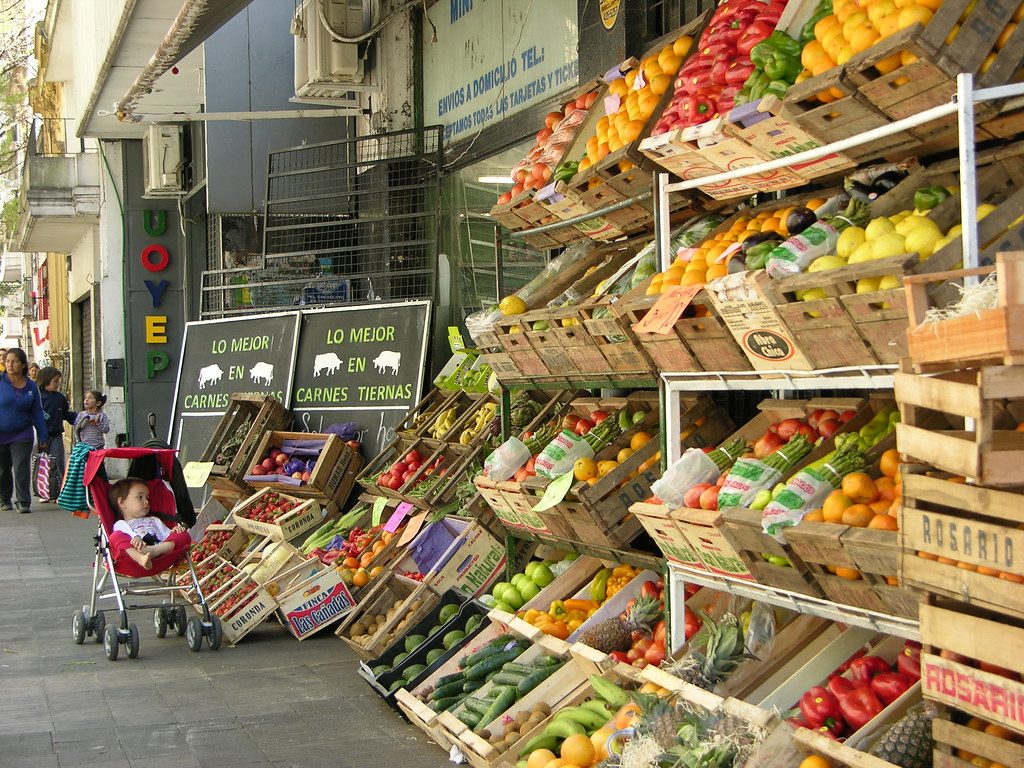
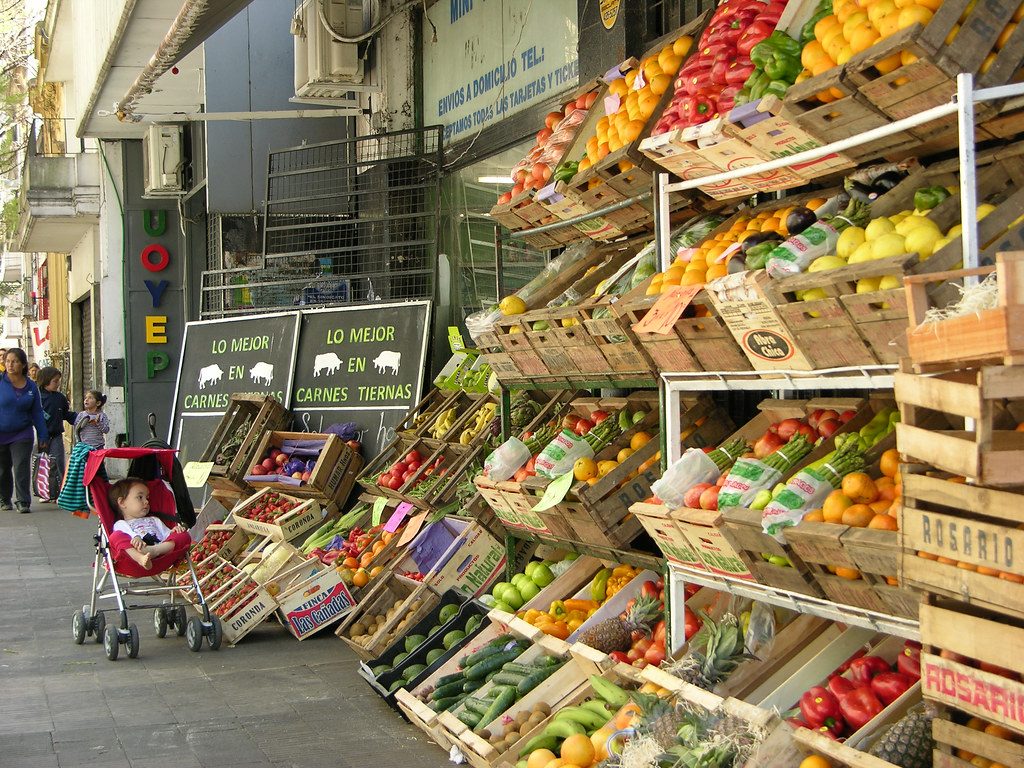
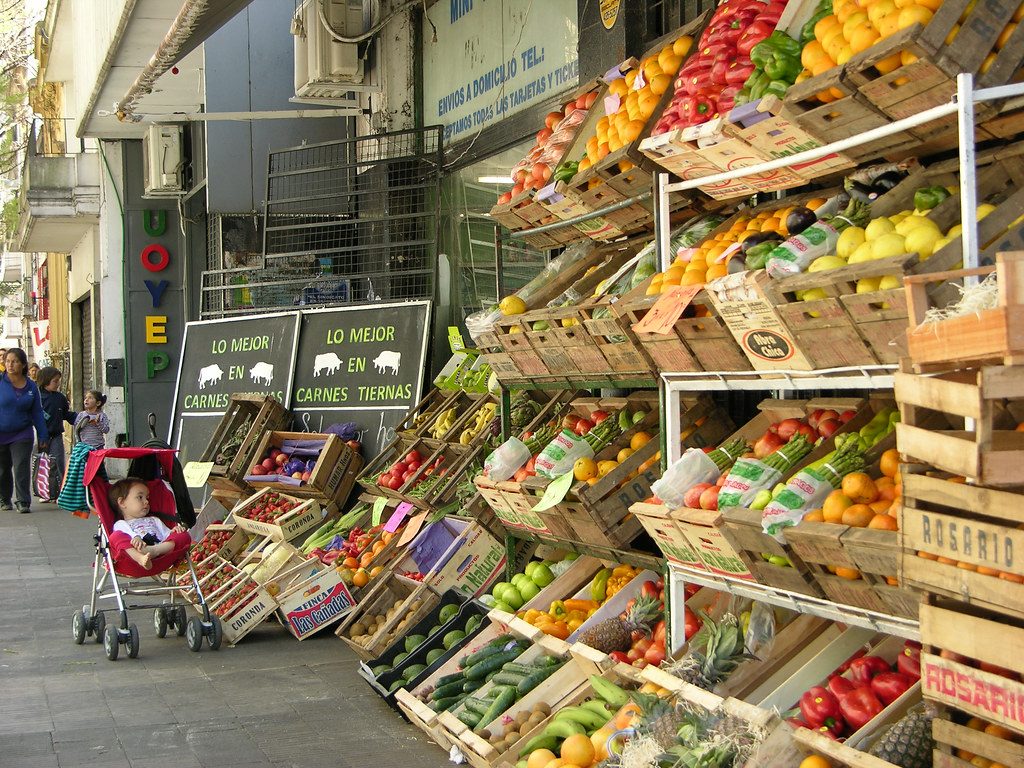
Image credit: Market by Mike Knell via flickr (BY-SA 2.0), sourced through Openverse.
Written by
Sneha Pandey
Digital marketing strategist focused on WhatsApp Business API, bulk SMS campaigns, and growth hacking for Indian SMBs. Sneha has helped companies achieve 3x customer engagement through conversational commerce.
Looking for a technology partner?
From IT consulting to virtual office to custom software — eDarpan can help.
Continue reading
WhatsApp Business API Pricing Changes 2026: What SMBs Pay Now
WhatsApp's shift to per-message pricing in 2026 could raise your bill 30-50%. Here's what SMBs really pay and how to cut costs by 40%.
AI Advertising Tools for Indian SMBs 2026: What Actually Works
AI advertising tools for small business India can cut ad costs by 22%—but only if set up right. Real client examples, ROI, and mistakes to avoid in 2026.
WhatsApp Marketing ROI 2026: What Indian SMBs Actually Earn
Real 2026 numbers on WhatsApp marketing ROI for Indian SMBs: message costs, conversion benchmarks, and a worked example to estimate returns before you spend.